







Introduction:Recently, NetEase and Nestlé were embroiled in a dispute over a second-hand ice machine from Tencent. NetEase accused Nestlé of concealing the origin of the equipment and potentially violating food safety regulations, promptly reporting the issue to the relevant authorities. Nestlé responded by stating that it did not provide the device. This incident not only involves a corporate dispute but also touches on the safety concerns of reusing food equipment. This article details the sequence of events, the positions of both parties, and provides key points to note regarding the food safety of ice machines.
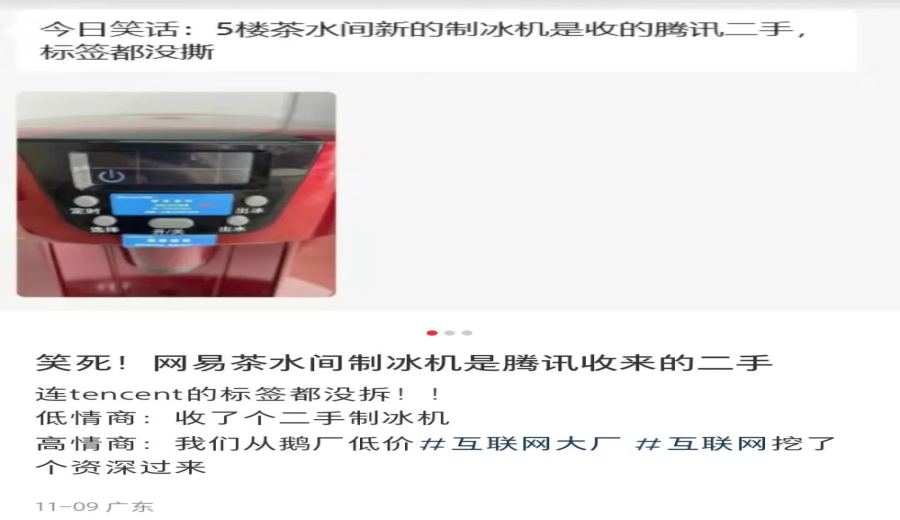
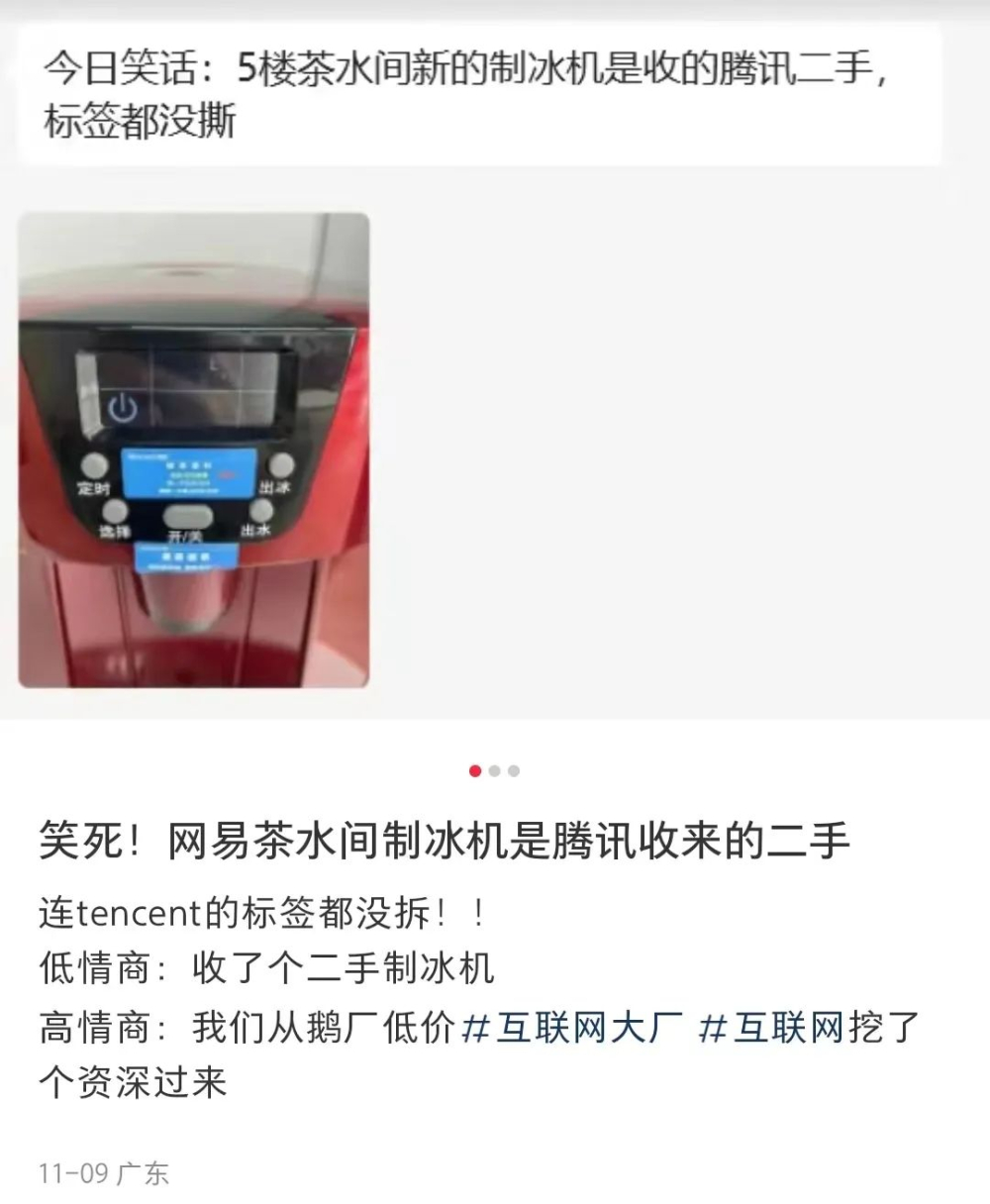
Recently, a dispute broke out between NetEase and Nestlé over a second-hand ice machine. It was discovered that an old ice machine originally belonging to Tencent was being used in the pantry of NetEase, with the Tencent logo still visibly attached to the machine. NetEase officially confirmed that the ice machine originated from Tencent and accused Nestlé of concealing the source of the equipment during the transaction, allegedly engaging in illegal resale and possibly violating food safety laws. As the situation escalated, NetEase even filed a report with the State Administration for Market Regulation, prompting an investigation into the actions of Nestlé and its agency companies.
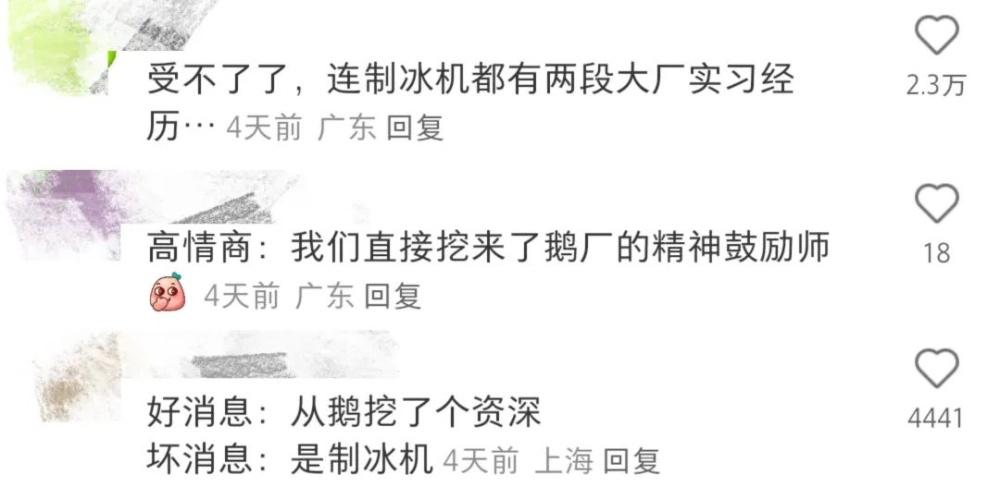
The incident began when a netizen posted on a social media platform, revealing that the ice machine in NetEase’s office was actually “retired” from Tencent, and that the Tencent label was still clearly visible on the exterior. The post quickly sparked widespread discussion, with many netizens—especially employees from other major tech companies—humorously commenting on this corporate “equipment dispute.” Some even joked: “The good news is that we’ve recruited a seasoned professional; the bad news is it’s just an ice machine.”
Even more dramatically, internal NetEase employees also commented in related discussion threads, mentioning that along with the ice machine, the company’s coffee machine had also been removed, leaving many employees shocked and exasperated. Some employees directly approached the company for clarification, questioning whether “enemy equipment” had indeed been mixed in, and urged the company to swiftly uncover the truth.
In response to public attention, NetEase’s recruitment department issued an official statement on November 10, explaining the course of events. According to the statement, the ice machine did indeed come from a second-hand device originally used at Tencent. After receiving feedback from employees, NetEase quickly sealed and tested the related ice machine as well as the Nestlé coffee beans and milk powder used with it. More importantly, NetEase pointed out that Nestlé, as the agent for the equipment, was suspected of concealing the second-hand status of the ice machine and may have been involved in illegal resale.
Generally speaking, since ice machines are directly involved in producing edible ice, they are considered part of food processing tools. According to national food safety standards, such equipment must meet hygiene requirements and undergo necessary testing procedures to ensure compliance with safety standards set by the state and health authorities. As the agent for the device, Nestlé should bear corresponding responsibility for the origin, cleanliness, and safety of the equipment.
According to a report by Shanghai Securities News, after confirming the equipment issue, NetEase formally submitted a letter of complaint to the State Administration for Market Regulation, accusing Nestlé and its agency companies of multiple problems in the process of providing the second-hand ice machine, including unclear origin, lack of proper cleaning, and transportation of the bare machine, all of which may violate national production and sales regulations for food processing equipment. NetEase further stated that throughout the process, Nestlé failed to ensure that the equipment met basic transportation and food safety requirements, increasing the risk of spreading bacteria and harmful substances, and neglected its legal obligations as a food business operator.
Nestlé, on the other hand, issued a response on November 14, denying any connection to the ice machine. According to the statement from Nestlé China, after noticing the related media reports, they immediately launched an internal investigation. Preliminary findings confirmed that the ice machine mentioned in the incident was neither produced nor provided by the company. This twist has made the whole affair even more perplexing and has led the public to wonder which link went wrong.
Food safety experts point out that the use of second-hand food processing equipment must go through rigorous cleaning, disinfection, and testing procedures. Especially for machines like ice machines that come into direct contact with edible ice, it is essential to ensure there is no contamination risk in components such as internal pipelines and ice storage tanks. It is generally recommended that when purchasing or receiving second-hand equipment, one should request complete cleaning records and testing certificates, and conduct on-site inspections whenever possible to reduce potential food safety hazards.
This ice machine controversy between NetEase and Nestlé not only highlights management loopholes in the circulation of equipment between enterprises, but also reminds the public once again that the secondary use of food-related equipment requires extra caution. In the future, how to balance efficiency and safety in the transfer of corporate assets will become an important issue for the industry.
The above content is compiled by CoffeeHunters, a coffee news website.


