








Introduction:During the pandemic, a Korean variety show popularized a type of whipped coffee that requires hundreds of manual strokes — what seemed like a Korean innovation actually originated from a tea stall in Macau called Hon Kee. This article takes you through the origin story of this coffee, breaks down the 1:1:1 instant coffee formula and the science behind the 400-stroke hand-whipping technique, and provides detailed steps to recreate it using freshly ground espresso and an electric milk frother, so you can make silky-smooth coffee foam at home with ease.
This coffee, which requires constant stirring for hundreds of times, went viral thanks to the Korean variety show “Newly Launched Convenience Restaurant.” During the stay-at-home pandemic period, many Koreans followed the show to make it themselves, sparking a check-in trend on social media. Many assumed it was an original Korean drink, but its inspiration actually came from a hidden tea stall in an old district of Macau — Hon Kee Tea Stall, tucked away inside an abandoned shipyard.
The owner of Hon Kee Tea Stall came up with a unique way to manually whip coffee foam: by mixing instant coffee powder, hot water, and sugar in a ratio of1:1:1, then stirring vigorously with a spoon for about 400 rotations to create a fine, velvety coffee foam. This purely handcrafted technique unexpectedly shares lineage with Chaoshan-style hand-chopped beef balls and Cantonese-style hand-shaken lemon tea, showcasing Chinese dedication to “handmade” traditions.
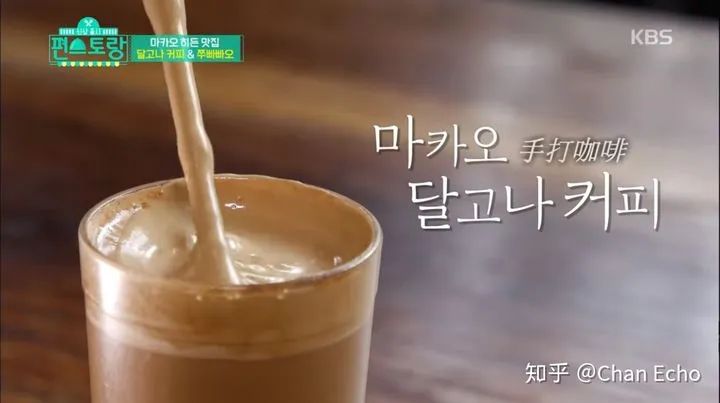
The key to transforming this coffee from liquid into a silky foam lies in the compounds in instant coffee bonding with sugar — through repeated stirring, they trap a large number of tiny air bubbles, forming a cotton-like delicate texture. The principle is similar to that of frothing fresh milk, so it’s not only applicable to instant coffee, but can also be adapted to espresso, mocha, and other bases, allowing coffee lovers to get creative with whatever ingredients they have on hand.
As Korean netizens shared creative variations on Instagram, the trend made its way back to Chinese-speaking communities. But methods vary slightly across regions — some versions, for instance, use freshly ground coffee and milk frothers instead. Whether you want to try the classic version or upgrade to a more convenient modern method, here's a detailed guide to making it.
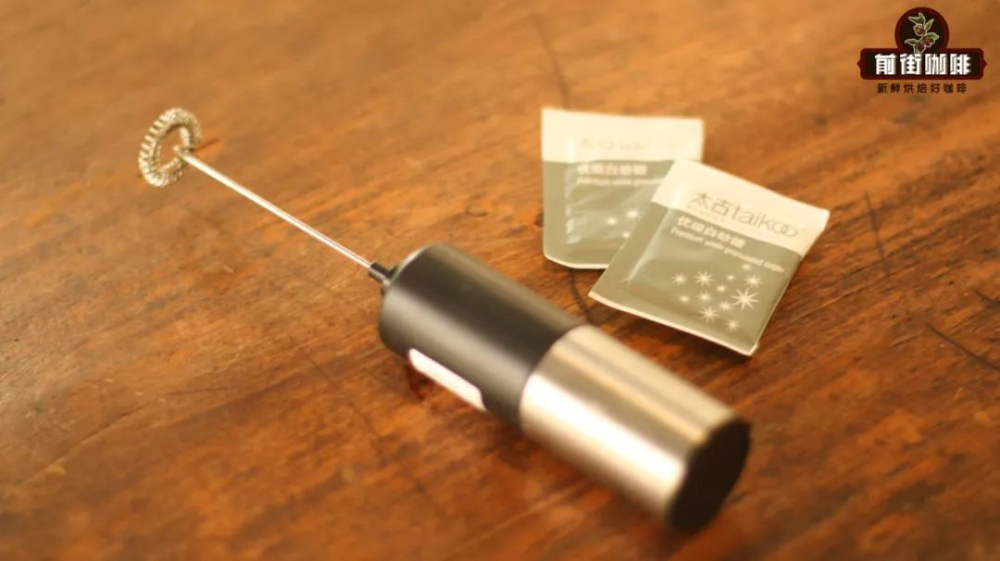
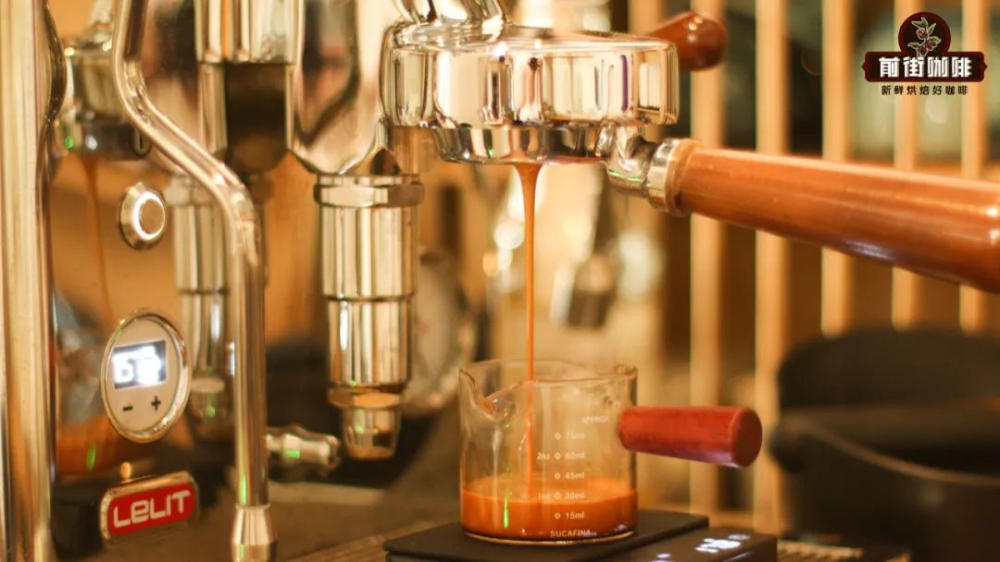
If you prefer the rich aroma of freshly ground coffee, it’s recommended to use espresso as the base. In addition to regular coffee beans and a grinder, you’ll also need sugar (which can be substituted with flavored sugars such as caramel or vanilla), and an electric milk frother (if you want to challenge yourself with pure hand-whipping, find a friend willing to help). Some shops have demonstrated using20 grams of coffee beansto extract about 40 ml of espresso as a starting point.

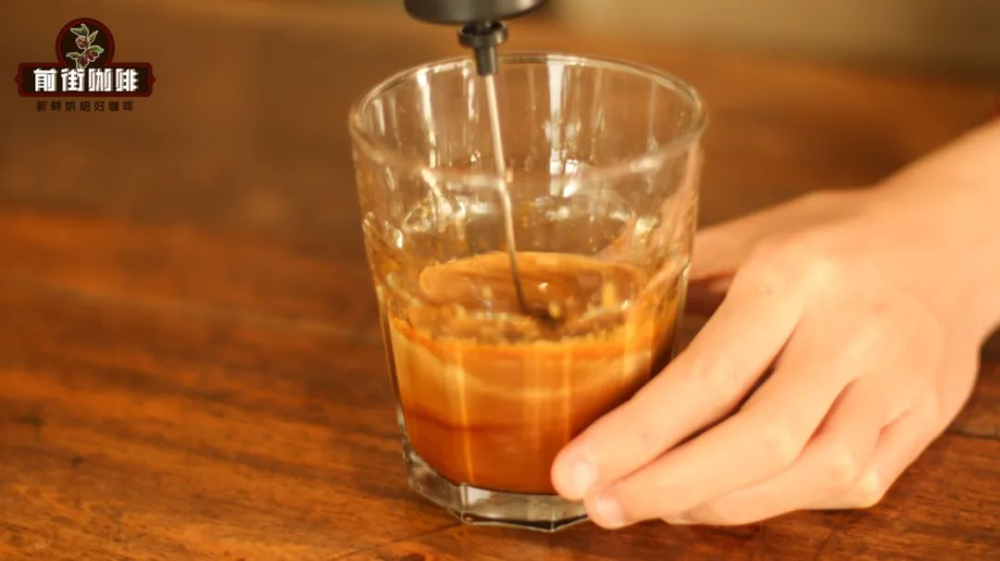
Pour the extracted espresso together with10 grams of sugarinto a cup and mix (this sweetness level is already quite high, so feel free to reduce to taste). If using an electric milk frother, start it and continue stirring the coffee mixture until it gradually turns into a smooth, fine, and moldable “creamy” texture — that’s when you know the whipping has reached the ideal state.
The finished coffee foam should be as smooth as silk, and at this point you can directly pour in about200 ml of hot milk, gently stirring to blend the milk and foam. If you’d like to maintain a layered look, you can also guide the milk to flow slowly into the cup with a spoon, letting the coffee foam float on top. When drinking, stir to your liking.
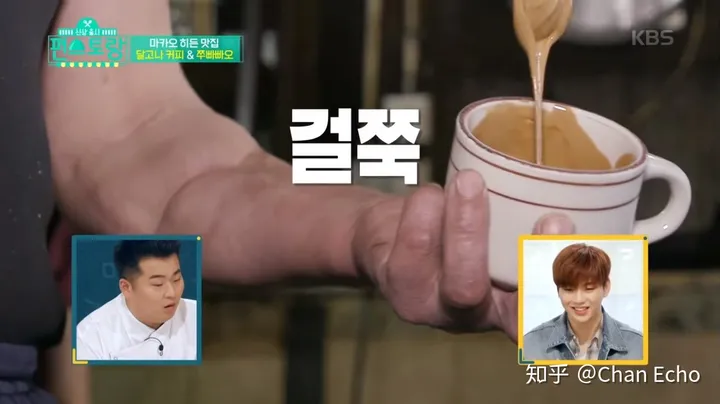
When tasting, it’s recommended to slightly mix the milk with the foam on top using a spoon to avoid the foam being overly sweet and cloying if consumed alone. The final product has a silky texture and a rich, sweet flavor — similar to a concentrated version of a sweet latte — perfect for those who enjoy a balance between milk and coffee. This method is simple to execute, requires no expensive equipment, and can be easily recreated at home.
From a spontaneous creation in a Macau shipyard to a nationwide DIY craze during the Korean pandemic, this 400-stroke coffee not only carries the charm of cultural heritage, but also showcases the limitless possibilities of coffee creativity. Whether you choose to take on the hand-whipping challenge, use electric assistance, or switch to a freshly ground base, you can experience the uniquely silky allure of coffee foam.
The above content is compiled by CoffeeHunters, a coffee news website.


