







Introduction:Many coffee enthusiasts have heard that freezing coffee beans can preserve their flavor, but is the effect really as magical as rumored? This article delves into the true impact of freezing on coffee bean flavor, analyzes the science behind how it extends shelf life, and reveals why frozen beans grind more evenly. It also provides practical tips and precautions to help you store coffee beans more scientifically and avoid common mistakes.
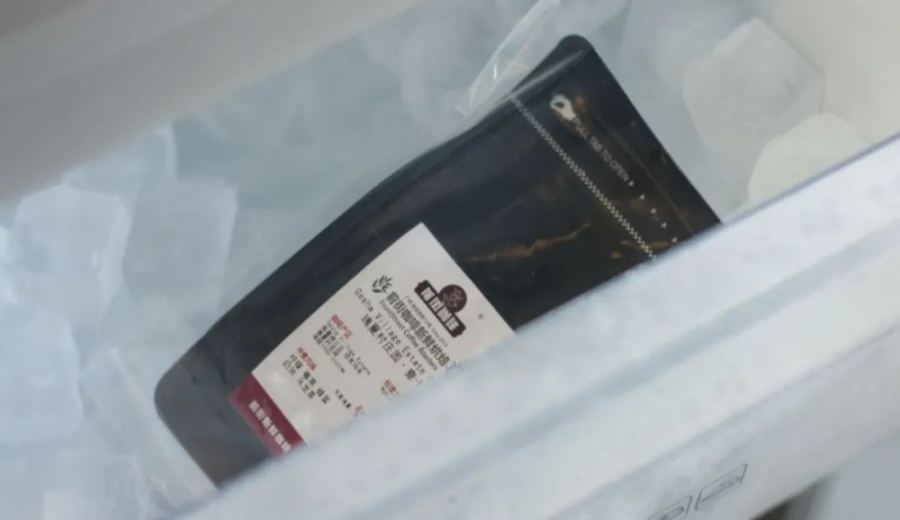
In recent years, the claim that storing coffee beans in the freezer can extend their flavor preservation period has sparked curiosity and experimentation among many coffee lovers. So, can freezing truly lock in the essence of coffee beans, keeping them at their best for an extended period? In reality, freezing does help slow down oxidation and thus delay flavor loss, but it also comes with numerous operational challenges and limitations.
Generally, freshly roasted coffee beans enter their peak flavor period around the fourth day and maintain this state for roughly up to the 30th day. During this time, the aromatic compounds in the coffee are most active, delivering a rich and layered taste when brewed. However, once this golden period passes, the aroma and flavor often gradually diminish, with originally bold flavors turning bland. As a result, when purchasing more coffee beans than can be consumed in a short time, many people turn to methods like freezing to try to "extend the shelf life" of the beans.
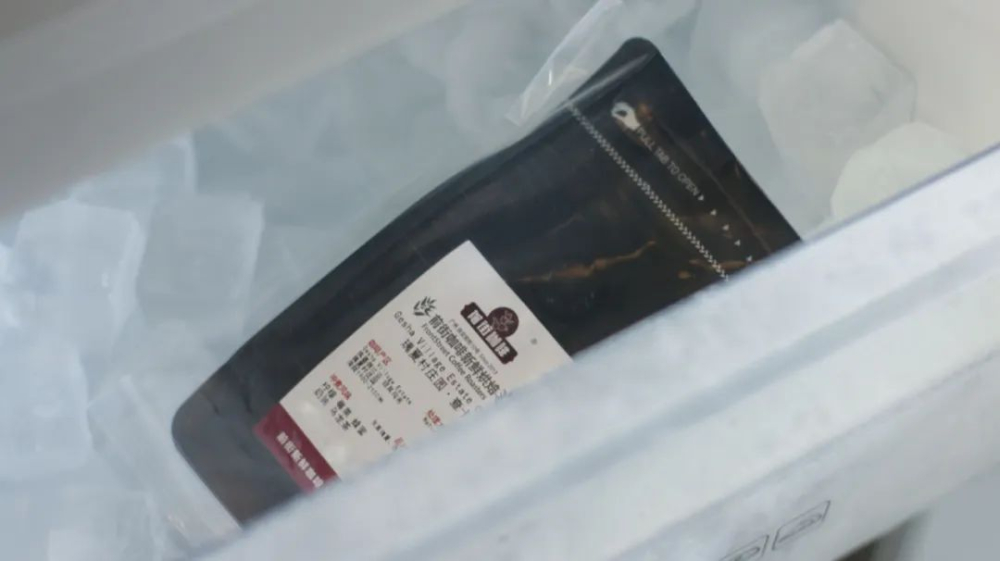
The reason freezing is believed to effectively "preserve freshness" lies in the principle that low temperatures significantly inhibit oxidation and internal metabolic activity in coffee beans, thereby slowing the rate of flavor loss. According to some studies and practical testing data, properly frozen coffee beans can have their optimal flavor period extended to 2 to 3 months. However, it’s important to note that this "extension" doesn’t mean the beans will remain as fresh as newly roasted. In practice, even when frozen, the brewed coffee may still show some differences in flavor detail and layering compared to beans within the optimal period.
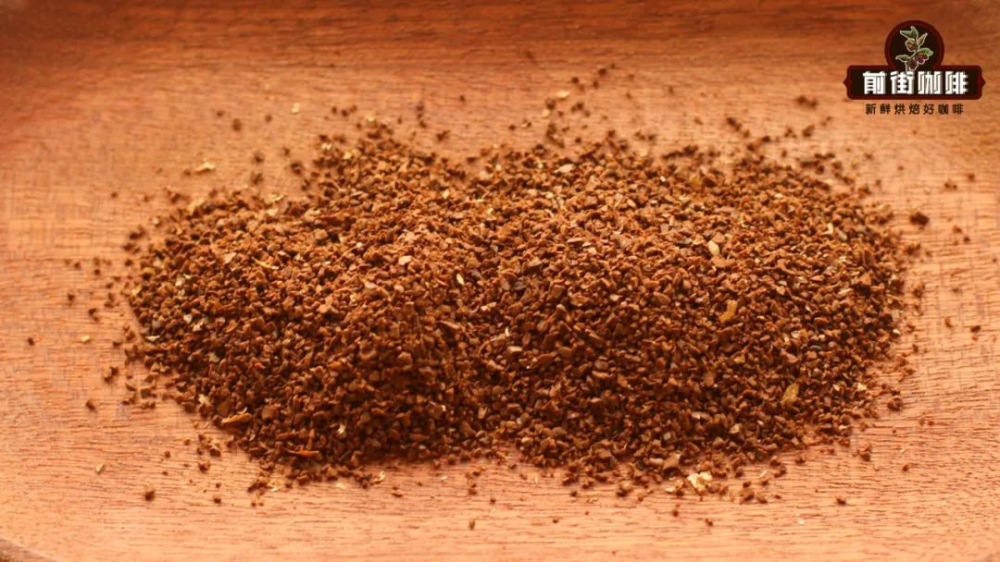
Additionally, one practical advantage of frozen storage is that it allows for more uniform particle size when grinding the beans. Because the low temperature makes the bean structure more brittle, and the internal moisture and oils are in a relatively solidified state, these physical characteristics help reduce the production of fine particles during grinding, resulting in a more consistent grind.
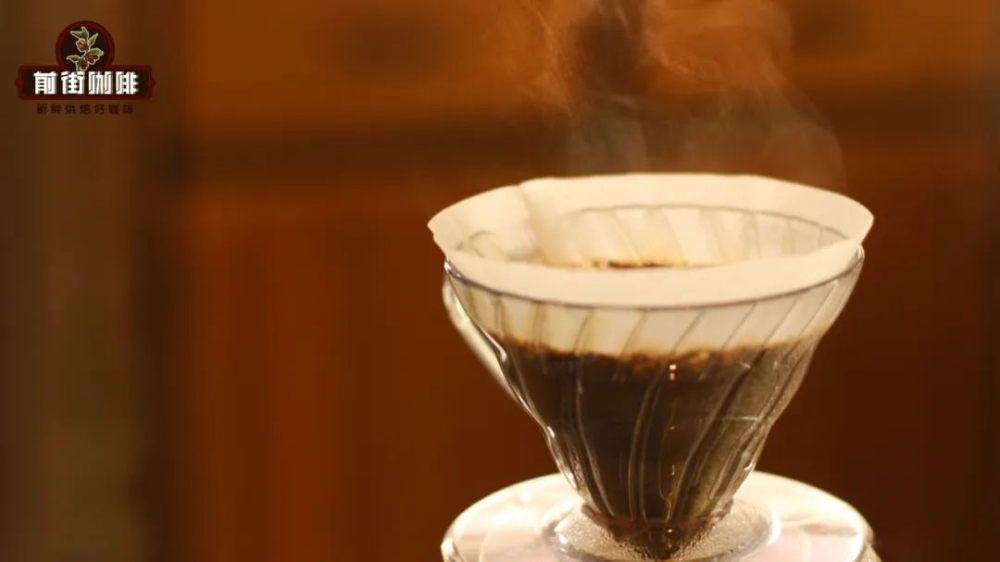
However, this advantage is often difficult to fully realize in daily use due to the many variables and tedious operational details involved in frozen storage. For example, if beans taken out of the freezer aren’t handled promptly, condensation can quickly form on their surface due to the temperature difference between inside and outside, which not only affects grinding efficiency and quality but may also interfere with subsequent extraction and even cause additional wear on the grinder. Therefore, if choosing this method, it’s recommended to complete the entire process—from taking out the beans, quickly grinding them, to finishing the brew—within 1 minute, which is quite challenging in practice.
Another critical factor that shouldn’t be overlooked is adjusting brewing parameters. Because frozen beans are at a lower temperature, maintaining the original extraction settings can easily lead to under-extraction, affecting the overall flavor performance of the coffee. Common strategies include slightly increasing the water temperature or adjusting the grind size to a finer setting to enhance extraction. But these fine-tunings need to be flexibly applied based on actual conditions and are not one-size-fits-all.
In practical operation, there are also some key details to pay special attention to. First, frozen coffee beans must be tightly sealed, with vacuum-sealed packaging being the preferred option to prevent odors from other foods in the fridge from seeping into the bean bag. If sealing is improper, the beans will still undergo slight "respiration" in the low-temperature environment, and once they absorb foreign odors, the brewed coffee may end up with an indescribable strange taste, sometimes jokingly referred to as having a "fridge honey-processed" flavor, which is often disappointing in reality.

Another important principle for frozen coffee beans is "only thaw once." Once the beans are taken out of the frozen state and allowed to return to room temperature, they should not be refrozen. Therefore, it’s recommended to pre-portion the beans according to each brew’s required amount, sealing each portion individually before freezing. This approach not only avoids the negative impact of repeated thawing and refreezing on bean quality but also ensures that each use involves beans in a relatively stable state.
Overall, while frozen storage can indeed extend the flavor shelf life of coffee beans to some extent and offers the added benefit of more uniform grinding, its operational threshold and potential risks should not be ignored. For most consumers, unless necessary, it’s better to purchase beans in amounts that match actual consumption and prioritize freshly roasted beans to achieve the best flavor experience. If the quantity of beans is truly excessive, other more stable storage strategies at room temperature or in the refrigerator can also be considered to further extend their shelf life and flavor performance.
In summary, frozen storage is not a panacea but a method that requires careful operation and a full understanding of its principles to unlock its potential advantages. We hope the analysis and suggestions in this article can help you make wiser choices when storing coffee beans and enjoy every cup of coffee at its best flavor.
The above content is compiled by CoffeeHunters, a coffee news website.


