







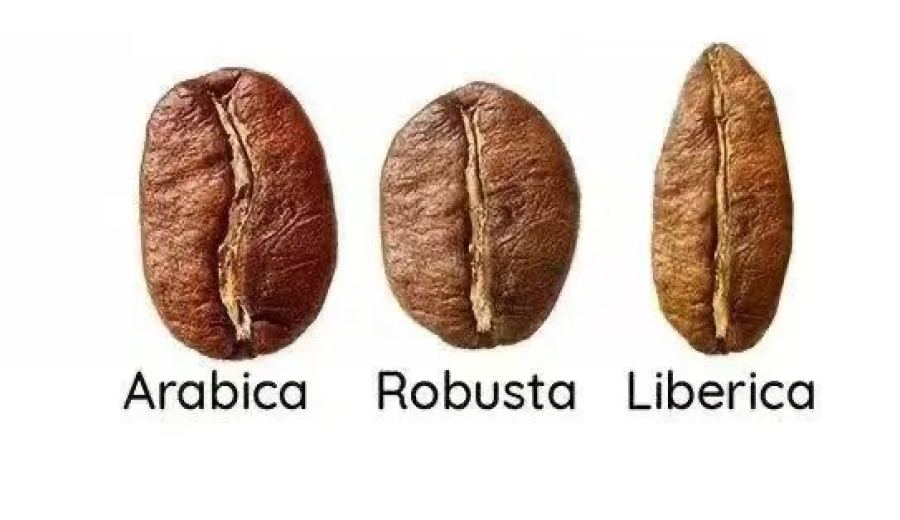
Introduction:Liberica coffee is hailed as the "large-bean variety," originating from Liberia in Africa. It boasts a unique, bold smoky flavor but has long been overlooked by the market due to its low caffeine content and distinctive taste. However, it has successfully taken root in the Philippines and has even become one of the country’s most representative coffee varieties. This article will take you through the origins and characteristics of Liberica, analyze why it has thrived in the Philippines, and explore whether it has the potential to step into the world of specialty coffee.
Liberica (Liberica), also known as the "large-bean variety" of coffee, is a coffee species originating from Liberia, Africa. It is renowned for its exceptionally large bean size and unique flavor profile. Compared to the more common Arabica and Robusta, Liberica contains significantly less caffeine, and its flavor is dominated by intense smokiness, earthy, and woody notes—sometimes even described as "liquid tobacco," with a hint of dullness and ruggedness. Precisely because of these traits, it is not favored in the mainstream commercial market, finding survival and development only in the Philippines.
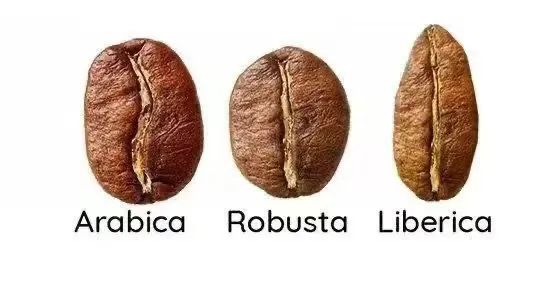
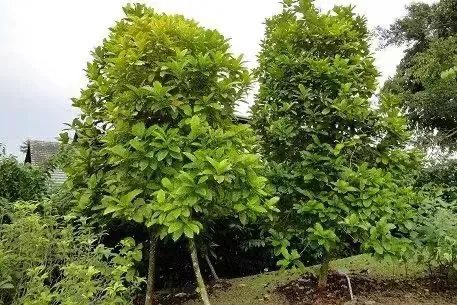
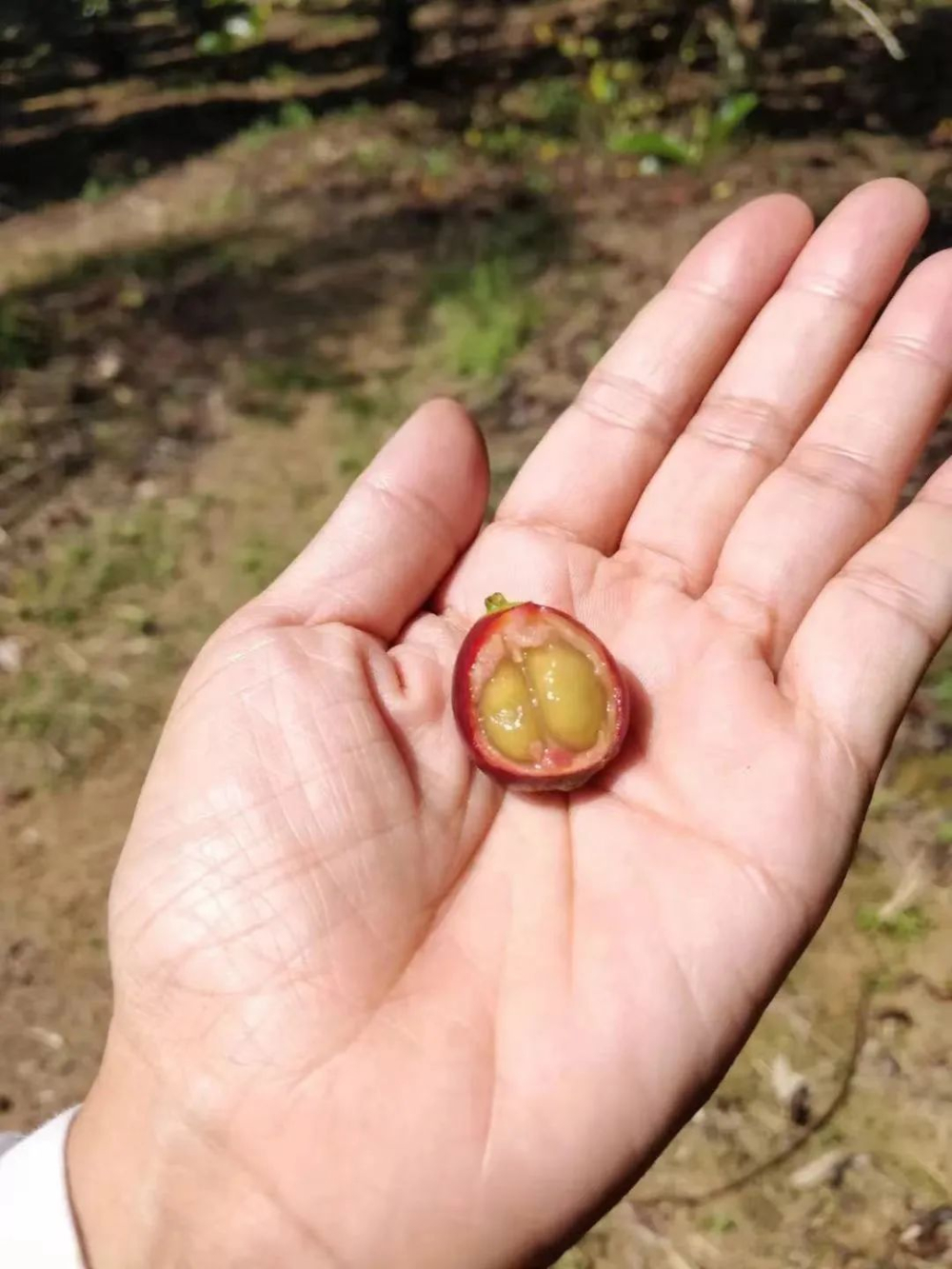
Liberica was first discovered in the small West African country of Liberia, hence its name. This coffee tree can grow to heights of 6 to 20 meters, much taller than typical coffee trees, and produces beans that are noticeably larger than those of Arabica and Robusta, which is why it is called the "large-bean variety." Interestingly, although Liberica’s appearance and size are similar to Robusta, its caffeine content is only about 1%, lower than Robusta’s 2% to 4% and also lower than Arabica’s 1.2%.
Such caffeine performance means Liberica is not particularly effective as a stimulant, and its flavor profile is also far from what most consumers prefer. Common descriptors include a strong smoky taste, along with earthy and woody notes that some tasters consider negative. Overall, it presents a rather rugged or even wild character, leading locals in the Philippines to humorously call it "tough-guy coffee."
Although Liberica has its uniqueness, its tree height and harvesting difficulty limit its cultivation range. Generally speaking, Liberica is not widely planted, and the Philippines is one of the few countries that has actively developed this variety. However, even though the Philippines is the main producer of Liberica, due to high domestic coffee consumption demand, locally grown Liberica is rarely exported, making it extremely rare in the international market.
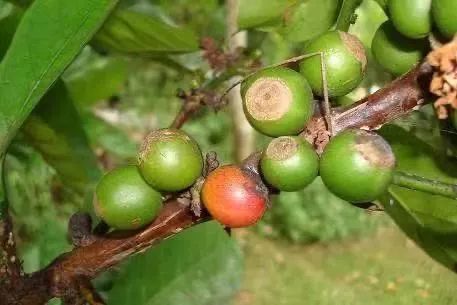
Looking back at the history of coffee development in the Philippines helps us understand why Liberica has gained a foothold there. As early as 1740, the Philippines began importing and cultivating Arabica coffee, and at one point in the late 19th century, it became the world’s fourth-largest coffee producer. However, in 1889, a widespread outbreak of coffee leaf rust severely damaged the country’s coffee-growing regions. Struck by both disease and pests, Philippine coffee production plummeted by 80% within just two years. Many farmers turned to other cash crops, causing the coffee industry to lie dormant for half a century.
It wasn’t until the 1950s that the Philippine government launched a five-year coffee industry revitalization plan, introducing more disease-resistant Robusta and Liberica varieties from abroad, which gradually revived coffee cultivation. By 1962, the Philippines had finally achieved coffee self-sufficiency and no longer relied on imports. During this process, the demand for local coffee beans from instant coffee factories played a key role in stabilizing Liberica cultivation. Although Robusta remained the dominant variety, Liberica carved out a niche in the market thanks to its unique flavor and adaptability, eventually becoming the country’s most iconic coffee variety.
To this day, the Philippines is one of the few countries in the world that still cultivates Liberica on a large scale, thus playing a pivotal role in the global presence of this variety. However, due to its low acceptance in the mainstream market, its development still faces challenges. Observers have noted that if it can draw lessons from Robusta’s cultivation and processing models—through refined processing and quality control—Liberica may also have the potential to enter the realm of specialty coffee in the future, carving out its own unique flavor market.
The above content is compiled by CoffeeHunters, a coffee news website.


