







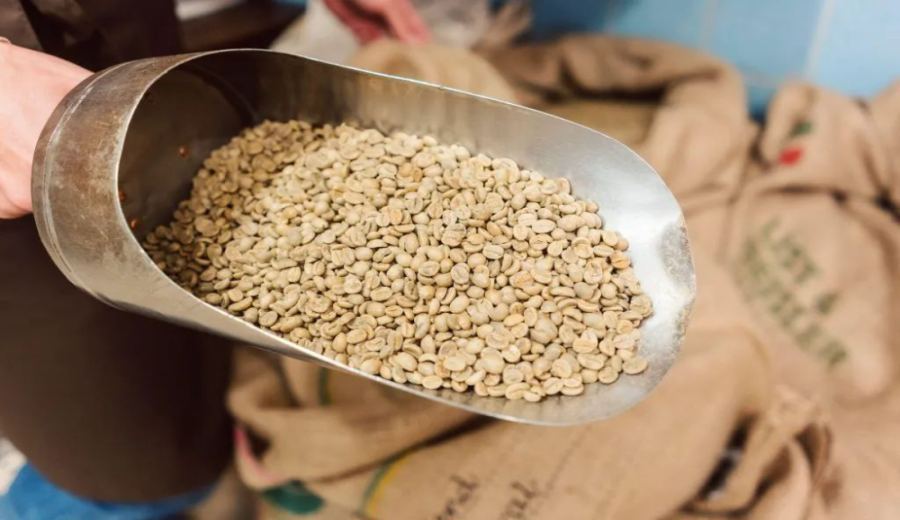
Introduction:The global certified inventory of Arabica green coffee beans has dropped to its lowest level in 24 years, with only 368,000 bags remaining — nearly one-third of which have been stored for over a year, turning them into stale beans that negatively affect flavor. This inventory crisis not only increases market volatility risks but also poses raw material shortages for roasters. What are the factors behind this situation? And what impact will it have on future coffee prices? This article delves into an in-depth analysis.
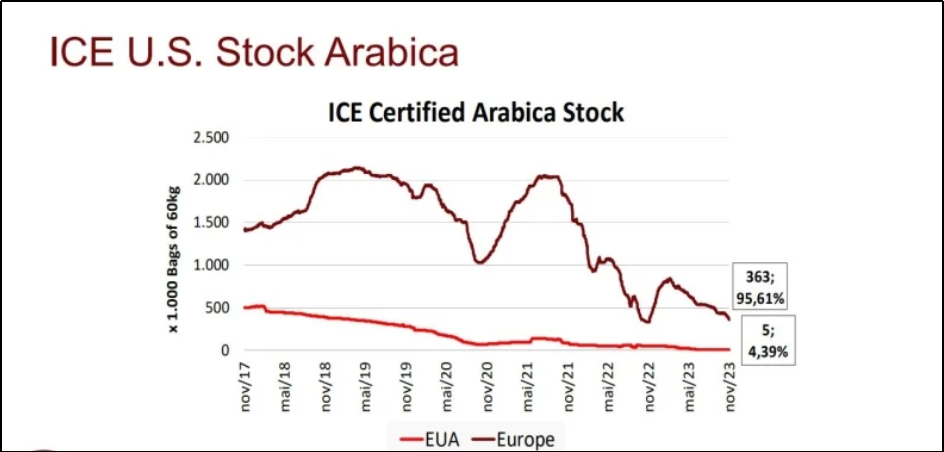
The certified inventory of Arabica green coffee beans on the Intercontinental Exchange (ICE) has fallen to its lowest level in 24 years, totaling just 368,000 bags — each weighing approximately 60 kilograms. This inventory level not only hits a long-term low but also raises significant concerns about future supply stability and price trends.
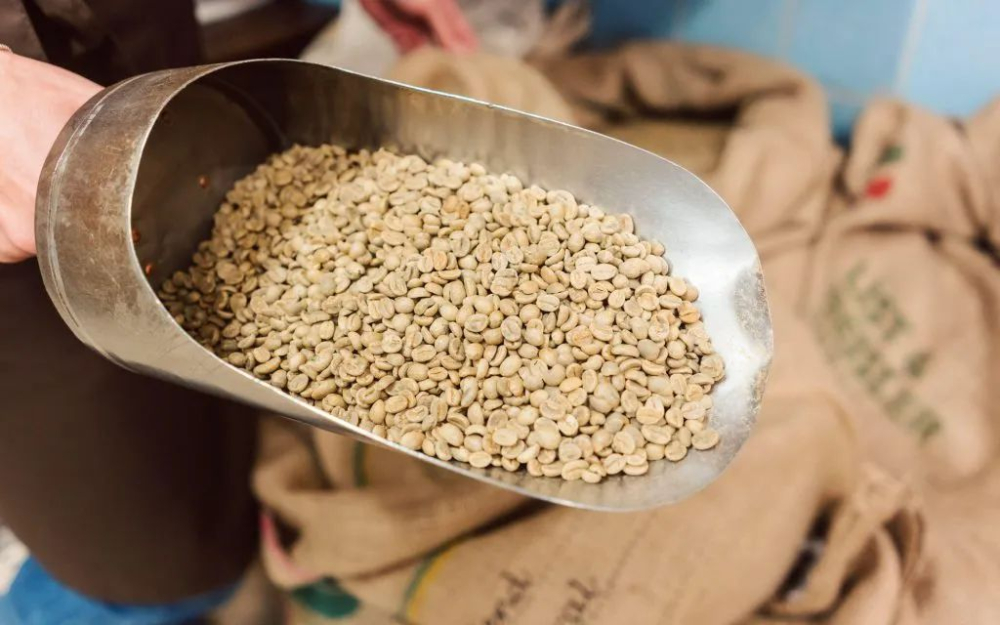
Notably, among the dwindling stock, as much as nearly one-third — around 118,000 bags — has been stored in delivery warehouses for more than a year. Of these, up to 68,000 bags have been kept even longer, surpassing the freshness window suitable for roasting and thus classified as stale beans, which significantly impact the final coffee flavor.
Data shows that as early as October 2023, the ICE Intercontinental Exchange’s inventory of Arabica green beans plummeted by 61,912 bags in a single month, while the inventory of Robusta green beans in the European market also decreased by 4,050 bags, continuing an overall downward trend. Since 2017, the curve of such certified inventory changes has been steadily declining, reflecting an extremely tight supply-demand balance in the market.
One of the main reasons behind this inventory crisis is that the spot market price of coffee is higher than the futures market's “C-price.” In other words, many roasters find it more cost-effective to purchase directly from exchange inventories rather than through traditional sourcing channels. As a result, they are bypassing conventional suppliers and obtaining beans from ICE’s certified stock. However, such actions accelerate inventory depletion without corresponding replenishment.
An even more pressing issue is that there are currently no beans awaiting certification in the exchange, meaning that inventory is unlikely to recover in the short term. Among the major players, Brazil — the world’s largest exporter of Arabica coffee — faces severe port congestion, which has become a key bottleneck affecting the global supply chain.
Due to record-high agricultural exports from Brazil, the availability of trucks and containers for transportation has dropped drastically. As a result, large quantities of green coffee beans are stuck at ports, unable to be shipped out promptly. This logistical bottleneck not only delays the replenishment of fresh beans but has also led to a short-term rebound in Arabica coffee futures prices — a trend likely to continue until port operations return to normal.
Experts point out that the current coexistence of low inventory and high levels of stale beans, coupled with uncertainties in the global economy and financial markets, suggests that coffee bean prices will continue to experience significant fluctuations in the medium term. This will pose both cost and flavor challenges for coffee roasters, retailers, and even consumers.
Faced with such a market environment, many businesses are beginning to reassess their procurement strategies and place greater emphasis on inventory management and flavor consistency. For consumers, understanding the roast date and storage conditions of coffee beans can help ensure they enjoy the best possible flavor.
In summary, the phenomenon of ICE’s certified inventory hitting a 24-year low and nearly 30% of green beans becoming stale is not just a change in numbers — it reflects the fragility and challenges within the global coffee supply chain. How the market will evolve in the future is something all coffee enthusiasts should continue to watch closely.
The above content is compiled by CoffeeHunters, a coffee news website.


