







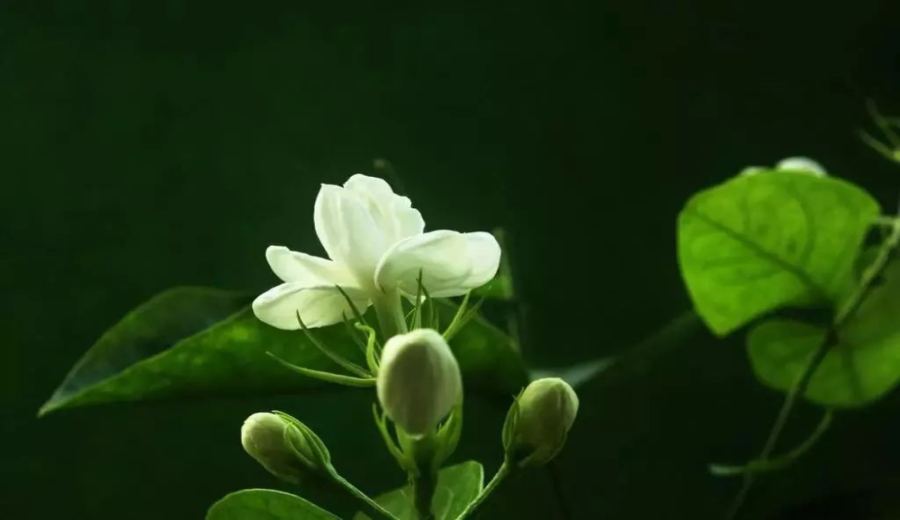
Introduction:Infusing the delicate fragrance of jasmine into the world of coffee can create a unique floral flavor profile. This article delves into the techniques for pairing jasmine with three types of coffee preparations—milk coffee, cold brew, and pour over. From bean selection and ratio adjustments to extraction steps, it provides comprehensive practical parameters and flavor analyses to help coffee enthusiasts easily recreate these inspired creative beverages.
Jasmine is renowned for its light and enchanting aroma, which naturally complements the floral notes in coffee. Through skillful combination, it can offer a multi-layered sensory experience. This article will guide readers through the diverse pairings of jasmine with three common coffee forms—milk coffee, cold brew, and pour over—and detail the practical steps, key parameters, and flavor characteristics of each method, offering immediately applicable creative inspiration.
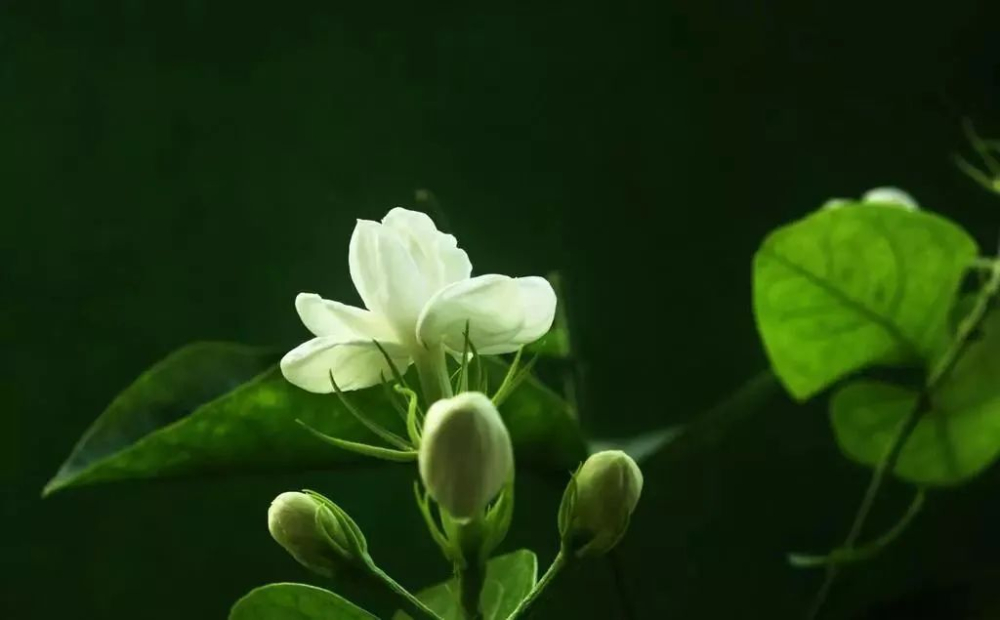
Jasmine possesses a sweetness akin to roses, the elegance of magnolia, and the purity of camellia, emitting a comforting fragrance when in bloom. In the world of coffee, many varieties also exhibit floral notes reminiscent of jasmine, such as the classic washed Yirgacheffe or the high-end aromatic Jade Green Label Geisha. These beans’ natural fresh floral aromas add distinctive charm to coffee beverages.
Therefore, many have begun to wonder: what kind of chemical reaction would occur if real jasmine were combined with coffee? The following introduces three practical and flavorfully outstanding combination methods.
Jasmine Milk Coffee Chapter
The types of milk coffee that pair well with jasmine are diverse, including latte, cappuccino, flat white, and piccolo. Among them, the flat white, with its thinner layer of milk foam and rich coffee base, better highlights the delicate layers of jasmine floral notes. It is recommended to choose fully bloomed and dried jasmine flower buds, which are not only easier to store but also release a more concentrated aroma and are less likely to produce unpleasant acidity during steeping.
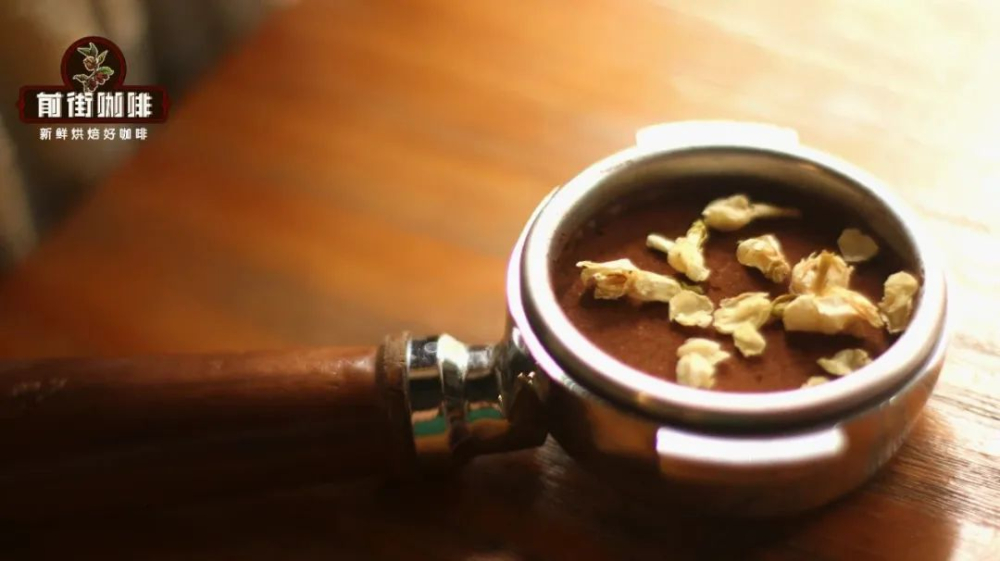
Some coffee enthusiasts might consider adding jasmine directly during the espresso extraction phase, similar to previous methods with osmanthus coffee. However, jasmine petals are noticeably larger than osmanthus, and placing them on the compact coffee puck can lead to uneven puck density, causing channeling effects and resulting in splattering during extraction. Additionally, since espresso extraction typically lasts only 20 to 30 seconds, it’s difficult to fully extract the majority of jasmine’s aroma in such a short time. Therefore, it is more advisable to place the jasmine petals into chilled fresh milk to extract the floral notes via the milk, then mix with the espresso.

In practice, measure 150 milliliters of chilled fresh milk, add 0.8 to 1 gram of well-dried jasmine flower buds, stir to evenly infuse the petals into the milk, then refrigerate and steep for 4 to 5 hours. After steeping, filter out the petals and pour the milk into a pitcher for use. For the espresso, use 20 grams of Warm Sun blend coffee beans, and according to your usual settings, extract a double Ristretto, aiming to obtain 25 grams of espresso liquid within about 22 seconds. Then froth the milk to 50–55°C to form thin microfoam, combine it with the espresso, and perform latte art. Finally, garnish with a few jasmine petals. This jasmine flat white not only has the smooth texture of vanilla-chocolate milk but also carries the unique crystal sugar sweetness and oolong tea undertones of jasmine, with a long-lasting aftertaste. If paired with fruity-flavored beans, the flavor performance may be even more outstanding and is worth further experimentation.
Jasmine Cold Brew Chapter
Compared to espresso-based coffee, making jasmine cold brew at home is simpler. Just select suitable coffee beans, determine the coffee-to-water ratio and grind size, let it steep overnight, filter out the grounds, and then enjoy with ice cubes according to personal taste. Since jasmine tea mainly serves to enhance aroma, its taste is relatively mild, so it is recommended to choose medium to light roasted coffee beans with floral and fruity flavor profiles, allowing the floral notes and fruit acidity to harmonize and develop layers through prolonged steeping.
In terms of bean selection, you can prioritizewashed beanswith bright fruit acidity, such as Kenyan Little Tomatoes, Panamanian Boquete Geisha, or beans from certain cooperatives. If you prefer softer fruit tones, you can also try natural process beans, such as Red Cherry or Huagui. The practical example in this article uses 30 grams of Panamanian natural-process Hua Die (Butterfly), ground to 85% passing through a standard 20-mesh sieve (equivalent to EK43s setting 9.5), with 1.5 grams of jasmine flowers, using a 1:10 coffee-to-water ratio and steeping for 6 to 8 hours. This recipe ultimately delivers a naturally subtle floral aroma and a rounded black tea texture, with a refreshing and layered flavor.
Jasmine Pour Over Chapter
The pour over extraction process takes about 2 minutes. During the repeated flow of hot water through the coffee grounds, adding too many jasmine flowers can cause excessive aroma release due to water agitation, affecting the presentation of the coffee’s inherent flavors. Therefore, it is recommended to mix in only about 5 to 6 jasmine flowers to balance the coffee’s character with the floral accent.
Practical pour over parameters can be set as follows: 15 grams of coffee beans, a 1:15 coffee-to-water ratio, grind size at EK43s setting 10 (equivalent to 80% passing through a Chinese standard 20-mesh sieve), water temperature controlled at 91°C, using a V60 filter cone, and employing a three-stage pouring technique. This combination uses natural-process Hua Die as the base. Upon tasting, you can perceive the vivid juiciness of peaches and citrus, along with a faint dried fruit sweetness, with the subtle fragrance of jasmine weaving through. The overall flavor is like a fruit tea infused with jasmine elements—fresh, captivating, and with a long, lingering aftertaste.
The above content is compiled by CoffeeHunters, a coffee news website.


