








Introduction:What surprises and differences can be expected when brewing the same Jamaican Blue Mountain No. 1 beans using pour over and siphon methods? This article delves into the practical coffee extraction parameters, comparing the key differences between the two methods in terms of grind size, water temperature, brew ratio, and technique, while also presenting sensory evaluations of flavor and mouthfeel nuances to help you understand the unique charm of both siphon and pour over brewing.
While pour over coffee is currently all the rage, the classic siphon brewer has quietly made a comeback to center stage in many cafés. But is its return merely nostalgic, or has it genuinely reclaimed its place in the market through flavor excellence? This article will start with the history of the siphon, tracing its origins in the laboratory, its establishment in Japan, and its temporary decline due to the rise of light roasts in specialty coffee, then move on to a hands-on comparison using the classic Jamaican Blue Mountain No. 1 beans. We’ll explore both pour over and siphon extraction methods in detail, comparing their parameter settings and final flavor performances.
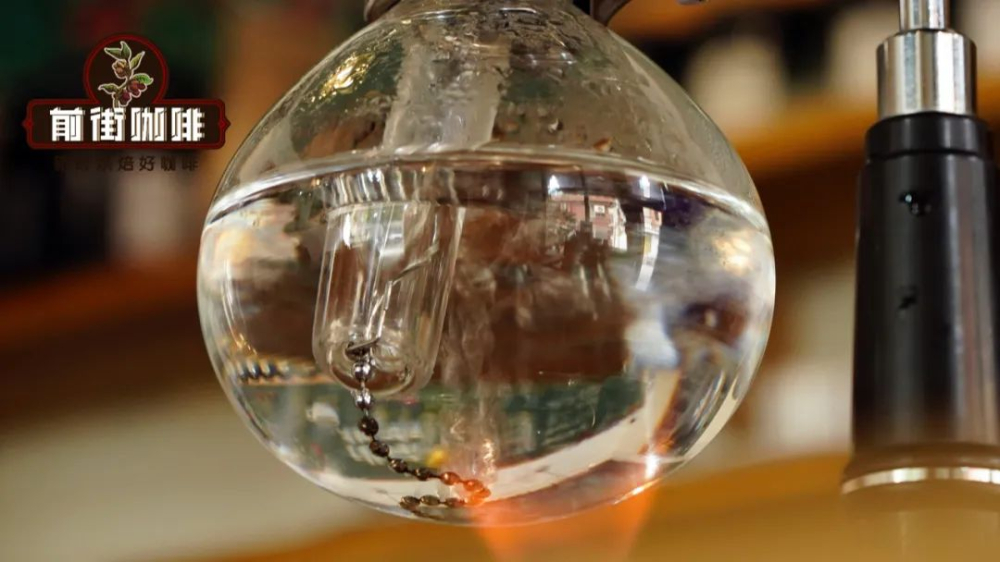
Pour over coffee, with its relatively simple operation and fast brewing rhythm, has become the preferred choice for many coffee enthusiasts. But the return of the siphon raises the question: can it truly showcase unique strengths in terms of flavor? Below, we’ll take you through a real-world case study to deeply understand the fundamental differences between these two brewing methods.
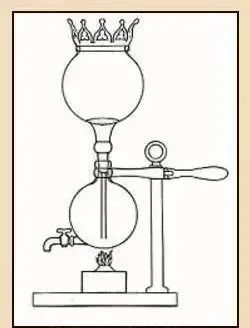
The siphon brewer, also known as the "vacuum pot," has several origin stories, but the most commonly cited one dates back to the 1840s, when the British inventor Loeff, inspired by laboratory glass test tubes, designed an early prototype of a vacuum coffee maker. By 1842, Madame Vassieux of France further improved the design, creating the first upright siphon brewer with an up-and-down convection structure. However, the siphon did not gain widespread popularity in Europe for several decades until it was introduced to Japan, where it truly entered its golden age.
In 1924, the renowned Japanese coffee equipment brand Kono launched a modern version of the upright siphon brewer. Its meticulous craftsmanship and the patience required to operate it resonated perfectly with the Japanese artisan spirit, quickly making the siphon popular locally and gradually influencing regions such as Hong Kong, Taiwan, and mainland China. However, with the rise of specialty coffee culture and the increasing dominance of bright acidity and fruity notes from light roasts, the siphon, which favored darker roasts, gradually faded from the mainstream market, replaced by the more convenient and faster pour over method.
But in recent years, more and more cafés have reintroduced the siphon option, sparking curiosity among consumers: how does the same coffee bean, brewed through these two vastly different methods, result in distinct flavor dialogues? We chose the classic Jamaican Blue Mountain No. 1 beans as our test subject, known for their rich, balanced flavors and an excellent match for dark roasts and siphon brewing.
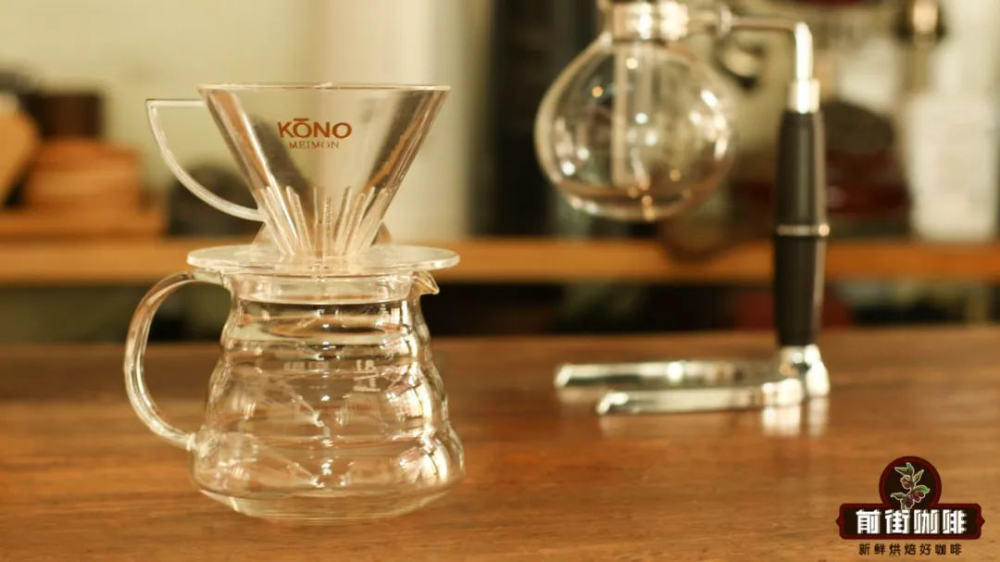
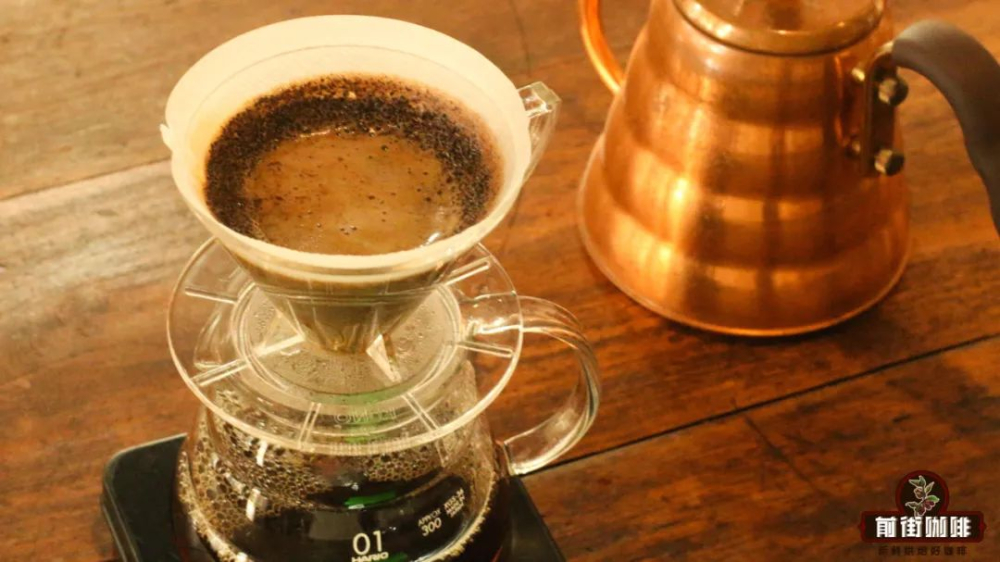
For the pour over portion, the following parameters were used: 20 grams of coffee, a brew ratio of 1:15 (total water volume 300 ml), water temperature controlled at 88°C, using an Ek43 grinder set to a 10.5 setting, paired with a 20-mesh filter with about 75% filtration rate and a Kono filter cone. The extraction was performed using a three-stage method—starting with a 30-second bloom using 40 ml of water (twice the coffee dose), followed by a slow circular pour of 140 ml of hot water. Once the water level dropped, the remaining 120 ml was poured in small circles. The entire process emphasized stable water temperature and precise pour control.
The siphon parameters, on the other hand, were different: also using 20 grams of coffee, but with a brew ratio adjusted to 1:12 (total water volume 240 ml), and a slightly coarser grind—Ek43 set to a 9 setting, with about 90% filtration rate. During the process, once the bottom chamber water was fully drawn up into the top chamber, the coffee grounds were quickly added, and a stirring stick was used to submerge the grounds in the water for a 25-second soak. This was followed by a rapid 7-second stir, then the heat was turned off at the 55-second mark, with a final gentle stir for 5 seconds before letting the coffee liquid naturally flow back down. The overall process emphasized heat control and the rhythm of stirring.
During the tasting phase, the pour over Blue Mountain beans exhibited exceptional balance, with a clear flavor profile dominated by distinct notes of nuts, cream, and chocolate, a long-lasting finish, and excellent body. The siphon version, however, presented a richer layering of chocolate and spice, with equally prominent nutty aromas, a lingering aftertaste, and a more rounded, fuller mouthfeel. While the overall flavor profiles were similar, the siphon version offered a more enveloping and layered taste experience. Both methods demonstrated their own unique strengths in flavor expression.
Overall, the siphon and pour over methods not only differ significantly in operation and extraction principles, but also offer distinct interpretations of coffee flavor and mouthfeel. Whether you’re a pour over enthusiast chasing precision and finesse, or someone who loves the dynamic interplay of heat and convection in siphon brewing, this comparison will help you gain a deeper appreciation for the charm of both methods.
The above content is compiled by CoffeeHunters, a coffee news website.


