







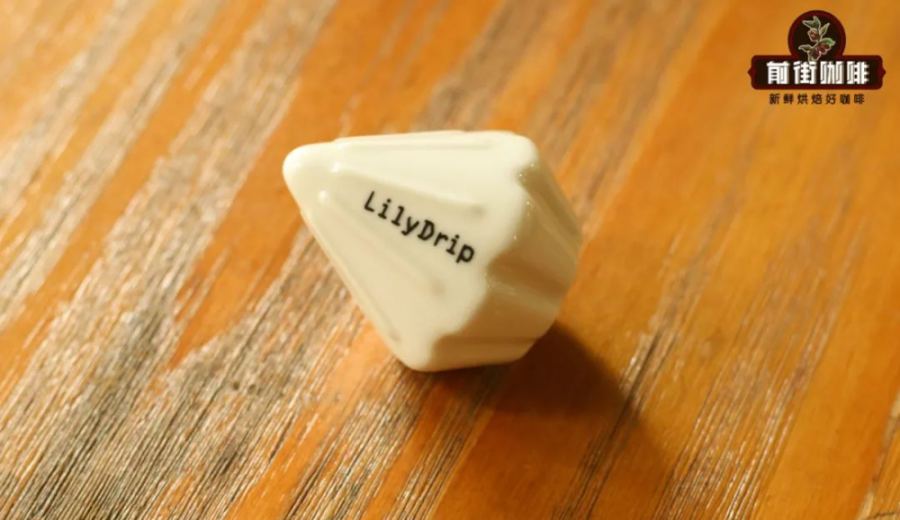
Introduction:Do you often encounter issues like uneven coffee extraction, slow flow rate, or even over-extraction when brewing light roast coffee using pour over methods? Lily Drip (莉莉珠), a cone-shaped dripper accessory, is said to optimize coffee bed distribution, improve flow rate, and enhance extraction efficiency. This article will take an in-depth look at how Lily Drip works, and using Yirgacheffe Gu Ding Ding as an example, we’ll compare the brewing performance of the V60 with and without Lily Drip — examining everything from time and flavor to practical brewing details — to help you find a more suitable pour over method for your taste.
Can you imagine that an ordinary glass bead could become the inspiration for revolutionizing the coffee brewing experience? The birth of Lily Drip (莉莉珠) started with such a coincidence. It is said that a little girl named Lily, who loved watching her father brew coffee, one day casually dropped a glass bead into the dripper while he was preparing to brew. Although her father could have easily removed the bead, he chose to keep it and adjusted the filter paper so the dripper could sit stably on the bead during brewing. As a result, the coffee brewed in this “experiment” turned out surprisingly well. From there, her father conducted two months of in-depth research, reshaping the original sphere into a cone that better matched the structure of the dripper, eventually creating this accessory now known as Lily Drip (莉莉珠).
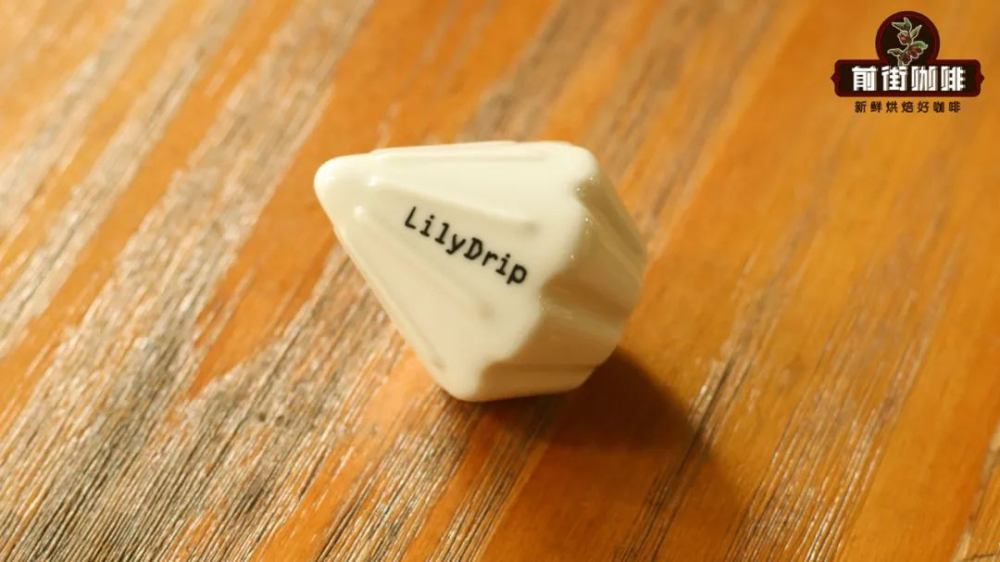
Lily Drip is primarily designed for common cone-shaped drippers like the V60. As the product line has expanded, there are now also versions suitable for flat-bottomed cake drippers. So, what practical problems can it actually solve? Many pour over enthusiasts face this situation when brewing light roast beans: the coffee grounds often accumulate in the center of the dripper, forming a V-shaped coffee bed that is thick in the middle and thin around the edges. This leads to difficulties in water penetration during the bloom phase, resulting in uneven extraction between the top and bottom layers of the coffee bed. Especially when using light roasted beans with a higher amount of fine particles, the gaps between the coffee grounds become even smaller, making it harder for water to flow through. Not only does this slow down the flow rate, but prolonged contact can also lead to over-extraction, making the coffee taste bitter and dull, with diminished bright acidity and aroma.

This is exactly where Lily Drip comes into play. When you place this small cone-shaped tool at the bottom of the dripper and then lay the filter paper on top, it effectively guides the coffee grounds to spread outward, preventing them from piling up in the center. This not only improves the uniformity of water penetration but also provides more pathways for water flow, reducing the chances of clogging. As a result, it shortens the overall brewing time and makes it easier for you to achieve your desired flavor profile.
To verify the actual effects of Lily Drip, we conducted a real-world comparison: using 15 grams of Yirgacheffe Gu Ding Ding, a typical high-altitude light roast coffee bean with distinct citrus, floral, and tea-like characteristics. We used a 1:15 coffee-to-water ratio (total water volume 225 ml), set the water temperature at 92°C, and applied the classic three-pour brewing technique. We performed two rounds of brewing — one using just the V60 and another using the V60 with Lily Drip — and compared the flow rates, flavor profiles, and brewing considerations of both in detail.
Without using Lily Drip, the first step is to fold the filter paper according to the standard procedure, then gently press the bottom of the filter paper in the reverse direction to create a “hat”-like structure in the center, which is where Lily Drip would be placed. This step can be skipped if you’re not using Lily Drip. In this experiment, we first performed the standard V60 brew: starting with a 30-second bloom using hot water equal to twice the coffee dose (about 30 ml), followed by pouring 120 ml of hot water in a large circular motion. When the water level dropped close to the bed, we poured the remaining 75 ml in a small circular motion. The total brewing time was approximately 2 minutes and 18 seconds. In terms of flavor, this cup displayed classic Yirgacheffe characteristics — delicate jasmine floral notes, soft citrus acidity, and a hint of refreshing Longjing-tea-like finish. The overall profile was quite balanced and layered.
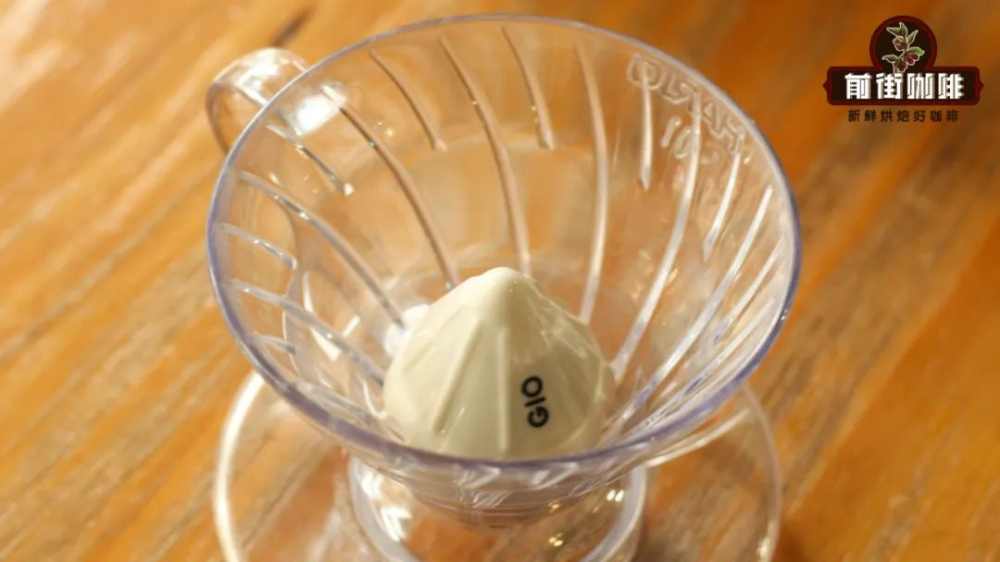
Next was the V60 test group using Lily Drip. Prior to brewing, the filter paper also needed to be “reverse-pressed” to ensure it adhered stably around the Lily Drip (you can also use a special cap tool to assist). For this brew, we used only large circular pours and skipped the small circle step. The results showed that the total brewing time was shortened to 1 minute and 55 seconds — about 20 seconds faster than the pure V60 group. In terms of flavor, the citrus notes were brighter and more pronounced, the jasmine floral character remained present, but the overall profile leaned more toward a fruity, sweet-and-sour sensation. The tea-like quality was still clear, and the mouthfeel felt smoother and rounder.

Judging from both the data and actual tasting experience, the V60 paired with Lily Drip not only effectively shortened the brewing time but also improved the issues of slow flow rate and over-extraction caused by overly dense coffee beds in light roast beans. If you find the flavor slightly lacking during actual use, you might consider fine-tuning the grind size (slightly finer) or slightly increasing the water temperature (e.g., 93–94°C) to enhance extraction, thereby elevating the coffee’s complexity and aroma.
In summary, Lily Drip is a practical accessory tailored for cone-shaped drippers like the V60, especially suitable for users who frequently brew light roast coffee and often encounter problems like clogging or slow flow rate. As long as you master the correct filter paper handling techniques and basic brewing parameters, it can help you more easily brew a cup of coffee with appropriate flow rate and clear, enjoyable flavors.
The above content is compiled by CoffeeHunters, a coffee news website.


