







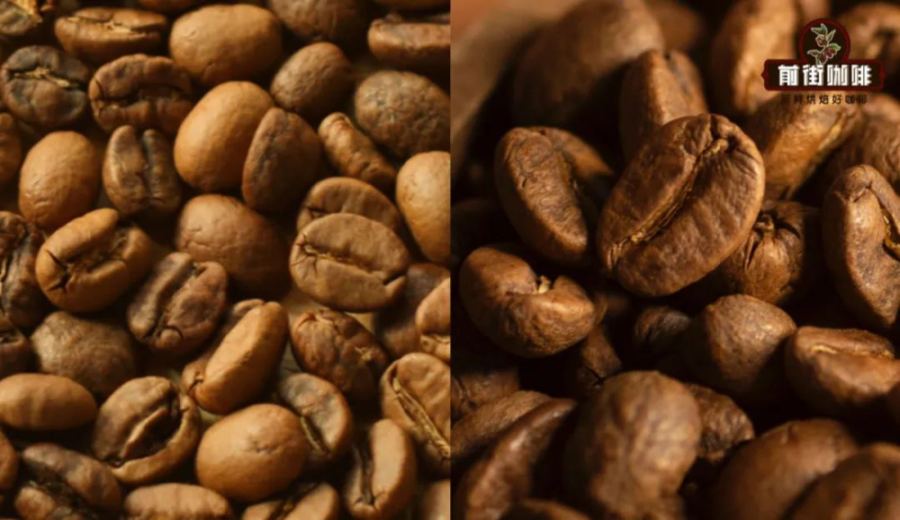
Introduction:The Costa Rican Musician Series coffees are renowned for their artistic naming conventions and diverse coffee varieties. Among them, F1 and H1, as special variety codes, often puzzle coffee enthusiasts. This article delves into the actual meanings of these alphanumeric combinations within the coffee variety system, exploring their genetic backgrounds, hybrid vigor, and disease resistance. It also provides brewing recommendations for light to medium roast pour over based on actual cupping results, helping readers better understand and enjoy the unique flavors of these specialty coffees.
The Costa Rican Musician Series coffees have consistently garnered attention in the specialty coffee market—not only because of their batches named after famous composers, but also due to the frequent discussions sparked by codes such as F1 and H1 occasionally seen on the bags. These codes are not subcategories of the Musician Series, but rather indicators of the special coffee varieties or selected cultivars used in those particular batches. Understanding their origins and characteristics can help coffee lovers approach tasting with more direction and make more precise adjustments when brewing pour over.
Let’s start with the F1 variety.In the field of coffee breeding, F1 is not the name of a single variety, but an abbreviation for “First Generation Hybrid.” This type of variety is typically the first-generation offspring resulting from the artificial crossbreeding of two carefully selected parent plants. The Costa Rican Coffee Institute (ICAFE), in collaboration with other research institutions, has successfully developed several hybrid varieties—including F1—through hybrid breeding techniques. Examples include Centoamericano and Milenio, which are representative F1 coffees.
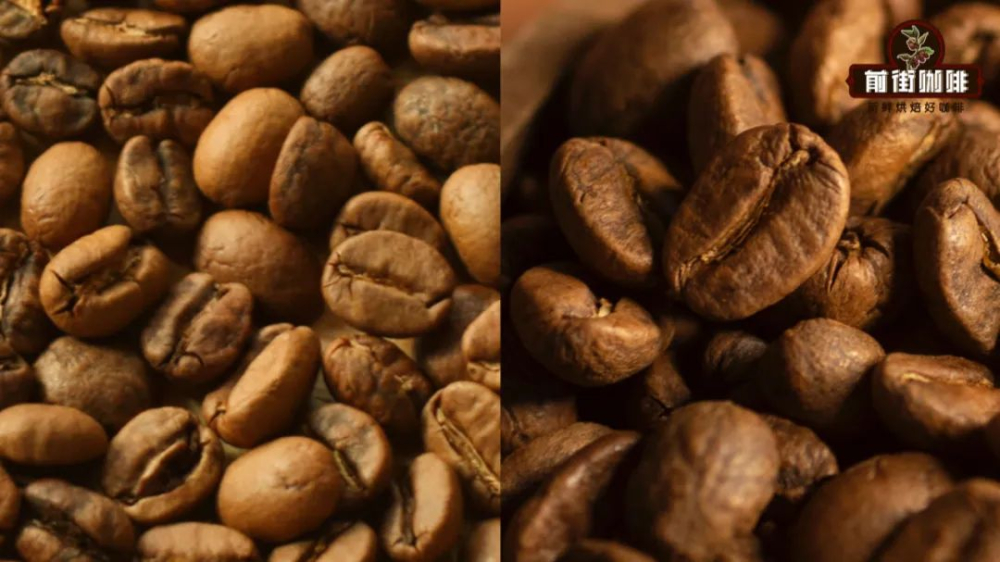
The standout feature of F1 coffee lies in what is known as “Hybrid Vigor.” This gives F1 plants superior growth vigor, yield potential, and resilience to environmental stressors compared to conventional varieties. In terms of cup profile, many F1 varieties also exhibit rich fruitiness, bright acidity, and a well-balanced sweetness. However, since F1 seeds do not breed true—meaning each generation may show trait segregation—growers need to re-produce the seeds annually, which contributes to the relatively higher production costs of F1 coffee.
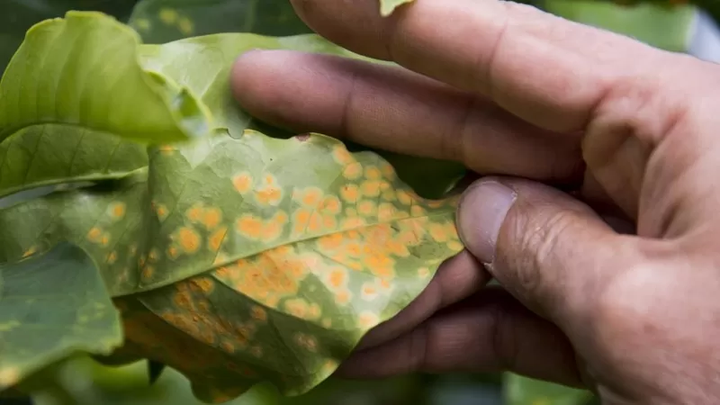
Now let’s look at the H1 variety. H1 is usually a code representing a specific locally selected cultivar in Costa Rica, sometimes associated with H1 Centroamericano. This is a cultivar that falls under the F1 hybrid category, often involving parental lines with strong resistance to coffee leaf rust, such as Rume Sudan and ET01. Thanks to this genetic background, the H1 cultivar is widely planted in multiple coffee-growing regions of Costa Rica. It not only demonstrates good resistance to leaf rust, but also shows considerable flavor potential in cupping evaluations.
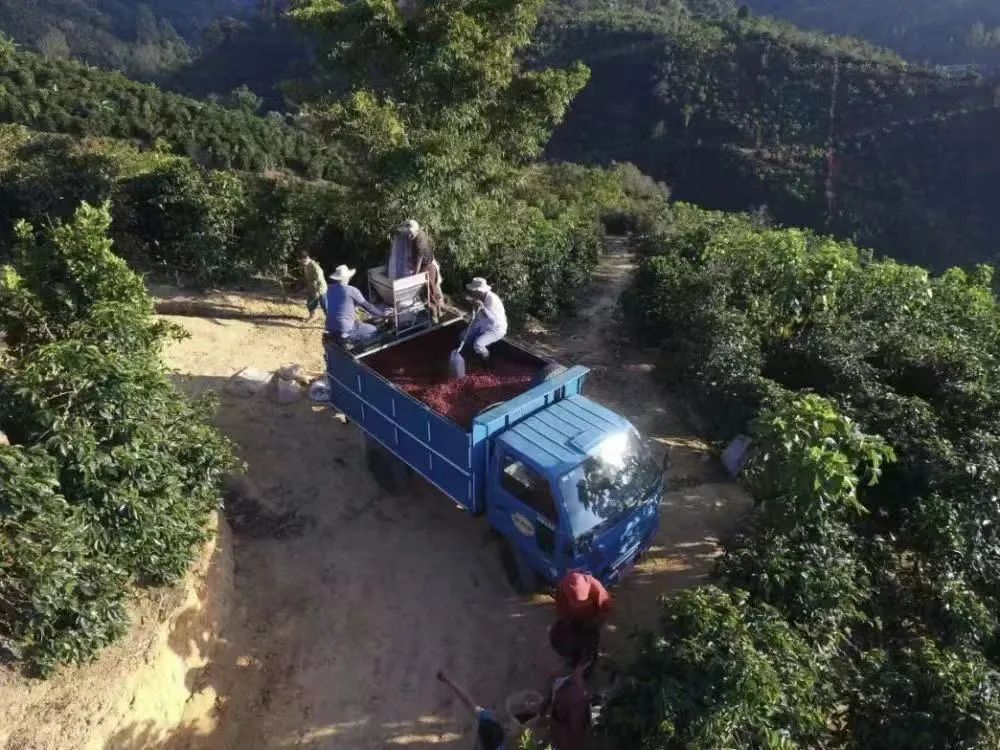
It’s important to note that the naming logic of the Costa Rican Musician Series is primarily based on musical or artistic themes, rather than being strictly categorized by coffee variety. Therefore, even within the same composer-named series, you might find batches labeled as F1, H1, or even traditional varieties like Caturra or Catuai. In other words, when you see F1 or H1 on a coffee bag, it indicates the actual variety or selected cultivar used in that batch—not a fixed subcategory of the Musician Series.
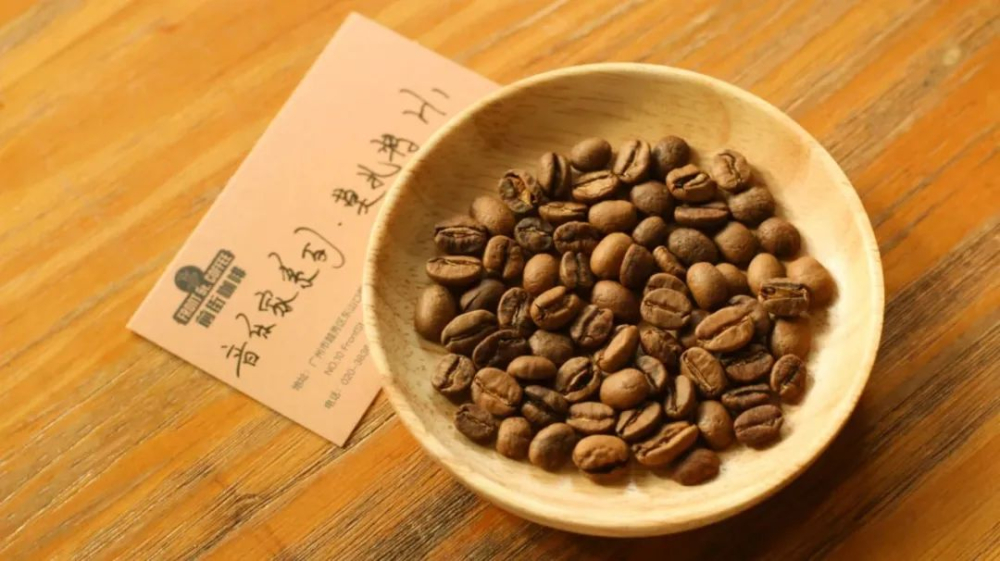
Based on actual tasting and pour over experience, some batches of the Musician Series sold by a certain brand clearly indicate the F1 or H1 variety information. For example, H1, when brewed as a light to medium roast, often presents bright fruit notes such as citrus and red apple, along with a soft yet persistent caramel sweetness. Its acidity is vibrant without being overly sharp, and the aftertaste is clean and refreshing. On the other hand, F1 batches may showcase more intense floral aromas and tropical fruit notes like pineapple and mango, with a typically rounder and fuller body. Of course, these flavor expressions can also vary depending on the microclimate of the growing region, post-harvest processing methods (such as honey, washed, or natural), and roast level.
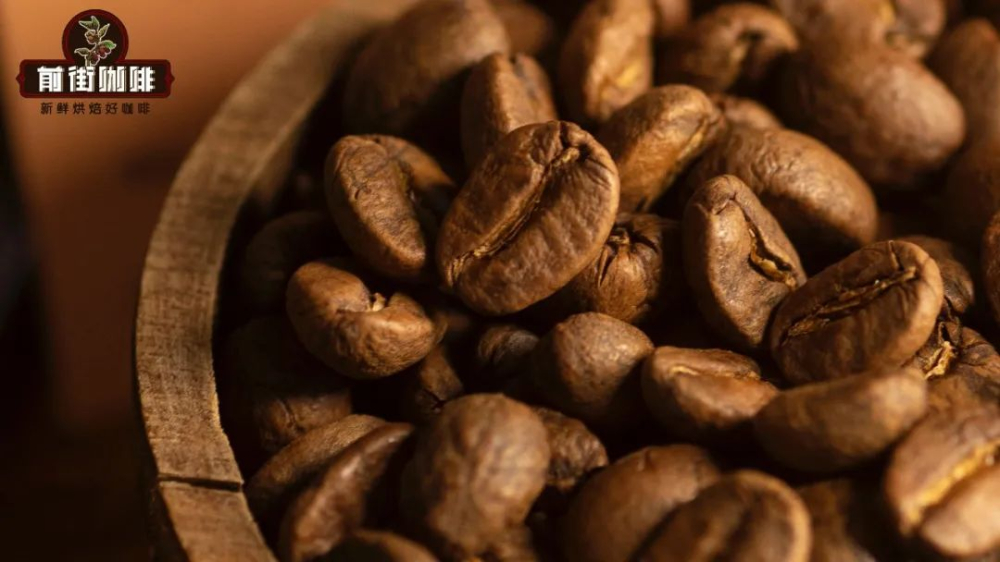
If you’d like to experience these distinctive varieties firsthand, it’s recommended to first check the variety indicated on the coffee bag and adjust your pour over parameters according to the roast level. For light-roasted F1 or H1, using slightly higher water temperature (around 92–94°C) and a medium-fine grind helps highlight bright acidity and vibrant aromatic layers. For medium-roasted batches, you may slightly lower the water temperature to 90–92°C and extend the extraction time appropriately to fully bring out the sweetness and full-bodied texture. Mastering these basic techniques will allow you to more easily appreciate the unique charm of F1 and H1 in the Musician Series.
The above content is compiled by CoffeeHunters, a coffee news website.


