







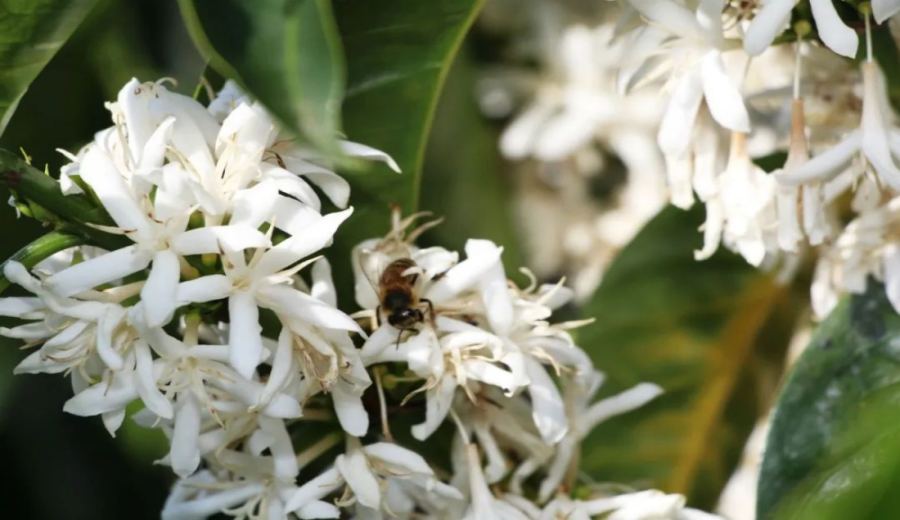
Introduction:Tanzania is quietly emerging with an agricultural experience that combines coffee cultivation and immersive tourism, allowing visitors to step into coffee fields and participate in everything from harvesting to brewing. This article takes you through how the Arusha region is creating unique appeal through coffee tourism, and analyzes current development challenges and opportunities. Whether you're a coffee enthusiast or a travel planner, you'll gain practical insights.
In East Africa’s Tanzania, a new model of agri-tourism is gradually taking shape—one that skillfully blends the daily operations of coffee plantations with tourism experiences, attracting global visitors to delve deep into coffee farms and personally engage in every step from harvesting to brewing. Upon arriving in Arusha, travelers enter lush coffee plantations to hand-pick bright red coffee cherries, learn to remove the pulp, process the beans, and ultimately brew their own cup of coffee, experiencing the complete journey from farm to cup.
Local guide Daniel Joachim has transformed his family farm in Arusha into a coffee tourism hub, not only offering coffee experiences but also integrating local culinary culture by designing special itineraries that combine coffee with traditional dishes such as Ugali and Nyama Choma (grilled meat). He aims to carve out a unique niche for Tanzania in Africa’s predominantly Ethiopia-focused coffee tourism market.Notably, coffee tourism in Arusha peaked back in 2013.To this day, it continues to attract dedicated travelers from Europe, Japan, and the United States, but compared to popular wildlife safaris and national park tours, coffee tourism has yet to become a mainstream offering—among the country’s more than two hundred tour operators, only ten provide related services.
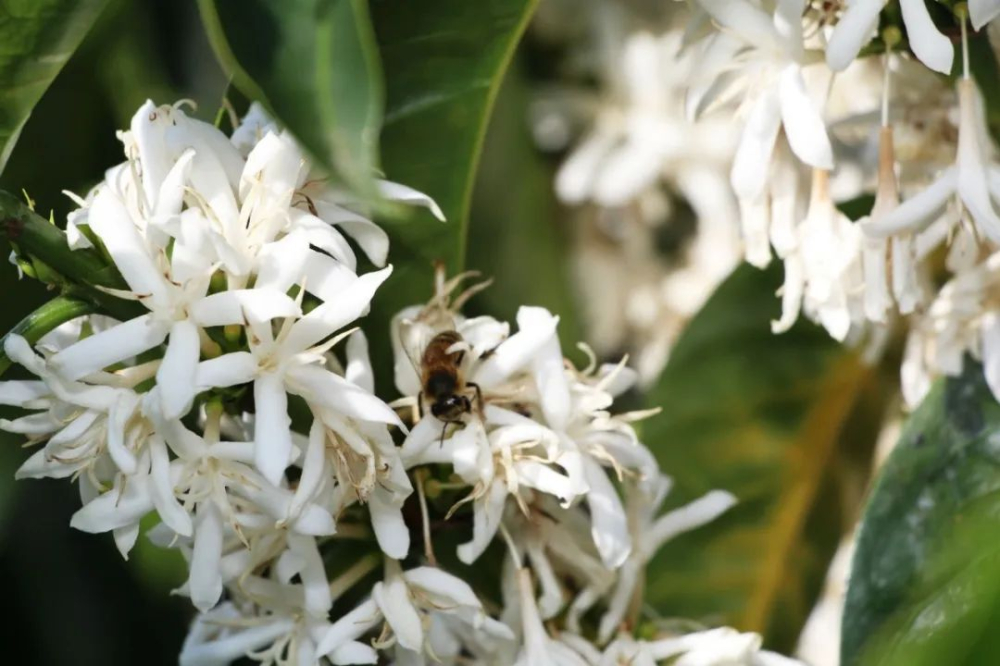
Daniel points out that for most Western consumers, coffee is an indispensable daily pick-me-up, yet many have never seen a raw coffee bean or a coffee tree in person.He believes it is his responsibility to show visitors the entire chain "from farm to cup."This includes the growing environment of the plants, how to determine the right time for harvesting, the differences in post-harvest processing techniques, and even how altitude affects flavor. He recalls that in the early days when local coffee tourism was not yet widespread, searching for "coffee tourism" on Google Maps would almost exclusively yield results from neighboring Ethiopia. As a result, he has consistently used online platforms to share Tanzania’s unique coffee stories and refine service details—such as arranging guided tours, and offering various brewing tutorials including pour over and French press—to build a differentiated competitive edge.
To deepen the experience, Daniel has turned his family farm in Tengeru, Arusha, into a multifunctional coffee tourism base. In addition to coffee field tours and hands-on brewing sessions, he has designed combo itineraries that pair "coffee with local cuisine"—the team adjusts traditional dishes based on where visitors come from (e.g., lighter flavors preferred in Asia, richer tastes in Europe and the U.S.), modifying the texture of Ugali or seasoning of Nyama Choma to better align with travelers’ preferences.
This innovative model has also inspired enthusiasm among local youth. Observing Daniel’s success, some young people have started running their own small-scale coffee tourism services. They began with the basics: distributing handwritten flyers outside popular restaurants in Arusha. As word spread, many international travelers now proactively contact them via social media or travel forums to book experiences.
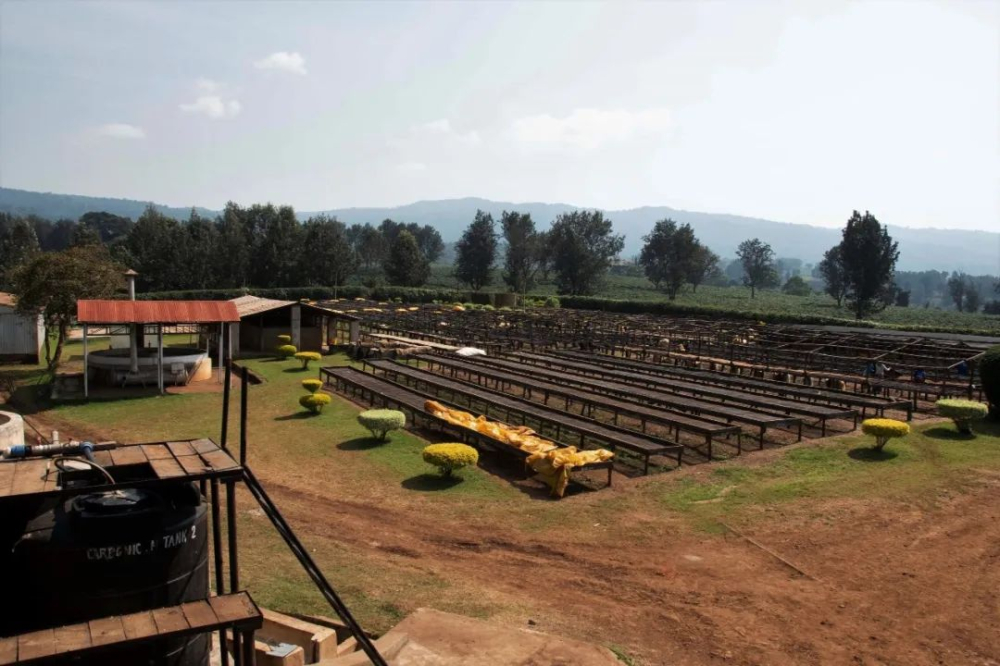
Looking back at its development, Arusha’s coffee tourism reached its zenith in 2013—back then, many visitors would plan coffee tours as a relaxing extension to safari adventures, unwinding in the coffee fields after wild explorations on the savannah. In recent years, there has been a rise in “coffee-only” travelers—those who fly in from Europe, Japan, and the United States specifically to delve into the culture and production details of coffee-growing regions.
Despite its significant potential, coffee tourism in Tanzania still faces challenges:The country’s main promoted tourism offerings remain wildlife safaris and national parks (such as Serengeti and Ngorongoro Crater).As a result, coffee-related itineraries receive relatively limited exposure and resource allocation. Statistics show that only one in ten (approximately ten) of the country’s over two hundred tour operators offer coffee tourism services, indicating that the market is still in its early stages of development.
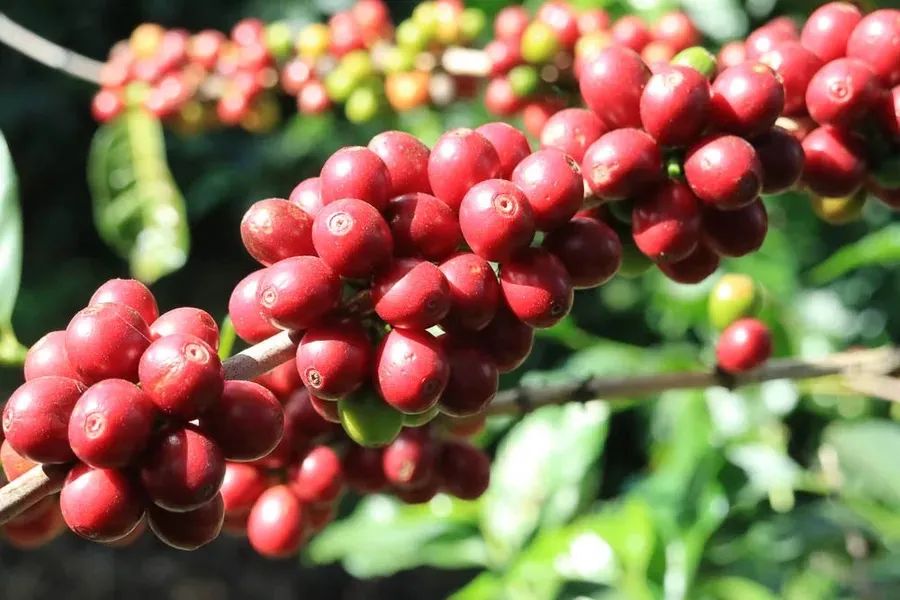
For coffee enthusiasts planning to visit Tanzania, if you wish to take part in a coffee farm experience, it is recommended to contact a local professional guide (such as Daniel’s operating team) in advance to confirm whether the itinerary includes harvesting lessons, post-processing tours, pour over brewing sessions, and to inquire about combo options that include local cuisine for a richer cultural immersion.
The above content is compiled by CoffeeHunters, a coffee news website.


