








Introduction:What’s the difference between the commonly seen “Heirloom” (原生種) on Ethiopian coffee packaging and the emerging term “Landrace” (地方品種)? This article delves into the differences between the two in terms of cultivation, genetics, and flavor, using the Kafa Forest as a real-world case study to help you understand the regional stories and purchasing insights behind variety labels—and to avoid common misconceptions.
When buying Ethiopian coffee, the term “Heirloom” (or “傳家寶,” meaning heirloom) on the packaging is almost a standard label, but in recent years, the word “Landrace” (地方品種) has also gradually emerged. What exactly is the difference between these two? And how can you tell them apart? This article will start from actual producing regions to analyze the blended nature of Heirloom, the background of Landrace’s formation, and take the Kafa Forest as an example to help you understand the terroir story behind variety labeling—while debunking a common myth: the Kafa Forest and Panama Geisha are completely different things.
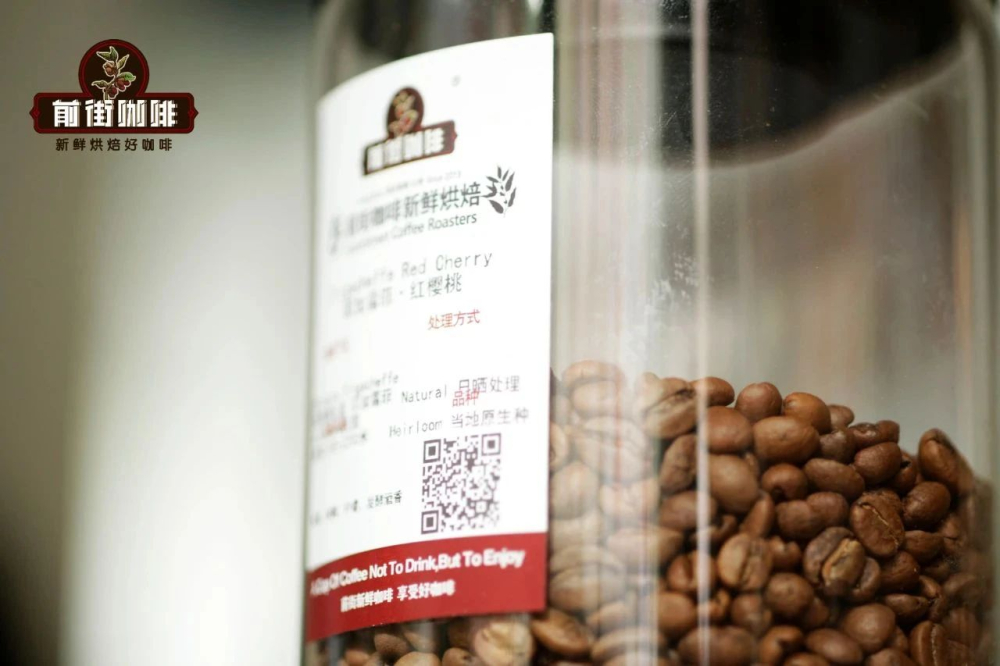
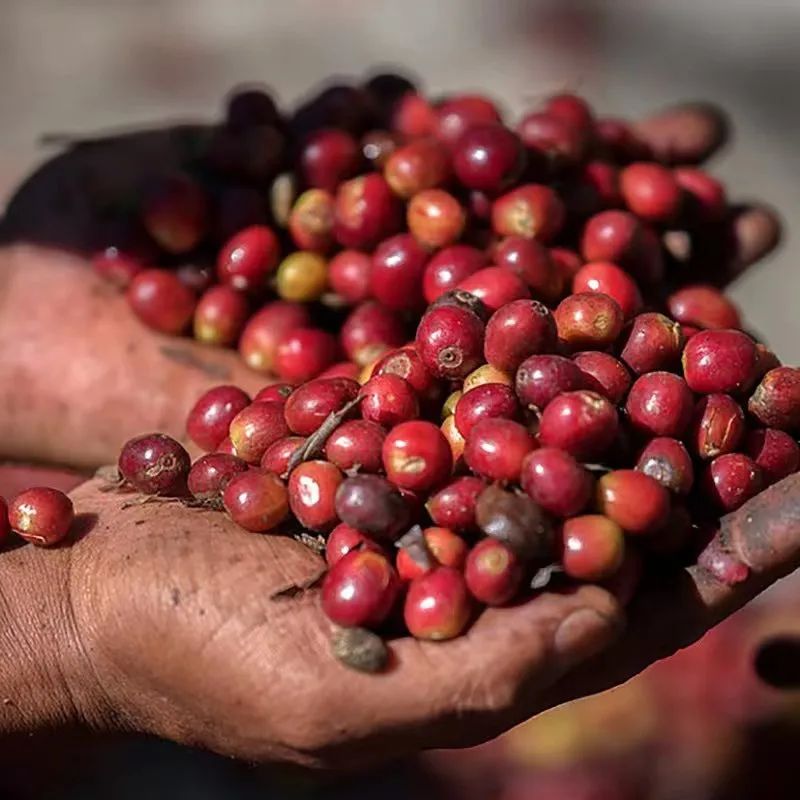
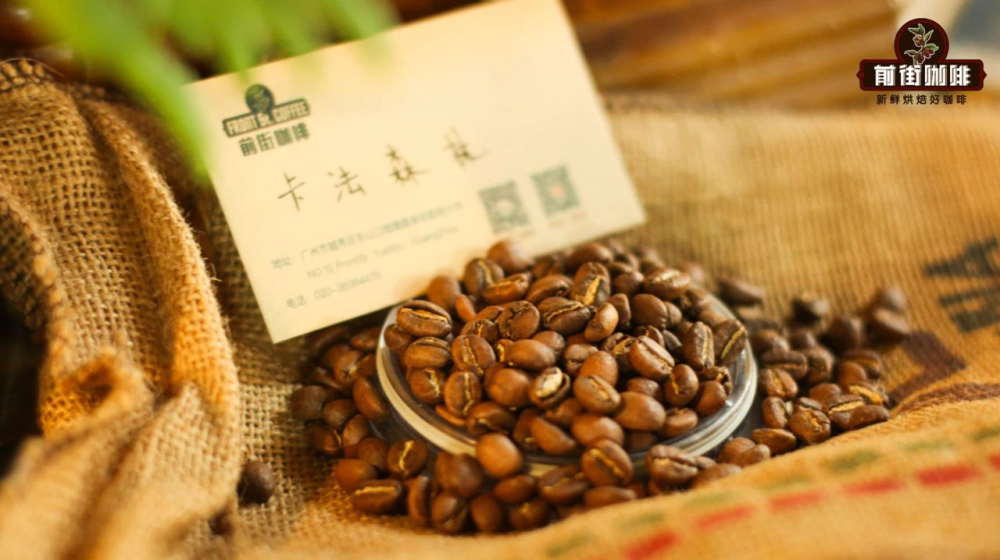
Take Kafa Forest as an example. This coffee comes from Ethiopia’s Kafa Biosphere Reserve and is named after its growth in high-altitude cloud forests. The area is considered one of the birthplaces of coffee and the legendary origin of the Geisha variety (where “Gesha” originally referred to a mountainous region in this area). But it’s important to note: although the Geisha variety originated here, it’s common for businesses to mistakenly refer to Kafa Forest coffee as “Geisha.” In reality, Panama Geisha (variety code T2772) is a completely different variety, known for its slender bean shape, bright floral and fruity notes, and complex flavors—very different from the terroir-driven profile emphasized by Kafa Forest. Kafa Forest coffee is washed processed, with flavors of lemon, sweet orange, peach, and other bright fruit notes, and lighter roasts better highlight its clean characteristics.
So, what exactly is Landrace (地方品種)? Through long-term cultivation, some coffee trees have adapted to local soils and climates, demonstrating stable yields and disease resistance, while also developing more consistent flavors. These trees have been selected and preserved by farmers. After years of hybridization and domestication, these plants with distinct traits have evolved into what we now call “local varieties” or Landrace. They not only possess high genetic diversity but also coexist well with the local environment, making them treasured “heirloom varieties” passed down through generations of farmers.
But why weren’t these varieties labeled individually in the past? From a botanical perspective, Landrace isn’t an independent variety but rather the result of terroir and natural selection. Its “uniformity” stems more from environmental adaptation than a single gene. In recent years, Ethiopia’s agricultural research institute JARC has gradually identified certain local varieties that were previously classified as Heirloom—such as Kurume and Wolisho in the south, and Choche and Sardo Buna in the west. However, because small processing facilities often mix cherries from hundreds of farmers, detailed variety information is difficult to trace, and the coffee ultimately still gets exported as Heirloom. Nowadays, as international green coffee buyers seek uniqueness, more and more farmers are planting specific local varieties, allowing consumers to enjoy more authentic regional flavors.
The above content is compiled by CoffeeHunters, a coffee news website.


