







Introduction:The flavor performance of pour over coffee is often closely related to pouring techniques and the condition of the coffee bed (also known as the "coffee wall"). Many beginners, after brewing, find that the center of the coffee bed has collapsed, bubbles have formed, or coffee grounds have settled at the bottom, resulting in subpar taste. This article will delve into the causes of coffee bed collapse and improper swirling, analyze their impact on extraction, and share practical water control techniques to help you stabilize your pouring and improve overall extraction uniformity.
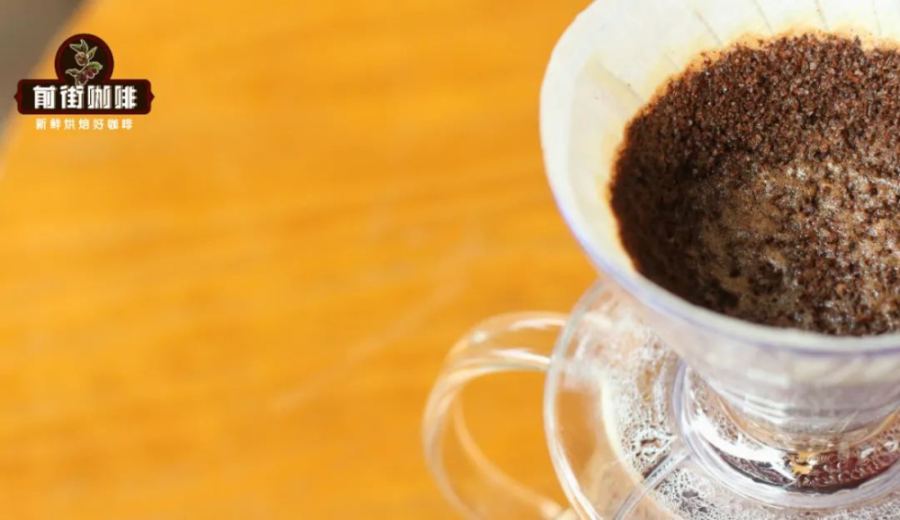
During manual pour over brewing, the shape of the coffee bed is often an important indicator of whether the pouring technique is appropriate. Many beginners who have just started pour over brewing may notice, after completing the brew, that the coffee bed on the inner wall of the filter cone appears layered or broken—with the central area being extremely thin, sometimes even showing small bubbles, and some coffee grounds settling at the bottom—leading to less-than-ideal extraction results. This phenomenon is usually related to overly strong water flow during the final stage of pouring.
As the brew nears its end, using an overly forceful stream of water and rapidly swirling over a wide area can easily damage the already-formed coffee bed structure. The coffee grounds that were originally evenly attached to the filter paper can collapse under the sudden impact of strong water flow, causing the coffee bed to break apart in the middle. Once the water flows directly through the gaps between the filter paper and the filter cone’s ribs, it creates what is known as the "channeling effect," leading to localized over-extraction and overall unevenness, ultimately affecting the overall flavor profile of the coffee.
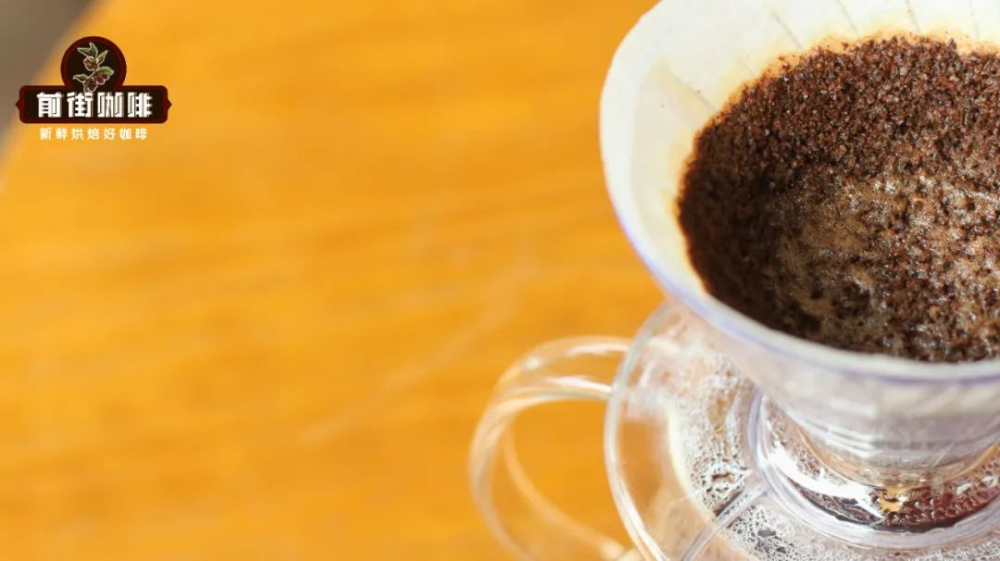
Many novice pour over enthusiasts report that the coffee they brew not only lacks aroma and complexity, but also looks very different from the ideal coffee bed shape shown in tutorial videos. The most common issue is the coffee bed breaking apart in the center, splitting into upper and lower sections—with the middle part having a sparse coffee layer or almost no coffee particles at all, and some coffee grounds even falling directly to the bottom. This is actually a direct result of unstable pouring techniques.
The main cause of coffee bed breakage often occurs during the final stage of pouring. After the bloom phase, as water is gradually poured in, the coffee grounds will suspend and tumble with the water flow. As the liquid level slowly drops, the fine coffee particles on the surface will adhere to the filter paper and gradually accumulate into a coffee bed with a certain thickness. However, if you suddenly switch to high water pressure and begin pouring quickly over a wide area when the liquid level has dropped to about two-thirds of the filter cone’s height, it can easily disperse the previously stable coffee bed, creating a broken, two-tiered structure.
If you continue to pour water into the broken area at this point, the water will flow directly through the gaps between the filter paper and the filter cone’s ribs, bypassing most of the coffee bed, resulting in severely uneven extraction. This is also why some cups of coffee taste flat or even have unpleasant off-flavors.
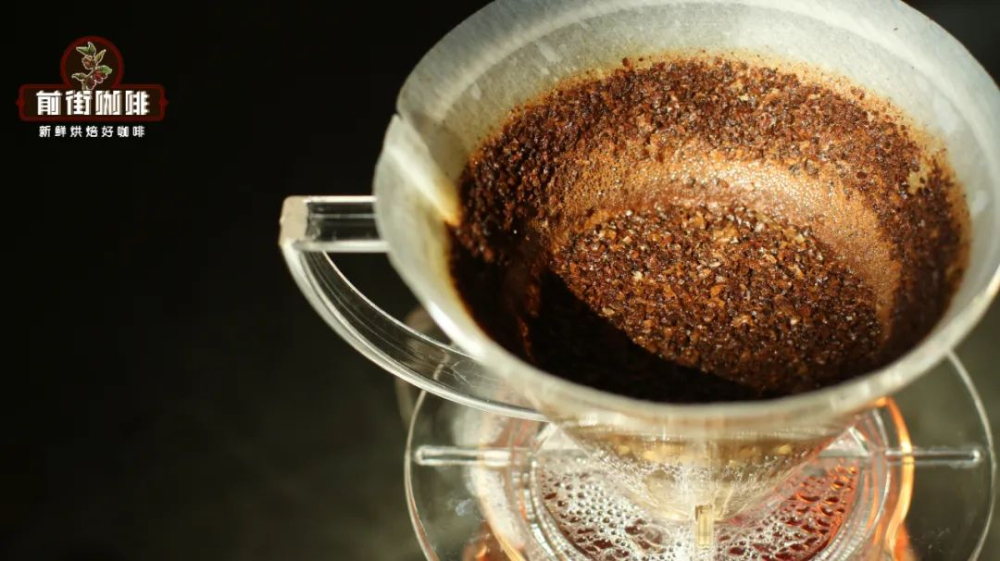
In addition to coffee bed breakage, another common issue is swirling over too large an area, causing the liquid level to overflow over the edge of the coffee bed. Although in this case the water may not directly hit the filter paper, too much water will quickly flow away along the filter cone’s ribs, reducing the effective contact time between the coffee grounds and water. This can easily lead to under-extraction, low concentration, and even clogging of the filter holes due to fine coffee grounds accumulating at the bottom, resulting in pooling issues.
Such coffee beds usually have a loose top layer with uneven particle distribution, and the brewing time may extend beyond 2 minutes and 10 seconds. The resulting coffee often has unpleasant bitterness or astringency. These problems are common challenges many beginners face when practicing pour over techniques.
To improve the above issues, you should start with basic water control skills. Stable and precise pouring control is key to ensuring uniform extraction. Generally speaking, the higher the water stream, the stronger its penetration and the more intense the disturbance to the coffee bed; conversely, a lower water stream is gentler and helps reduce the agitation of coffee particles.
Taking the widely used three-pour method as an example, it is recommended that after the bloom phase, you use a relatively high but steady water stream, holding the kettle about 3 to 4 centimeters above the liquid surface. Start pouring from the center and slowly swirl outward in a clockwise direction, evenly wetting the coffee bed until you reach 125 grams of water poured. During this stage, try to maintain a vertical water stream with moderate force to help the coffee grounds fully expand and initiate flavor release.
As the liquid level rises, you can observe the coffee bed gradually adhering to the filter paper. When the water level drops to about half the height of the filter cone, it is recommended to reduce the swirling range, lower the water stream height to about 2 centimeters, and pour along the halfway radius of the liquid surface using a more delicate technique. This not only ensures that each coffee particle is evenly saturated with water but also avoids damaging the previously established coffee bed structure, thereby enhancing the overall stability and consistency of extraction.
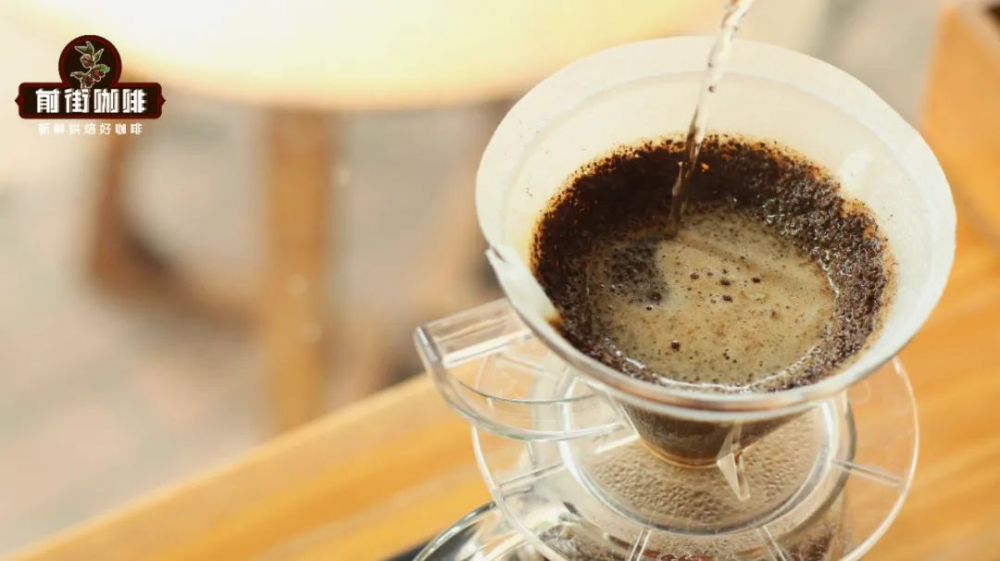
By adjusting the water stream height and swirling range, you will be able to more accurately control the pouring rhythm, avoid channeling and uneven extraction, and brew a pour over coffee with a more balanced flavor and richer layers.
The above content is compiled by CoffeeHunters, a coffee news website.


