







Introduction:Recently, some consumers reported difficulties in getting change when paying with cash at Heytea outlets, sparking discussions about the cash management capabilities of chain tea beverage brands. This article delves into the common reasons for insufficient change reserves in tea shops, the practical challenges faced by staff, and how to enhance the consumer experience while ensuring all legal payment methods are supported—offering readers a comprehensive analysis of the industry's current state and practical suggestions.
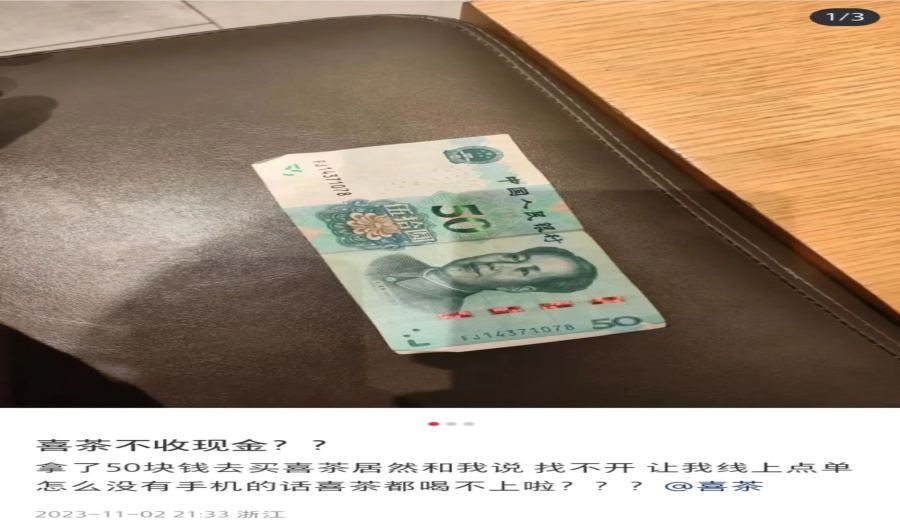
Recently, a consumer shared on social media that they tried to buy a drink at a Heytea outlet with 50 yuan in cash but were told that change could not be provided and were advised to order online instead. This experience quickly went viral online, with many in the tea beverage industry responding that a lack of small change is indeed a common issue, especially during peak hours at mall locations, where staff are often too busy to go out and exchange for change.
However, many voices argue that the difficulty in providing change should not be borne by consumers—the business should ensure all legal payment methods function smoothly. This is not the first time Heytea has been questioned over cash handling issues, and the incident once again thrusts the topic of cash management in chain tea beverage brands into the spotlight.
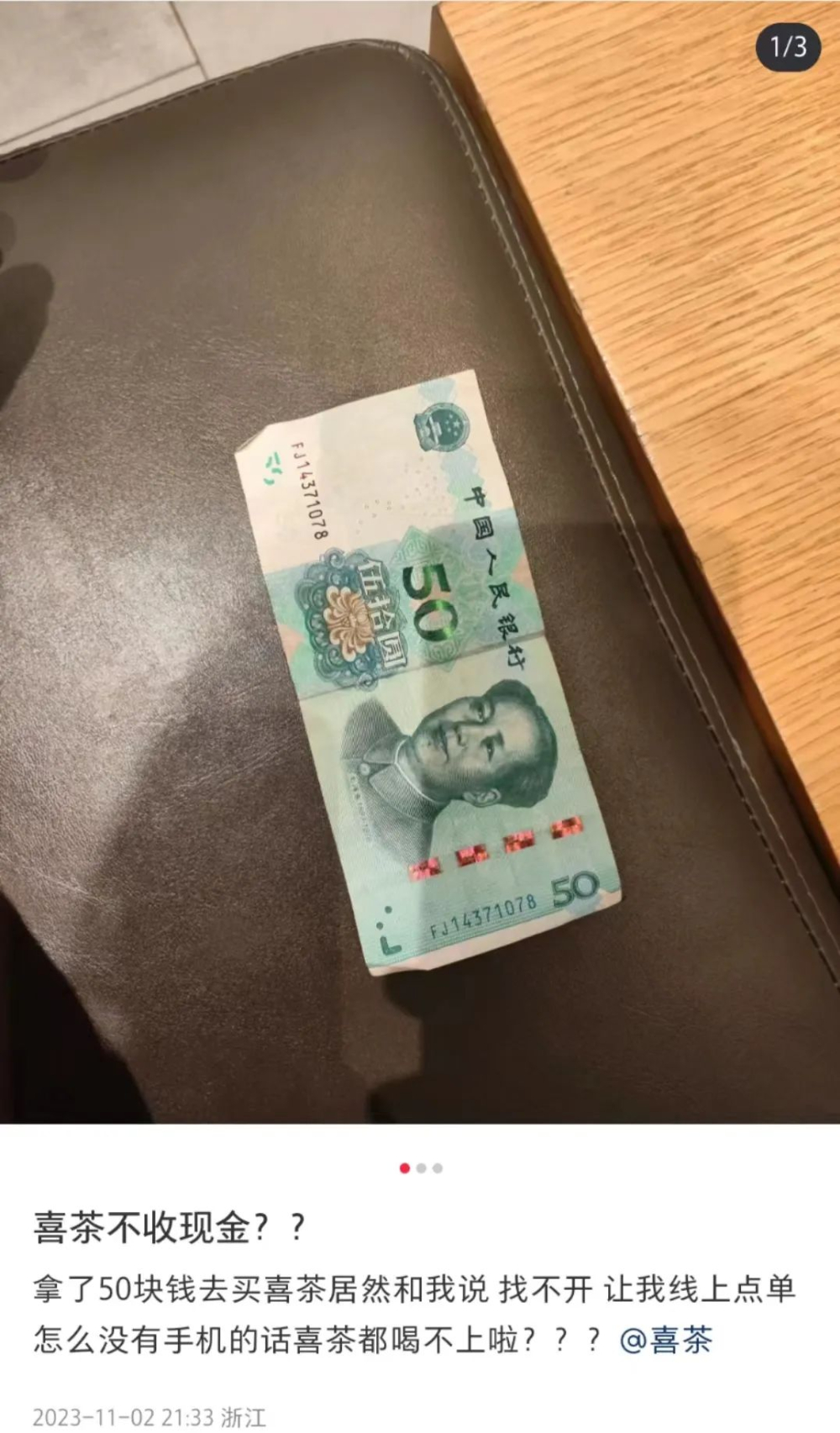
A netizen posted on November 2 that they took 50 yuan in cash to buy Heytea, but the staff said they couldn’t make change and suggested using online ordering. The netizen questioned: “What? Can’t I have Heytea if I don’t have a phone?” Such experiences have made many netizens wonder how a leading chain tea brand like Heytea could run into issues like insufficient change or being unable to give change.
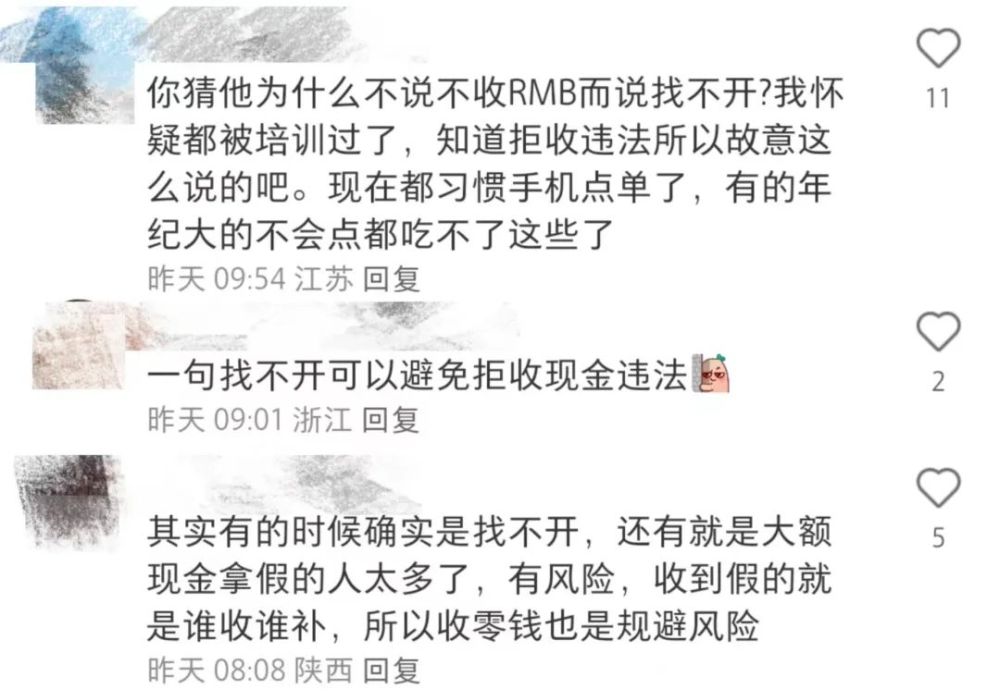
Netizens discussed that generally, cash registers would prepare at least 1,000 yuan in small denominations, and it seems unusual for Heytea to not even be able to give 50 yuan in change. Some speculated that staff citing “can’t make change” might actually be trying to avoid the risk of accepting counterfeit bills. After all, larger denominations carry a relatively higher chance of being fake, and any losses from mistakenly accepting them are usually borne by the cashier.
One netizen analyzed: “Why do you think they don’t say they don’t accept RMB, but say they can’t make change? I suspect the staff have been trained to know that refusing cash is illegal, so they deliberately use this phrase to sidestep the issue.” This observation sparked more discussion, with some believing that a simple “can’t make change” could help avoid the legal risks of refusing cash.
However, some netizens who claimed to be Heytea employees stepped forward to explain the real situation. They admitted that during peak hours, they indeed face situations where they can’t provide change. One employee suggested: “If there’s not enough change, you can add some extra toppings, or ask the person in charge to go out and get change; if it really can’t be done, then there’s no way around it.” Another insider revealed: “If you’re paying with cash, it’s best to have the exact amount ready.”

Many tea shop employees also shared similar experiences, especially during busy periods, when giving change to customers is genuinely challenging. A part-time worker said: “Sometimes it’s truly impossible to make change. There aren’t many people using cash these days, and most people in malls use larger bills—the circulation of small change is low. We do remind the boss to go to nearby shops to exchange for coins, but occasionally someone pays 100 yuan for a single drink, and all the change gets used up.”
They further explained that, of course, business owners want to sell as many drinks as possible and wouldn’t intentionally turn customers away, but when the store is too busy, they simply can’t spare anyone to go get change. These realities help consumers better understand the staff’s predicament, but also highlight the necessity of proper change management.
Despite this, some netizens believe that the inconvenience of making change shouldn’t be passed on to consumers. Since the store is open for business, the priority should be to find solutions rather than simply refuse cash payments under the excuse of “can’t make change.” One comment pointed out: “This isn’t the consumer’s fault—the core issue is that management wants to save on labor and costs. More discussion should focus on the operators’ responsibilities, and less blame should be placed on customers.”
Notably, this isn’t the first time Heytea has faced criticism over cash change or refusal issues. Many netizens questioned: “Isn’t paper money still money?” showing the importance consumers place on legal payment methods. While some working individuals expressed understanding toward the “difficulty in giving change,” acknowledging that frontline stores do face real challenges, most opinions held that these issues shouldn’t be shifted onto consumers.
In summary, the challenge of managing small change in tea beverage shops does exist, especially during peak hours and in mall environments. But businesses should still actively ensure sufficient change reserves, plan for exchange processes, and guarantee that all legal payment methods can be used smoothly—so as to improve operational efficiency while also respecting consumers’ payment rights. It is hoped that this incident will prompt the industry to reflect and further optimize the customer experience.
The above content is compiled by CoffeeHunters, a coffee news website.


