







Introduction:In 2023, the Brazil Cup of Excellence (CoE) for the first time introduced a competition format that grouped entries by processing method, dividing the submitted green beans into three major categories: dry-processed, wet-processed, and experimental. Each group was independently judged to select the top ten, with a minimum score threshold of 87 points. This change not only enhances the fairness of the competition but also reflects the market’s growing emphasis on innovative processing methods. This article delves into the details of the new competition format, highlights from each category, and explores its long-term impact on the specialty coffee industry.
The 2023 Brazil Cup of Excellence (Coffee of the Year, abbreviated as CoE) saw its most groundbreaking competition format reform in 24 years, categorizing the entered green beans into three distinct groups for the first time—dry-processed, wet-processed, and experimental—and evaluating them separately. This approach not only ensures fairer competition among different processing methods but also allows judges to provide more precise evaluations based on the unique characteristics of each processing technique. This year’s competition selected 10 winning beans in each category, with all selected coffees achieving cupping scores of87 points or above, meeting the specialty grade standard.
According to the regulations of the Alliance for Coffee Excellence (ACE), the participating green beans in this edition had to be clearly classified under one of the following three processing methods:Dry-processed (natural/dry method),Wet-processed (including washed, honey, semi-washed, semi-natural, and other techniques that involve parchment removal), andExperimental (special processing techniques, but no additives other than water allowed). This grouping mechanism was implemented for the first time since Brazil first hosted the CoE, marking a significant transformation in the competition format.
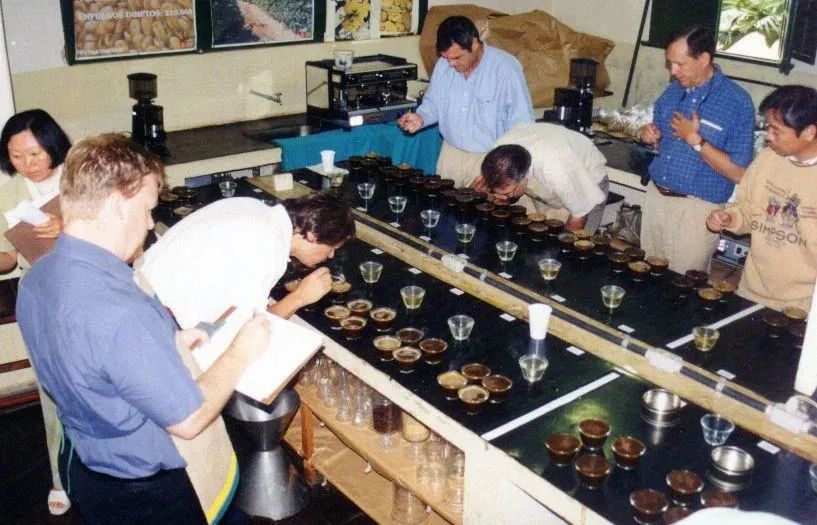
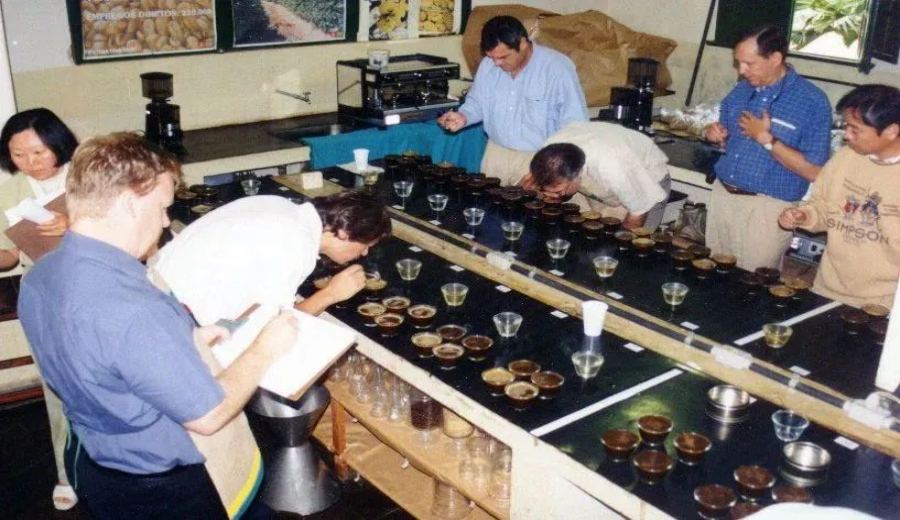
In previous CoE competitions, regardless of the processing method used, all green beans were evaluated together. While this approach helped showcase diversity, it had limitations in fairness and detailed assessment. In 2023, the competition returned to Brazil and introduced a brand-new grouping system, undergoing six rigorous rounds of cupping from pre-selection to finals, with both domestic and international expert judges participating. Under the new system, each group is evaluated independently, ensuring that the unique characteristics of each processing method are fairly considered.
The competition process this year remained rigorous, consisting of an initial pre-selection round, two domestic judging rounds, and three international judging rounds, followed by a final round where the jury conducted a re-cupping review of the top ten in each group to confirm scores and rankings. The post-grouping evaluation method allows judges to focus more intently on the specific performance details of each processing method, thereby uncovering the potential and uniqueness of each technique.

According to the final evaluation results, each of the three categories produced 10 outstanding winning beans. Among them, the experimental processing group featured a variety of innovative techniques such as anaerobic fermentation, carbonic maceration, and lactic acid fermentation, showcasing the limitless possibilities of flavor exploration in specialty coffee. These experimental processing methods, while employing special techniques, strictly prohibit the use of any substances other than water, ensuring that the processing still meets fundamental requirements for naturalness and quality.
The dry-processed group (i.e., traditional natural/dry method) highlighted the unique flavors resulting from the interaction between the coffee fruit pulp and seeds during the natural drying process, often exhibiting intense fruity notes, blueberry, wine-like, or chocolatey profiles. The wet-processed group included diverse techniques such as washed, honey, and semi-washed, showcasing clean, bright acidity and rich layers—a flavor profile often preferred by many coffee enthusiasts as their first introduction to specialty coffee.
Erwin Mierisch, Executive Director of the Alliance for Coffee Excellence, shared his thoughts on the new system shortly after taking office on August 14, 2023. He stated: “We understand that both the market and producers are eager for a platform that truly recognizes the value of various processing methods. This grouping not only respects tradition but also responds to the need for innovation, representing a significant strategic step aligned with global specialty coffee trends.” His comments underscore the competition’s deep insight into the future direction of the industry.
In recent years, experimental processing methods such as anaerobic fermentation and carbonic maceration have rapidly risen in the global specialty coffee market, not only delivering unprecedented flavor experiences to consumers but also helping producers break through price barriers and increase bean value. This CoE grouping competition is a positive response to this trend and sets a new benchmark for future competitions.
Overall, the 2023 Brazil Cup of Excellence’s competition format reform is not just an adjustment in evaluation methodology, but also an active exploration of the development direction of the global specialty coffee industry. Through more detailed categorization and evaluation, it not only highlights the unique characteristics of different processing methods but also provides a fairer competitive stage for producers, further driving the dual advancement of quality and innovation.

This competition not only showcases Brazil’s continuous improvement in green bean quality as a major coffee-producing country but also reveals the global market’s increasing appreciation for diverse flavors. For coffee professionals and enthusiasts, understanding the classification and characteristics of these processing methods will help make more personalized choices when selecting and brewing coffee.
The above content is compiled by CoffeeHunters, a coffee news website.


