








Introduction:Luckin Coffee has opened its first store in Hong Kong’s Sheung Wan district, entering the high-consumption market with a low-price strategy of HK$10 to HK$20 per cup, drawing attention to its business model and viability. This article delves into the challenges the store faces, including high rents, labor costs, as well as issues related to the brand’s rapid expansion and supply chain, helping readers understand its hurdles and future direction.
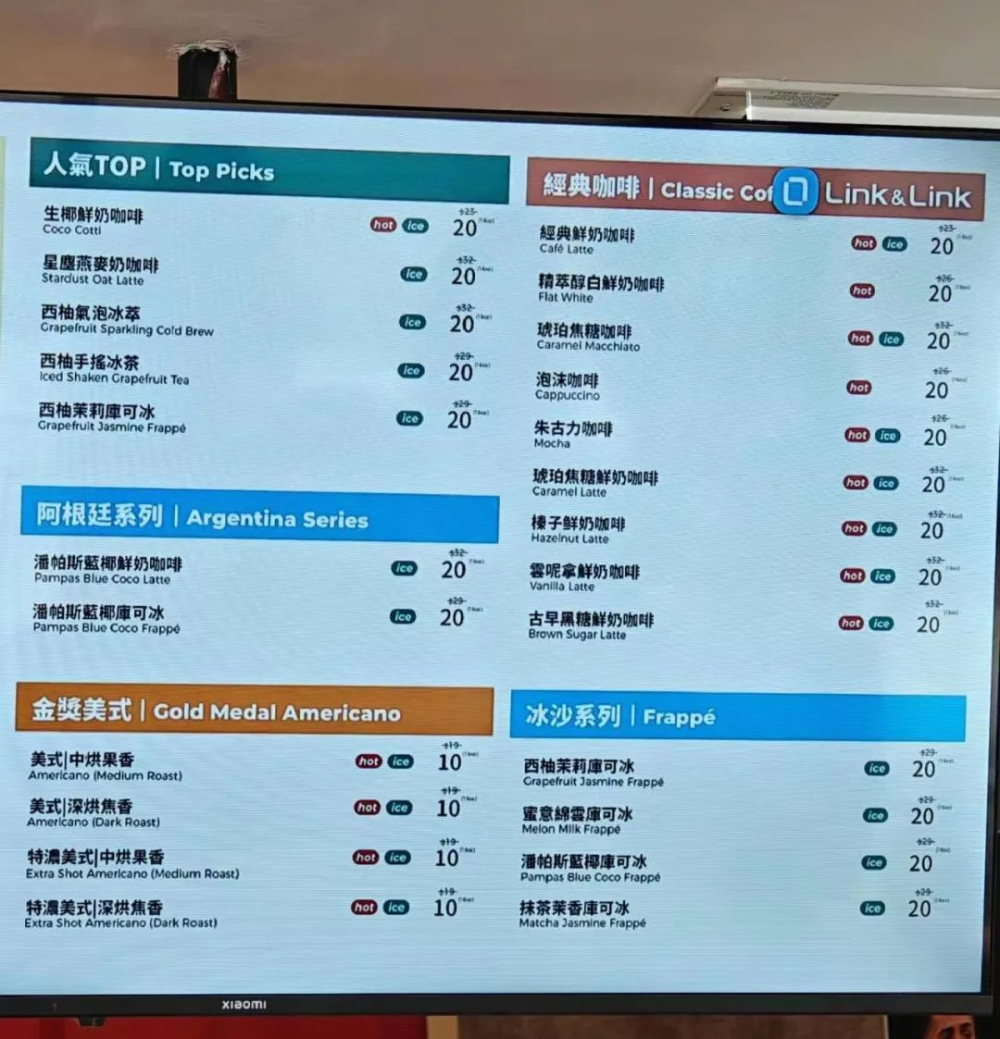
On October 30 this year, Luckin Coffee officially entered the Hong Kong market, with its first store located in Sheung Wan. It adopts a grab-and-go store model without seating, where customers take their orders immediately after purchase. This move is seen as an important step in the brand’s expansion into overseas and Hong Kong–Macau markets. However, its low-price strategy—pricing each cup of coffee at around HK$10 to HK$20, significantly lower than the common market rate of HK$35 to HK$50—has sparked considerable discussion.
In Hong Kong, everyday consumption is already relatively high. For example, a regular bottle of mineral water sells for about HK$12 in convenience stores, and coffee from typical cafés generally starts at over HK$35. As a result, Luckin’s Americano, starting at just HK$10, quickly caught consumers’ attention, with many even making special trips to the store for photos. During the initial launch, new users could also enjoy a free coffee through promotional activities. However, it’s important to note that the current low prices are limited-time promotions, and will later adjust to a standard range of HK$19 to HK$32.

Despite its affordable pricing, early customer feedback on the flavor of Luckin Coffee has been largely conservative, with most describing it as “average” or “mediocre,” and some even joking, “It’s more realistic to wait for Luckin’s rival, Luckin.” This shows that low prices alone are not enough to fully win over Hong Kong consumers—the quality and flavor of the product itself remain key.
However, what has truly drawn market attention is not just the taste of the products, but the actual operational challenges Luckin faces in Hong Kong. Sheung Wan, as one of Hong Kong’s core commercial districts, has persistently high rents and labor costs. According to industry estimates, a storefront of around 40 square meters in Sheung Wan has a monthly rent of about HK$37,000, plus approximately HK$16,000 in staffing costs. This means that, per store, a minimum of400 cupsof coffee must be sold daily just to break even.
Notably, such a sales threshold is highly challenging for a new entrant. Previously, other brands that focused on low prices and rapid expansion also attempted to enter Hong Kong, but due to an inability to sustain long-term low-margin operations, their quality and service declined, eventually leading to their exit from the market—a cautionary tale.
In addition, Luckin itself faces numerous internal issues during its expansion. Public information shows that the brand had closed more than 318 stores in the first half of this year, with frequent occurrences of supply chain instability. Many franchisees are also caught between declining sales and cost pressures. Although Luckin continues to implement a promotional pricing strategy of HK$9.9 to attract customers, this has also significantly compressed profit margins.
More seriously, this customer-attracting model that relies on low prices risks losing patrons once prices return to normal. Many franchisees report that current profit margins are slim, or even incurring losses, with some choosing to exit by transferring their stores or shutting down operations altogether.
While the brand’s own operational pressures have yet to ease, Luckin still plans to continue expanding outward, including entering Hong Kong–Macau and overseas markets, though the actual pace of new openings has noticeably slowed. Data shows that 1,500 new stores were opened in August, but by September, this number plummeted to 480, reflecting waning confidence among franchisees in the brand’s prospects and a more cautious investment attitude.
Under the pressure of a strained capital chain, a difficult-to-sustain pricing strategy, and the loss of substantial franchisee support, it remains uncertain whether Luckin can find new growth points in the Hong Kong–Macau and overseas markets to successfully turn things around. Whether the brand can adjust its strategy, stabilize its supply chain, and establish a foothold in Hong Kong’s fiercely competitive coffee market is something worth continued observation.

The above content is compiled by CoffeeHunters, a coffee news website.


