







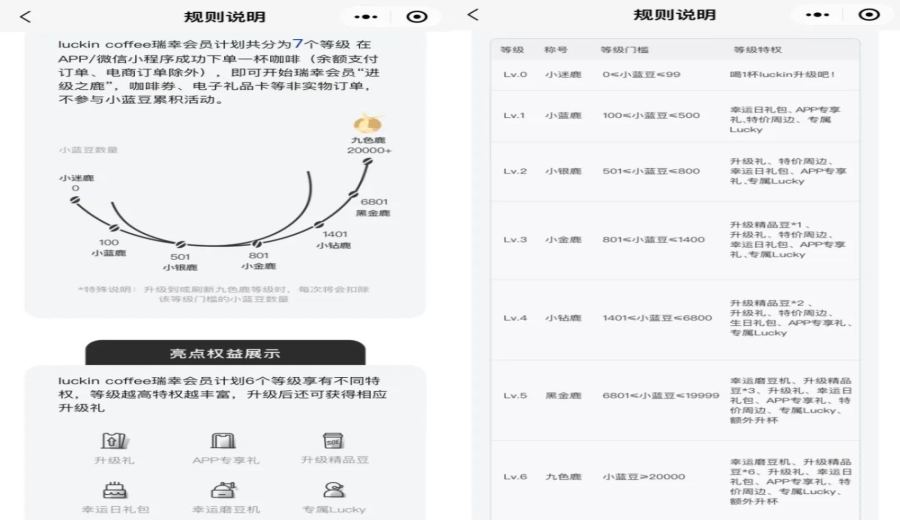
Introduction:Luckin Coffee has risen rapidly thanks to its affordable pricing and membership tier system, but high-level memberships such as Nine-Colored Deer and Black Gold Deer have become targets for some consumers aiming to “level up” artificially. This article delves into issues such as large-scale malicious orders and paid-upgrading services, exposing the underlying tactics and the pressure faced by store employees, while offering practical advice for both consumers and businesses.
Leveraging its cost-effective products and comprehensive membership system, Luckin Coffee holds a significant position in China’s coffee market. Its membership tier system was originally designed to encourage consumption, but it has unexpectedly given rise to the phenomenon of “level grinding.” In particular, top-tier memberships like Nine-Colored Deer and Black Gold Deer have become goals for some users seeking to advance quickly through irregular means.
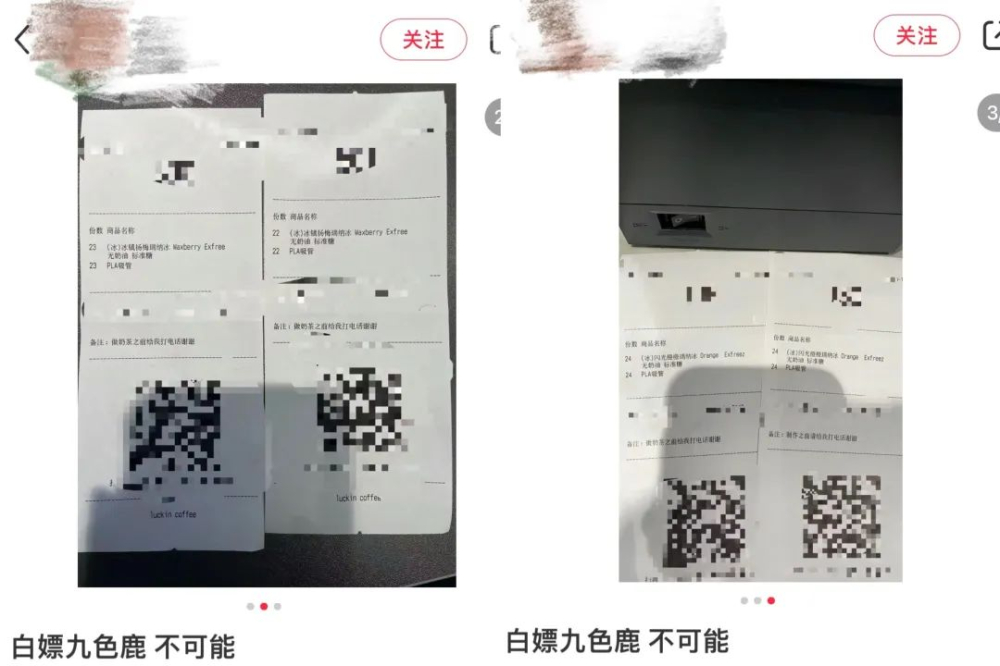
According to a current Luckin employee, there has been a recent increase in cases where the same customer places large orders of over twenty cups at once, often with remarks such as “please call before making the drinks.” These abnormal orders are frequently followed by cancellations and malicious negative reviews, adding to the operational burden on stores.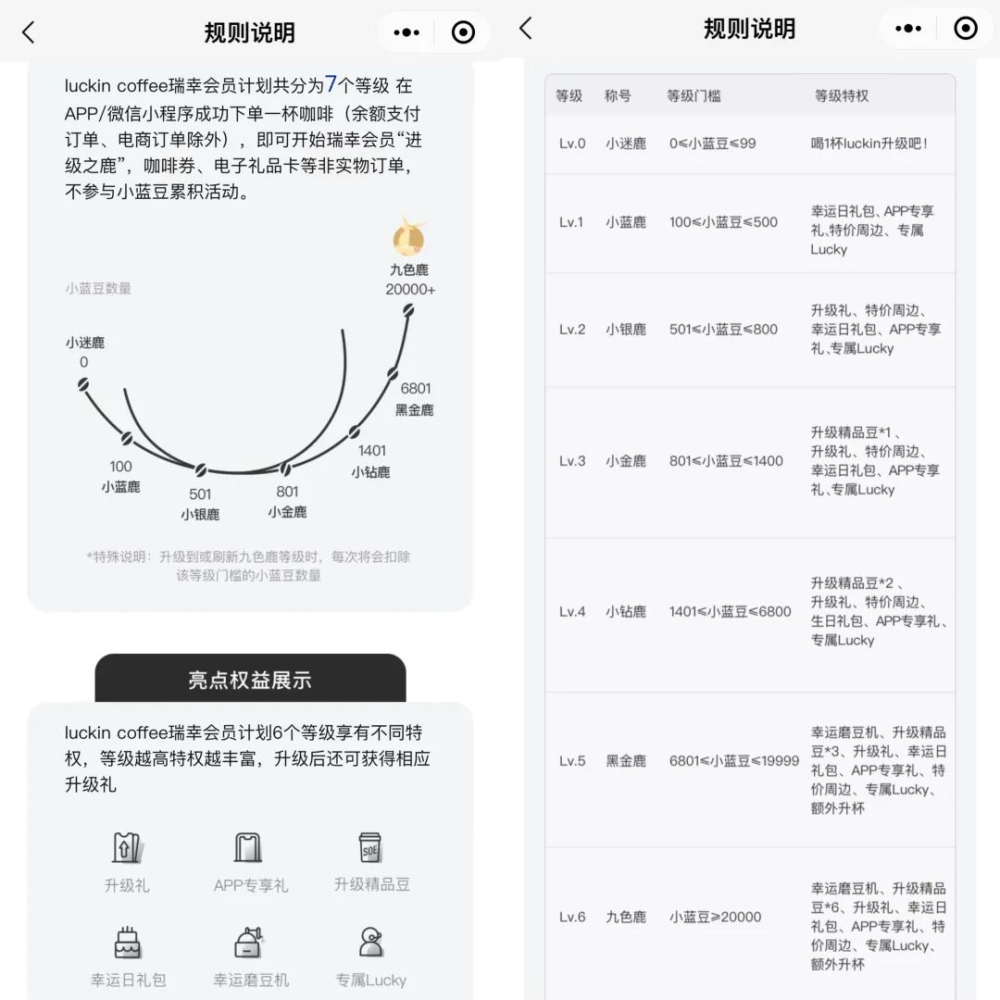
On social media platforms, so-called “Zero-to-Nine-Colored-Deer Instant Upgrade Guides” detail how to exploit system loopholes or make short-term bulk purchases to quickly reach the highest tier. However, these methods often involve practices such as mass ordering followed by refunds and creating fake consumption records—actions that not only compromise data integrity but also directly increase the workload on staff.
Notably, some consumers misunderstand the actual benefits of Black Gold Deer and Nine-Colored Deer tiers. Aside from screen domination display features, the tangible perks these high tiers offer are relatively limited. One netizen bluntly stated: “Grinding for levels isn’t very practical, but some people are just obsessed with ranking displays.”
 Such issues have extended to physical stores. Some customers, unable to capture screen domination images due to display malfunctions, have left negative reviews without first communicating with staff. In response, frontline employees appeal: “If an order seems unusual, please contact customer service directly at 4000-100-100 instead of putting pressure on on-site employees.”
A more serious problem is the appearance of search terms like “Nine-Colored Deer Level-Up Service” on second-hand trading platforms. These services claim to help users quickly achieve high-level membership status, but their operations often violate platform rules and may also put user accounts at risk.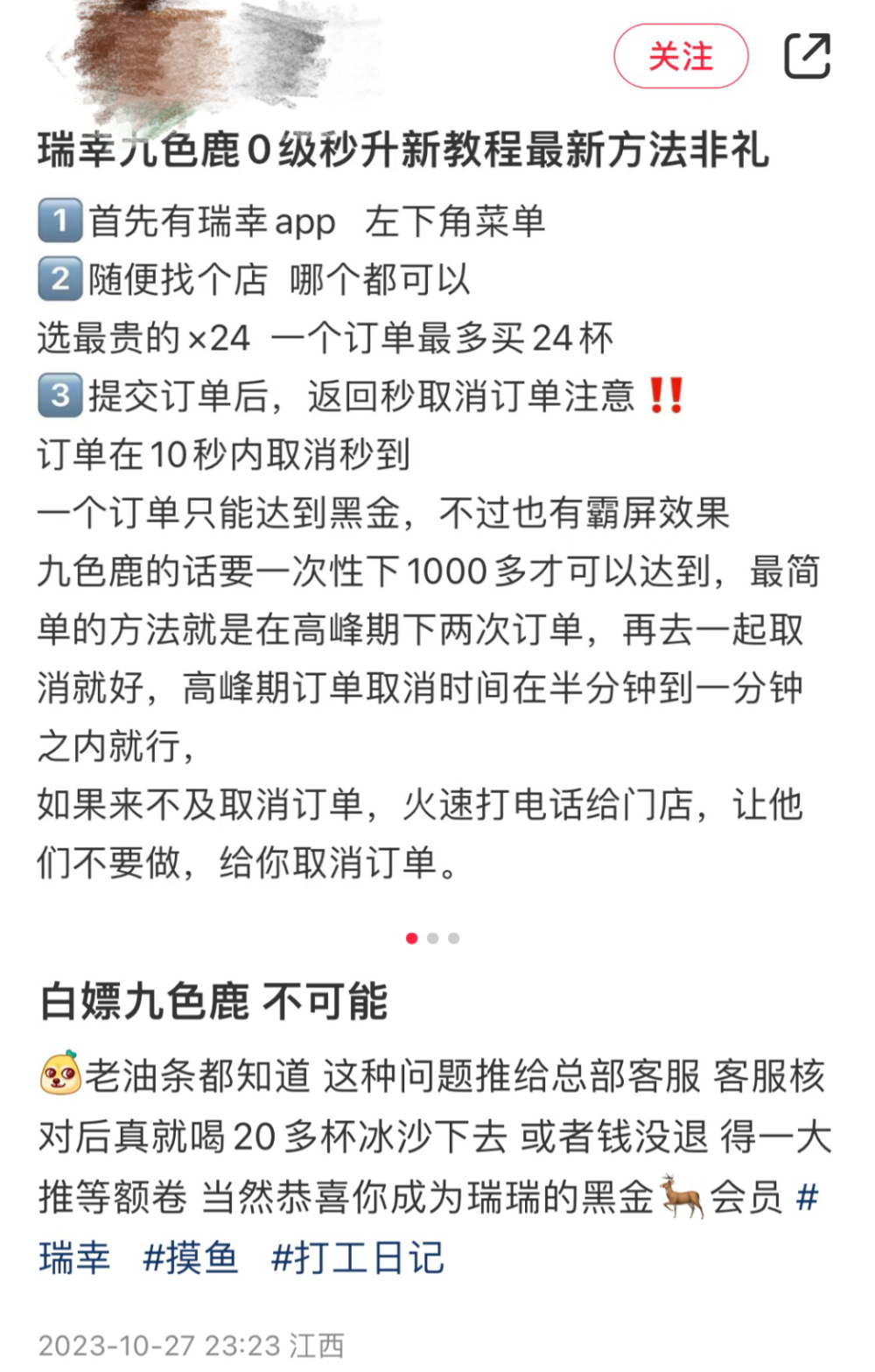
Industry experts point out that the original intent of membership systems is to build long-term relationships between consumers and brands, not to fuel short-term ranking competitions. They recommend that consumers accumulate tiers through normal consumption—both to protect their own rights and to respect the efforts of store staff. For those looking to upgrade their membership level, it is advised to consume steadily and fully understand the actual benefits of each tier to avoid falling into the trap of fake orders.
Overall, maintaining a healthy membership ecosystem requires joint efforts from the brand, consumers, and store teams. Only by using the membership system correctly can its true value be realized, creating a win-win situation for all parties involved.
The above content is compiled by CoffeeHunters, a coffee news website.


