








Introduction:Have you ever wondered why natural-process coffee beans were long considered inferior? This article will take you through the historical evolution of the natural processing method, analyzing its journey from mainstream to stigmatized, and then to its premium comeback. By understanding the limitations of early processing techniques and the refinements of modern methods, you’ll better appreciate the unique flavors of natural beans—and avoid common quality pitfalls.
In coffee enthusiast circles, it’s a common notion that natural-process coffee beans were long categorized as lower-grade beans. This may sound counterintuitive—who would think the processing method could determine a bean’s grade? In fact, this history dates back several centuries. From coffee’s first appearance on the historical stage in 1400 to the gradual popularization of washed processing in the 1850s, the natural method underwent a long transition from being the sole mainstream method to being labeled as low quality. This article will trace the evolution of natural processing, explain why it once became synonymous with subpar coffee, and how brands like Edido Mist Valley and 90+ later redefined quality standards.
Many are surprised to hear that “natural beans were once considered inferior,” especially since it’s hard to imagine that the processing method could affect a bean’s grade. In reality, this history goes back centuries. According to Middle Eastern records, coffee first appeared around 1400, while washed processing didn’t become widespread in the Caribbean islands until 1850. Before washed techniques spread, the coffee beans imported by European countries from Yemen, Java, and Latin America were almost all naturally processed. Notably, before 1750, global coffee trade relied on Yemen as a transit hub for three hundred years, so Yemen’s processing methods largely represented the mainstream at the time.
For 450 years, from 1400 to 1850, the natural method was the most common processing approach in global coffee-growing regions. Traditional natural processing involves spreading whole coffee cherries directly on the ground to dry, allowing the fruit pulp to gradually ferment and dry under the sun. When done properly, microbial activity can contribute richer flavors, pronounced sweetness, and a heavier body. However,the key lies in “proper control”—which was often the hardest part to ensure in early natural processing.
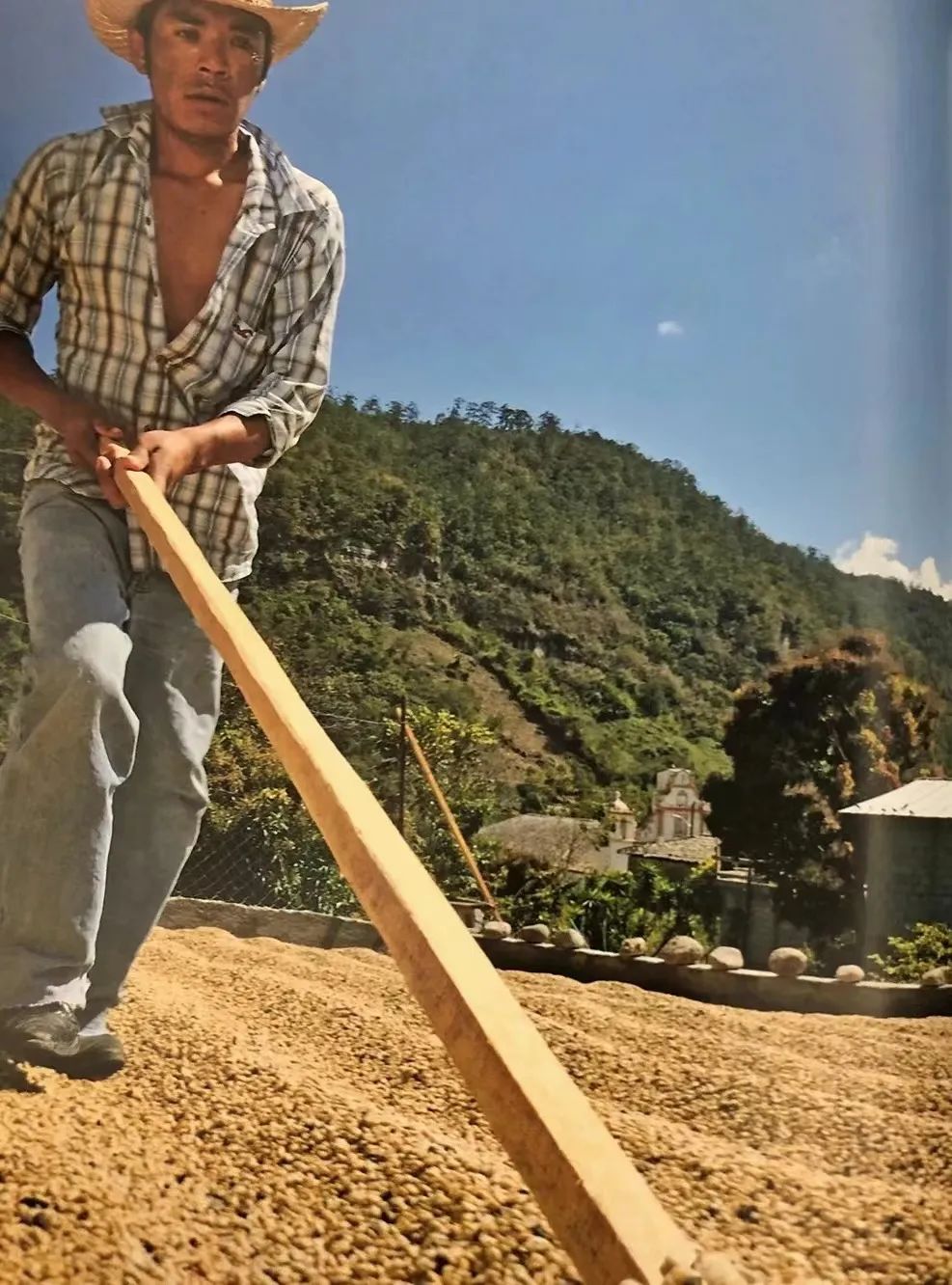
Take Yemen, for example. The reason its coffee, like Harar coffee, shares a similar wild flavor profile is not only due to similar climate conditions but also because both regions long employed similar rudimentary natural techniques. Many farmers, to save on costs and labor, would mix unripe green cherries with ripe red ones during harvest, and spread them unsorted directly on doorsteps, rooftops, roadside, or even non-moisture-proof straw mats. This practice made the cherries highly susceptible to dust contamination or moisture. Worse still, some farmers refused to discard moldy or rotten defective cherries, processing them alongside good ones. Combined with improper sun-drying time management, this often led to over-fermentation, resulting in musty and sour off-flavors. These factors caused natural beans to gradually be labeled as inferior after the emergence of washed processing.
The birth of washed processing was closely tied to changes in coffee-growing environments. When coffee was introduced to the Caribbean islands, the local humid and rainy climate posed severe challenges to traditional natural processing. The long drying times required by natural methods became even more difficult in such conditions, not only prolonging processing but also significantly increasing the risk of mold, potentially ruining entire harvests. As a result, around 1730, the West Indies began adopting pulped and mucilage-removed washed processing. Though more traditional, this localized technique laid the foundation for later washed methods. However, washed processing did not immediately become widespread at the time.
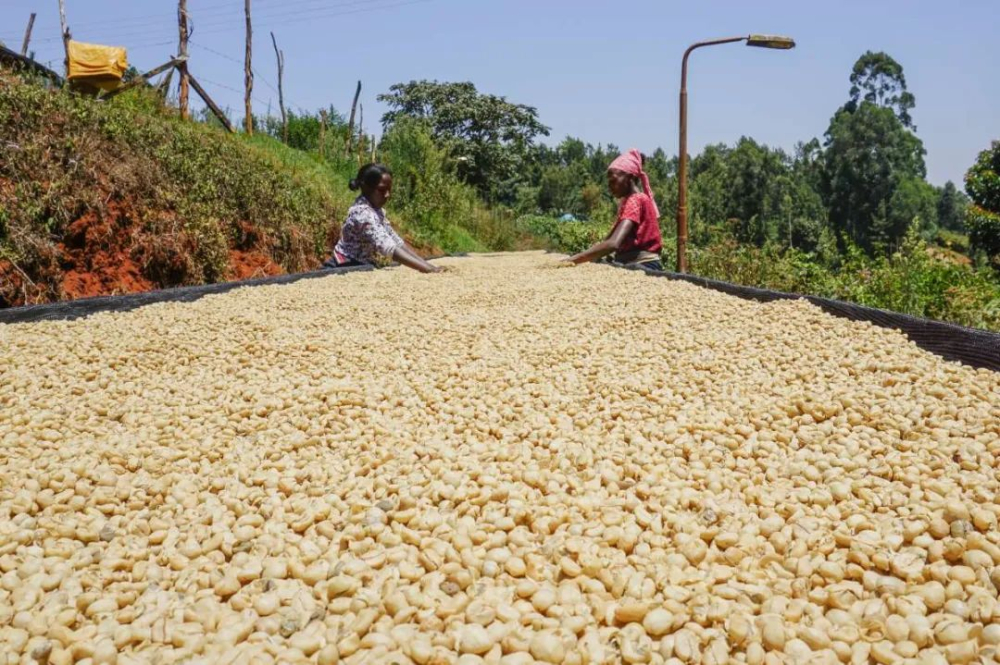
It wasn’t until around 1850 that washed processing gained true widespread acceptance. This method, with its shorter drying times and cleaner, clearer-flavored beans, gradually won market favor. Except for Brazil, which stuck with natural processing, most producing regions eventually switched to washed methods. However, washed processing also had drawbacks—it required significant water resources and was more costly. As a result, only higher-quality coffee cherries were typically processed using washed methods, while lower-quality cherries continued to be processed naturally, keeping the “inferior” label closely associated with natural beans.
The stigma around natural beans began to fade only with the emergence of two heavyweight brands. Ethiopia’s Edido Mist Valley and Panama’s 90+ chose to go against the grain, abandoning the washed processing dominant in the specialty coffee scene in favor of refined natural techniques, producing natural beans with high cleanliness and rich flavor complexity. These coffees not only shattered market stereotypes about natural beans but also prompted international competitions like BOP (Best of Panama) to introduce dedicated “natural” categories, recognizing the potential of natural processing. Today, while some natural beans still use traditional, low-quality-control methods, the vast majority of specialty natural beans can now showcase their极致 flavors under optimal conditions and meticulous management.

The above content is compiled by CoffeeHunters, a coffee news website.


