







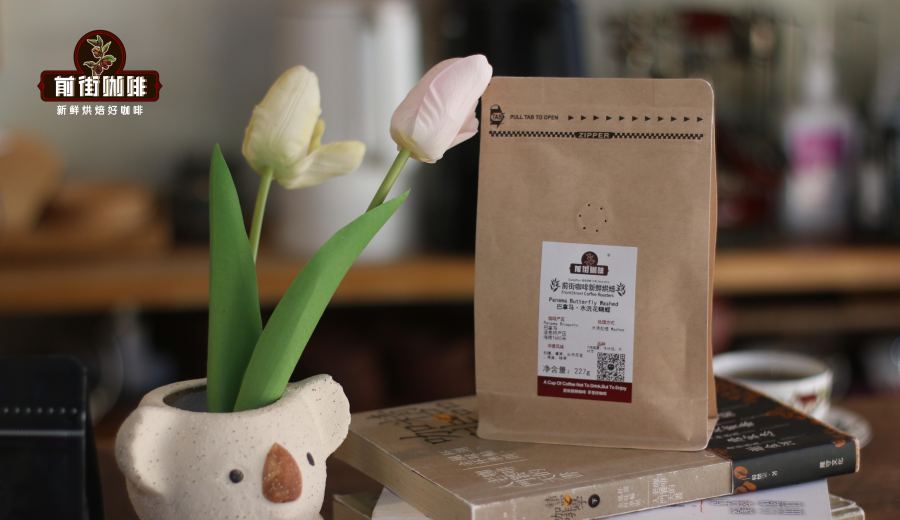
Introduction:Can the same Geisha blend coffee exhibit completely different flavor profiles when processed using natural and washed methods? This article takes an in-depth look at both the natural and washed versions of Panama Hacienda La Esmeralda’s Geisha Blend (commonly known as “Butterfly Peacock”) sold by a well-known brand. From varietal composition and regional background to actual pour over performance, we explore the distinct differences between the two in terms of aroma complexity, acidity brightness, body, and cleanliness—helping you understand how processing methods critically influence coffee flavor.
The Panama · Butterfly Peacock sold by a well-known brand is a blend of three varieties: Geisha, Caturra, and Catuai. For a long time, it has been a popular entry-level choice for coffee enthusiasts wanting to explore the Geisha profile, thanks to its affordable price and outstanding flavor. Seventy percent of its beans come from renowned washed Geisha grown in Boquete, Panama. The region’s high altitude and unique microclimate endow the coffee with rich floral and fruity notes along with a clear acidity structure.
In the market, many products labeled as “Geisha blends” are actually mixtures of Geisha with other varieties, balancing cost and flavor performance. The well-known brand’s Butterfly Peacock is one such example. With Geisha as the dominant component, complemented by Caturra and Catuai, it delivers a cup that balances depth and harmony. Though not 100% pure Geisha, the beans are grown in Panama’s renowned producing regions, resulting in impressive flavor layers that make it a high-value representation of the Geisha experience.
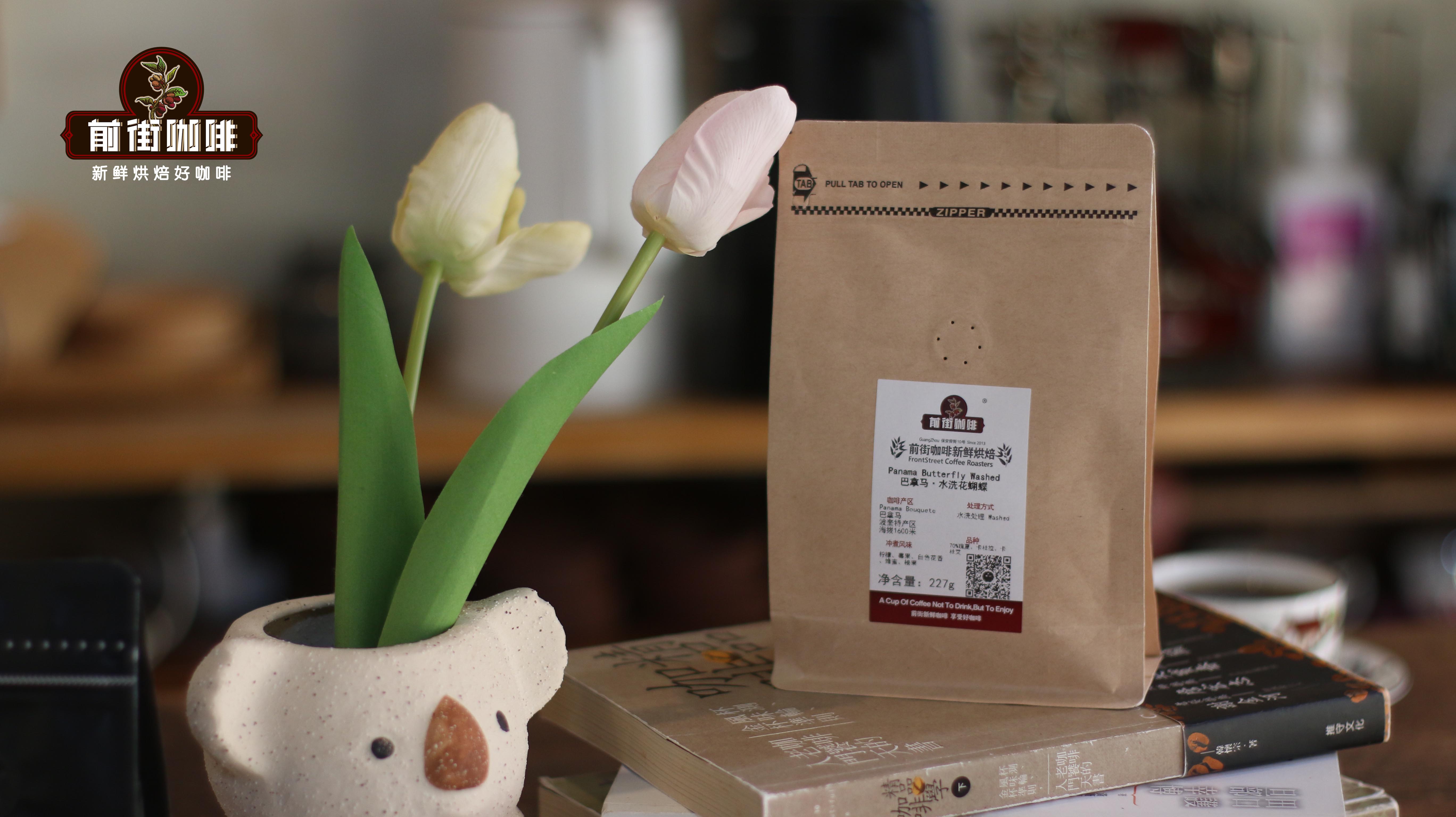
It’s worth noting that each variety in this blend comes from the Boquete region of Chiriquí Province, Panama, and all are uniformly processed using the washed method. This not only preserves the fresh and vibrant characteristics typical of Geisha but also results in a more cohesive overall flavor profile. Unlike many market offerings where batches are mixed haphazardly, this product can still be considered a specialty coffee with single-origin-like qualities.
However, when the same batch of coffee beans is processed using both natural and washed methods, the resulting flavor directions can be dramatically different. The well-known brand’s recently acquired natural-process Butterfly Peacock provides a rare opportunity for comparison, allowing us to closely examine the characteristics and impacts of these two processing methods through dimensions such as aroma, acidity, sweetness, body, and overall cleanliness.
First, understanding the basic principles of the two processing methods is key to interpreting their flavor differences. The natural process (also called dry process) is one of the oldest coffee processing methods, originating in Ethiopia around the 6th century. In this method, the entire coffee cherry is sun-dried until the fruit’s moisture fully evaporates, after which the outer husk is removed to obtain the green bean. The natural process relies entirely on weather conditions and typically takes about four weeks. During this time, the sugars and flavor compounds in the fruit gradually penetrate the seed, resulting in a coffee that is rich, sweet, and often wine-like. However, this method demands ideal environmental conditions; rain or high humidity can easily lead to abnormal fermentation or mold risks.
In contrast, the washed process (wet process) relies heavily on water and is the predominant method used in most specialty coffee regions today, such as Colombia, Costa Rica, and Panama. This method first removes the coffee cherry’s skin and part of the pulp, then places the mucilage-covered seeds into fermentation tanks where microbes break down the remaining fruit mucilage. After multiple washes, the beans are dried and hulled. The washed process excels at reducing the percentage of defective beans, shortening drying time, and highlighting the coffee’s “clarity” and “bright acidity.” The resulting flavors are more linear and clean, making it ideal for showcasing delicate citrus, floral, and green tea notes.
Returning to the actual brewing experience of the well-known brand’s Butterfly Peacock, using a V60 dripper for pour over testing, the washed version had an extraction time of approximately 2 minutes and 10 seconds. Its flavor profile was dominated by white floral notes, soft black tea, and citrus acidity, with a mouthfeel as refreshing as freshly squeezed juice. The finish carried a lingering sweetness, and the cup exhibited exceptional cleanliness and well-defined layers. These are classic traits of the washed process: emphasizing clarity and vibrant acidity, making it ideal for those who prefer a clean and refreshing cup.
In contrast, the natural-processed Butterfly Peacock presents a distinctly different personality. Because the fruit flesh and seeds undergo prolonged drying together, the sugars and fruity compounds penetrate more deeply, resulting in a coffee with richer and more layered aromas. Common notes include intense tropical fruits, berries, honey, and even wine-like tones. In terms of mouthfeel, the natural Butterfly Peacock tends to be fuller and rounder, with softer and more rounded acidity, prominent and long-lasting sweetness, and an overall flavor that leans toward richness and complexity. However, its cleanliness is slightly lower than that of the washed version, with greater flavor integration—making it better suited for coffee lovers who enjoy sweet and complex profiles.
By synthesizing practical tasting experiences with an understanding of processing principles, it becomes clear that even the same blend can yield vastly different flavor worlds in the cup, simply based on the processing method used. The washed process gives the coffee a bright, clean, and acidic single-origin-like character, ideal for those seeking clear structure and precise extraction control. Meanwhile, the natural process showcases a rich, sweet, and complex flavor profile, better suited for those who prefer fruity intensity and ample sweetness.
Whether you’re a beginner in pour over brewing or a seasoned coffee enthusiast looking for new flavor experiences, understanding how processing methods influence flavor can help you more accurately select beans that match your taste preferences. It also enables you to make more suitable adjustments to pour over parameters and extraction strategies, further enhancing the depth and enjoyment of your coffee tasting experience.
The above content is compiled by CoffeeHunters, a coffee news website.


