








Introduction:Kenyan coffee is renowned for its SL series, but pests and diseases have always been a concern. Ruiru 11, as a representative high-yield and disease-resistant variety, has been widely favored by farmers since its introduction in 1985. However, it has also sparked discussions due to controversies over its flavor. This article delves into the breeding background, cultivation advantages, and market challenges of Ruiru 11, helping readers understand the actual performance and potential of this coffee variety.
Kenyan coffee has long been known for its SL series varieties, which, although performing well in cupping, are relatively weak in resistance to pests and diseases. To address this challenge, the Kenyan coffee industry has gradually shifted toward developing new varieties that combine disease resistance with climate adaptability, among which Ruiru 11 is the most representative example. How was this variety born in an environment ravaged by diseases? Why has it gained popularity among farmers while also sparking controversy over its flavor? Let’s explore the breeding history and market performance of Ruiru 11 together.
Dating back to 1968, Kenya experienced a large-scale outbreak of coffee berry disease (CBD), which damaged approximately half of its coffee production capacity. In the 1970s, the coffee research station in Ruiru initiated a systematic breeding program aimed at developing CBD-resistant varieties, and Ruiru 11 was born under such circumstances, officially launched in the market in 1985.
According to data from the World Coffee Research organization, Ruiru 11 has a highly diverse genetic background, incorporating genetic material from multiple varieties including Catimor, Rume Sudan, Bourbon, K7, N39, and SL28. This diverse genetic combination not only gives Ruiru 11 disease-resistant capabilities but also enables it to grow stably in various environments.
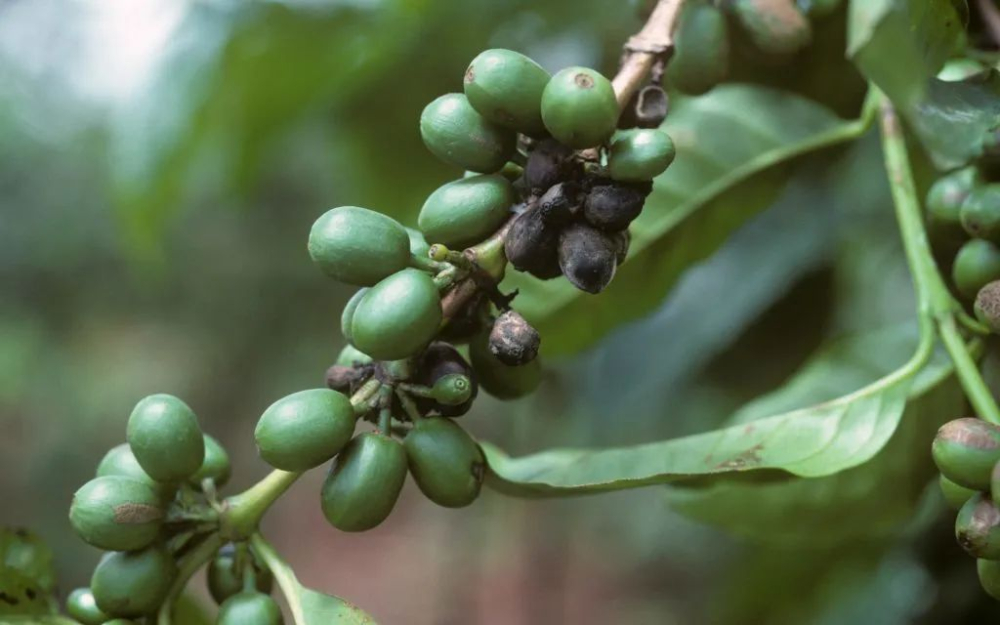
Compared to other varieties with longer growth cycles, Ruiru 11 can usually complete its first harvest within two years after planting. Its compact and short plant structure allows growers to plant more coffee trees in limited space, thereby increasing yield per unit area. Additionally, Ruiru 11 requires relatively less pesticide and fertilizer, helping to alleviate the economic burden on farmers.
Under ideal cultivation conditions, up to 3,000 Ruiru 11 plants can be planted per hectare of land, continuously and stably producing a large quantity of fruits, which is one of the key reasons why it is highly favored by growers.
However, despite its significant advantages in cultivation, some Kenyan farmers still have doubts about whether the flavor of Ruiru 11 can match that of the SL series varieties, worrying that this might affect the selling price of the coffee. In fact, many consumers cannot clearly distinguish the flavor differences between Ruiru 11 and SL varieties, which is partly because Ruiru 11 is still considered a “young” variety, and its sensory characteristics have not yet been fully studied or understood.
Moreover, the large-scale propagation of Ruiru 11 relies on artificial pollination, and producing enough seeds to meet farmers’ needs is not easy. Growers hope that coffee research institutions can address this issue by increasing seed yield and expanding seed supply channels to further promote this variety.
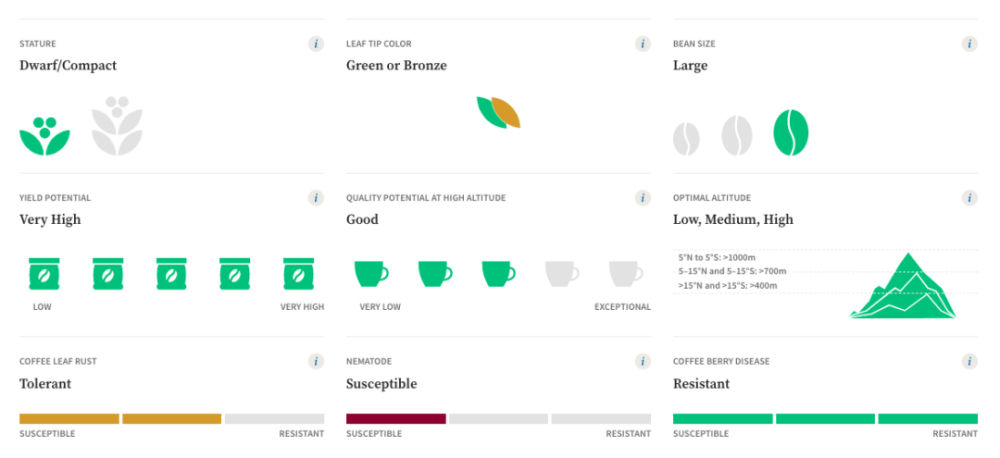
Ruiru 11 exhibits broad tolerance to multiple major diseases, making it a practical choice for coffee cultivation in Kenya. Some researchers and producers believe that as the variety continues to evolve, Ruiru 11 will better adapt to Kenya’s soil and climate conditions, and further research around this variety is also expected in the future. However, the realization of this vision still depends on whether seed supply can keep up with demand.
The above content is compiled by CoffeeHunters, a coffee news website.


