







Introduction:Recently, some consumers reported black rust spots appearing on the inner lining of Starbucks’ Starry Rabbit stainless steel tumbler, sparking a quality controversy. This article delves into the possible causes of rust in stainless steel tumblers, offers correct usage and cleaning advice, and analyzes the brand’s after-sales process to help readers avoid common misconceptions and extend the lifespan of high-value accessories.
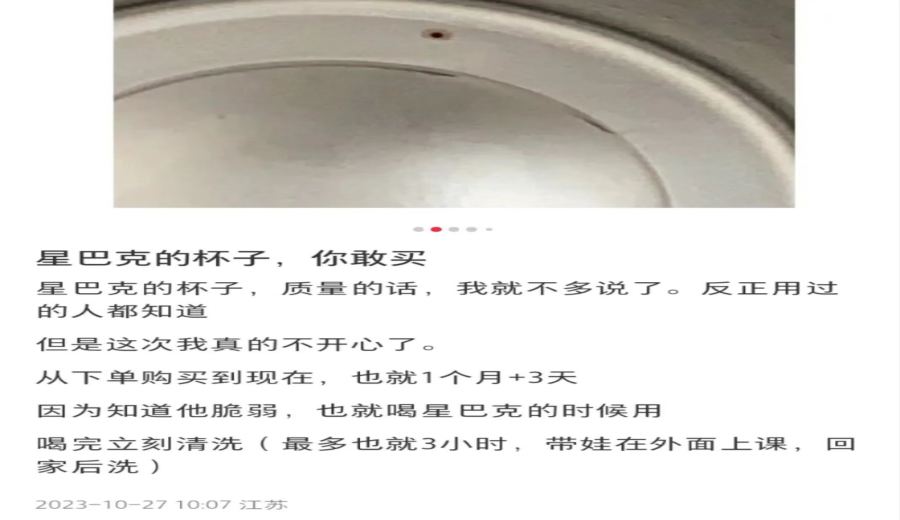
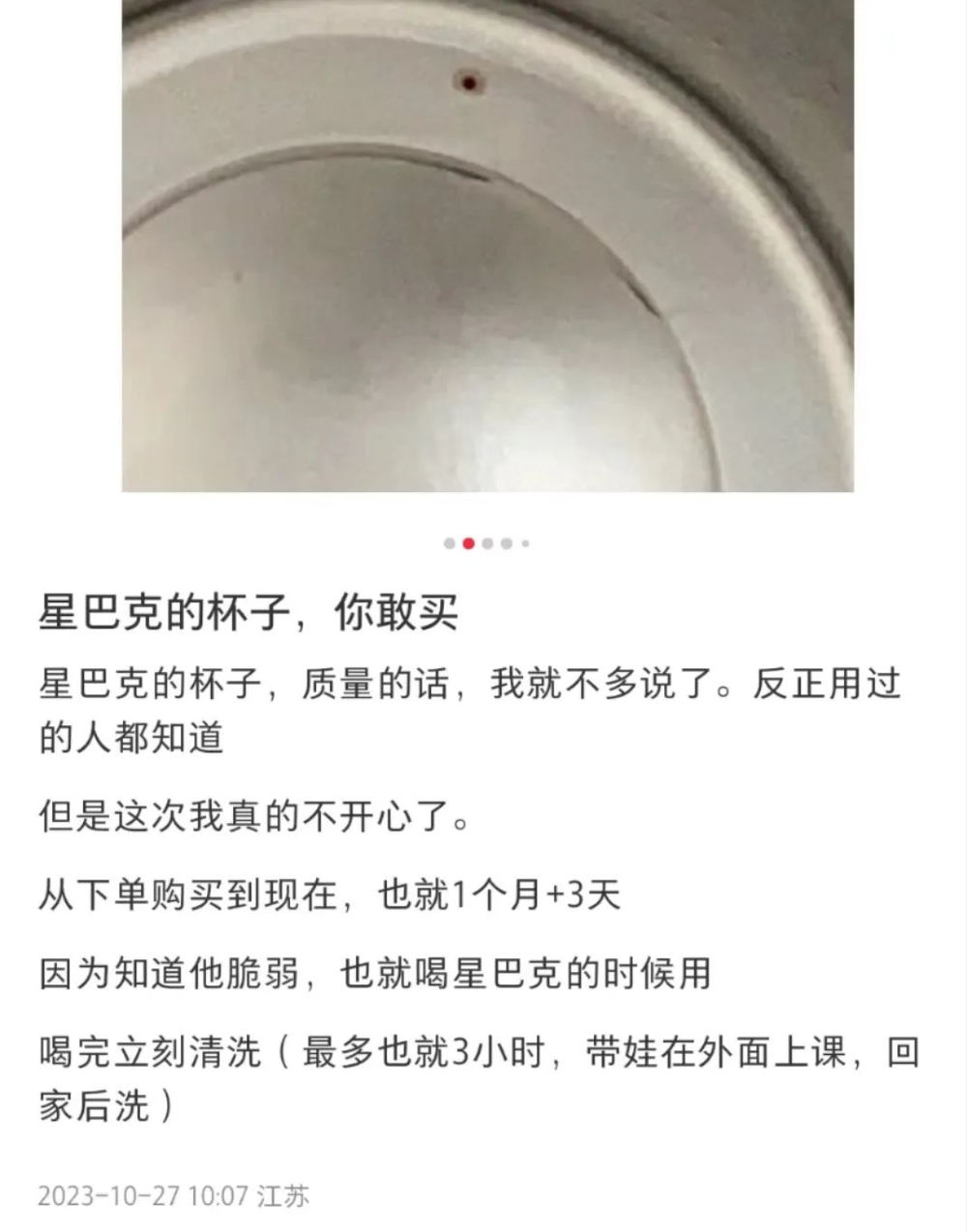
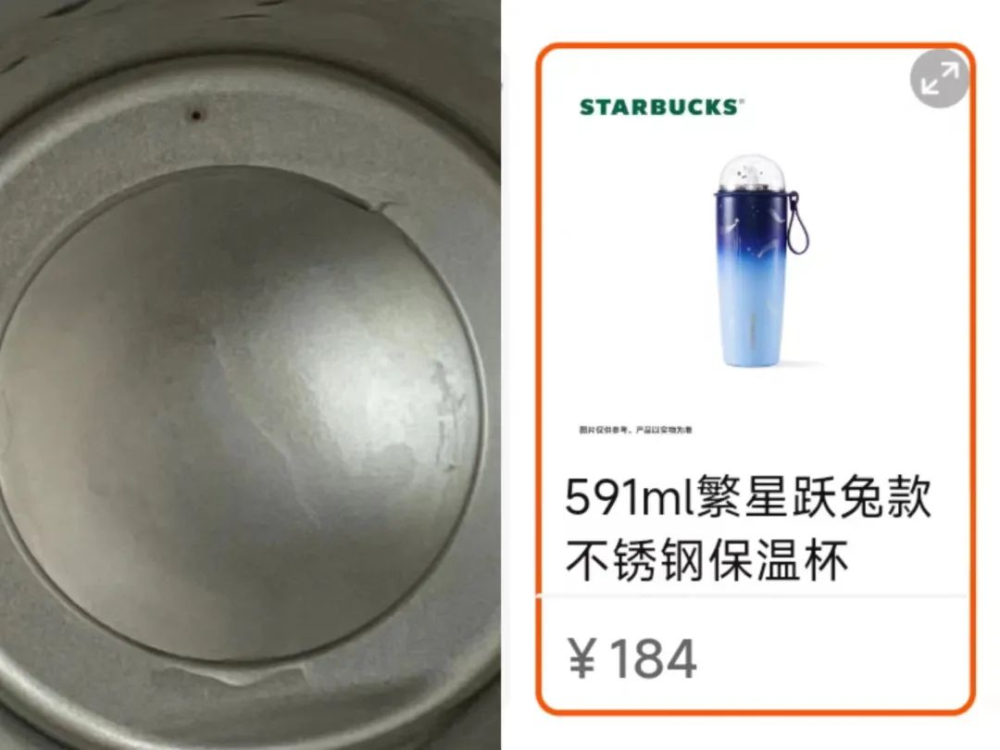
It has become common for chain coffee brands to launch merchandise, from tumblers to tote bags, not only generating additional revenue but also deepening customer loyalty. However, when these popular products exhibit quality flaws, it often leads to disputes between consumers and brands over after-sales service. Recently, one netizen shared that their 591ml Starry Rabbit stainless steel tumbler purchased from Starbucks (official price 184 RMB, purchased at 369 RMB) developed noticeable black rust spots on the bottom of the inner lining after just over a month of use.
According to the user, the tumbler was mainly used for holding Starbucks Hazelnut Flavored Latte, and was washed immediately after each use, with no more than three hours of idle time. Faced with this situation, the consumer first requested an exchange from Starbucks but was told it was “beyond the after-sales time limit.” Although the original order was placed just over a month ago (33 days), the request was denied due to exceeding the brand’s stipulated return or exchange period and the inability to confirm the actual usage environment.
This response quickly sparked heated discussion among netizens, with many sharing similar experiences: “Rust spots appeared after just a few uses,” “Internal corrosion noticed shortly after first purchase.” Some consumers directly questioned Starbucks’ quality control capabilities, arguing that high-priced products should not have basic material issues. “Clearly a structural defect caused by uneven raw material mixing,” “Eye-catching appearance but questionable practicality.” Others blamed personal usage habits, pointing out that “stainless steel tumblers are not suitable for long-term storage of acidic or dairy-containing beverages,” and suggested opting for ceramic brewing cups instead.
Regarding the common causes of rust in stainless steel tumblers, industry experts point out that it is mainly related to the material grade, usage environment, and cleaning methods. While general 304 or 316 medical-grade stainless steel has good corrosion resistance, prolonged contact with acidic liquids such as coffee and milk tea, or improper cleaning (such as using steel brushes or strong detergents), can still gradually lead to oxidation reactions. Especially if the inner walls are not thoroughly dried after washing, residual water stains reacting with the metal surface can more easily form rust spots.
Three days after the incident gained traction, the original poster updated the progress, stating that after multiple rounds of customer service coordination, Starbucks finally agreed to replace the rusty tumbler. While this outcome resolved the individual case, it highlighted room for improvement in the brand’s quality control of merchandise and flexibility in after-sales service.
For consumers, when purchasing high-value stainless steel drink containers, it is recommended to first confirm the material grade (such as 304/316), avoid holding highly acidic drinks for more than 30 minutes, and develop the habit of immediate washing and thorough drying after use. If minor rust spots appear initially, try gently wiping them with a neutral detergent and a soft cloth, and avoid using metal abrasives to scrape them off. More importantly, keep complete purchase receipts and pay attention to the after-sales policy time limits published by the brand to effectively protect your rights when encountering similar issues.
This case reminds all coffee enthusiasts that when choosing merchandise, one should not be attracted solely by design aesthetics, but also pay attention to practical usage needs and material characteristics. Brands, on the other hand, while pursuing product design aesthetics, should strengthen quality inspection standards and provide more flexible customer service solutions to truly build long-term customer trust.
The above content is compiled by CoffeeHunters, a coffee news website.


