







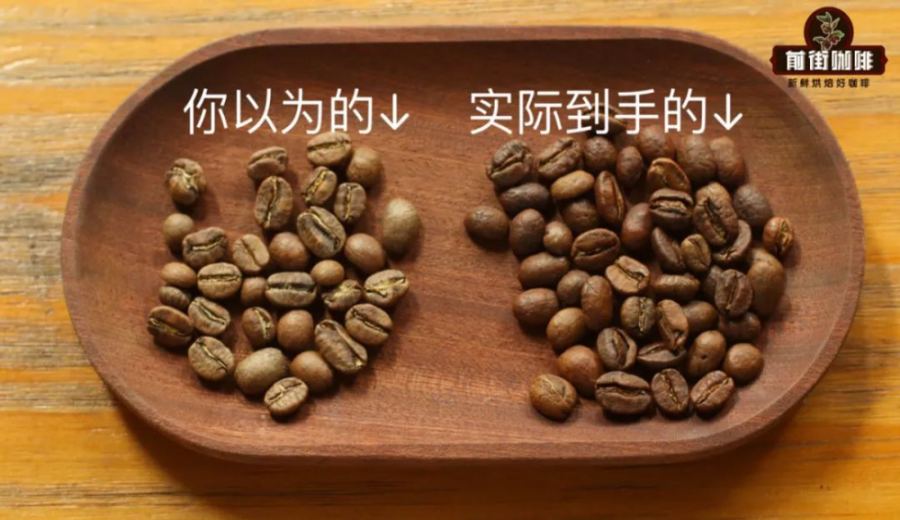
Introduction:Many coffee enthusiasts have noticed that beans labeled as medium roast often appear darker in color, or even display noticeable color variations within the same bag, raising concerns about uneven roasting. In reality, this may be closely related to the bean processing method. This article delves into the principle behind how coffee beans gradually turn brownish during roasting through the caramelization reaction, explains how special processes such as honey processing affect the surface color of the beans, and introduces how roasters use color value indicators to accurately determine the degree of roasting, helping readers more scientifically identify the roasting status.
Many coffee consumers, upon receiving coffee beans labeled as medium roast, often wonder: why does the color look closer to dark roast? Or why do beans within the same pack show significant color differences, does this indicate uneven roasting? In fact, such situations may not stem from quality control issues, but are more likely directly related to the processing method used for the beans.
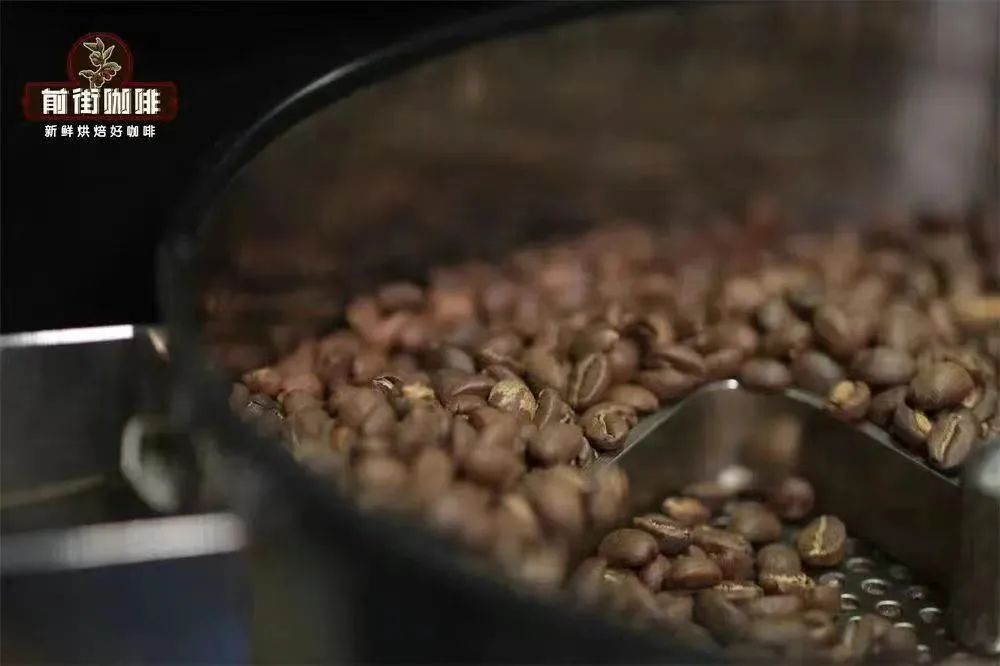
The transformation of coffee beans from their initial green color to the familiar brownish hue is primarily due to the “caramelization reaction” during roasting. When the beans enter the first crack stage, not only do the aroma and flavor significantly improve, but the internal sugar components also accelerate browning, resulting in a darker surface tone for the beans.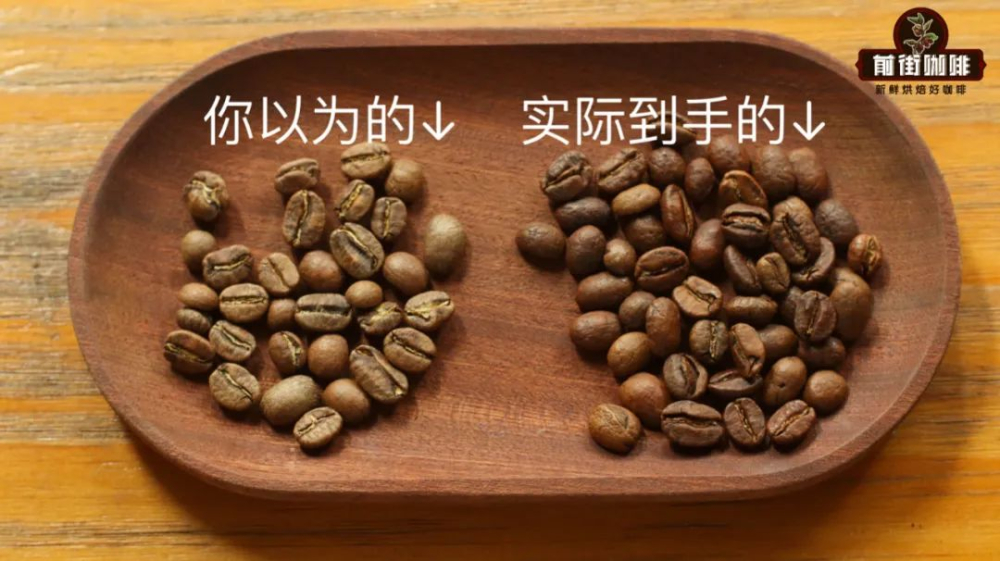
If you purchase freshly roasted beans where the packaging suggests a light roast, but upon opening you find the color to be darker than expected, it’s very possible that the beans were processed using honey processing or some other special method.
Honey processing falls between traditional natural (sun-dried) and washed methods. The process usually starts with removing the coffee cherry's skin but retaining some of the mucilage layer. The beans, still coated with mucilage, are then evenly spread on drying beds to dry. During this process, the natural sugars in the mucilage gradually adhere to the bean surface as moisture evaporates. Since the amount of mucilage adhering to each bean’s surface varies, the final dried beans exhibit differences in color depth.
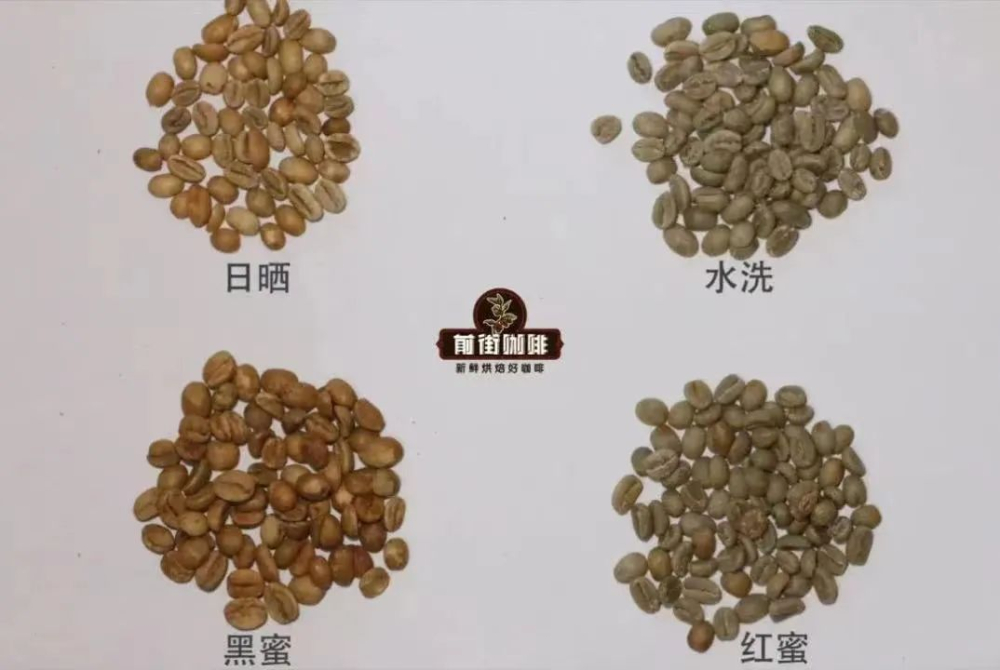
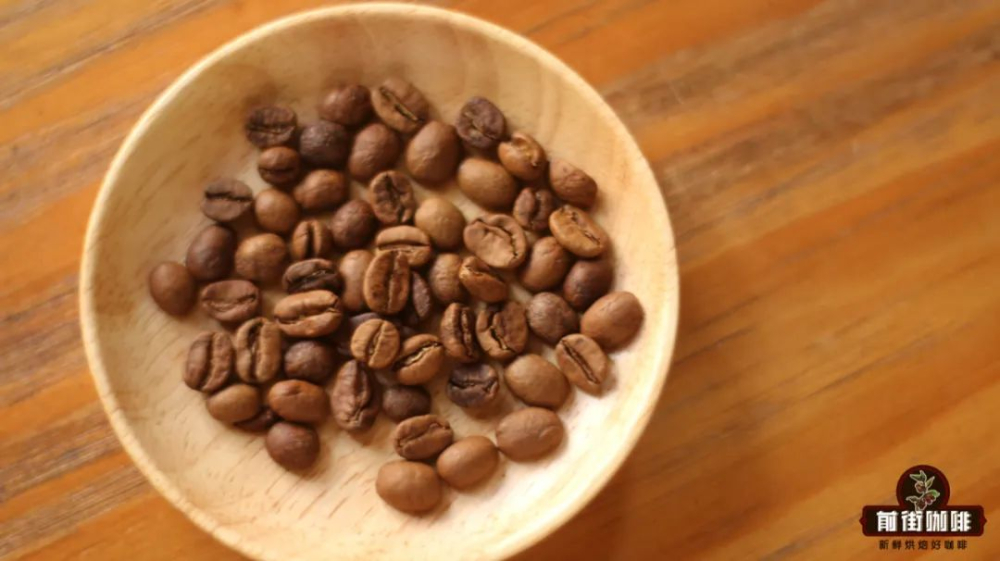
As a result, even at the same roast level, honey-processed beans often appear darker than washed or natural beans. This visual difference often leads consumers to mistakenly assume over-roasting, when in fact it is a natural outcome of the processing method.
So, how do professional roasters accurately determine the roast level of coffee beans? They typically rely on color value indicators, comparing them against internationally recognized color charts or using specialized color measurement instruments to evaluate the depth of the bean surface color. This helps determine whether the desired roast target has been achieved — for example, medium roast usually corresponds to a specific range of color values. This method effectively eliminates visual errors and ensures roast consistency.
In summary, if you find that the coffee beans labeled as medium roast in your hands appear darker than expected, it is advisable to brew and taste them first, rather than immediately concluding that the roast is a failure. Understanding the relationship between the bean processing method and roast color values can help you more objectively assess the true flavor potential of each bag of beans, avoiding judgments based solely on color.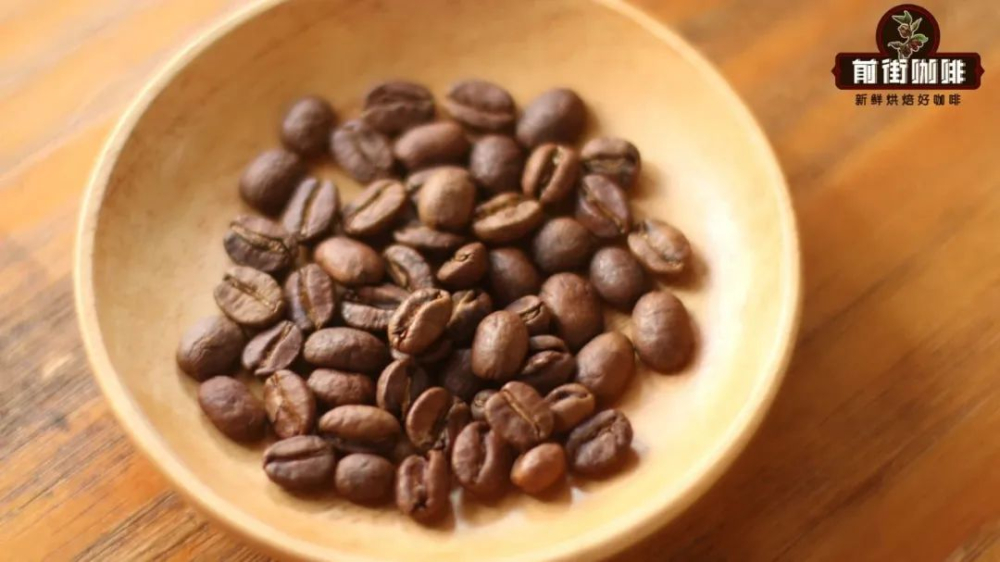
The above content is compiled by CoffeeHunters, a coffee news website.


