







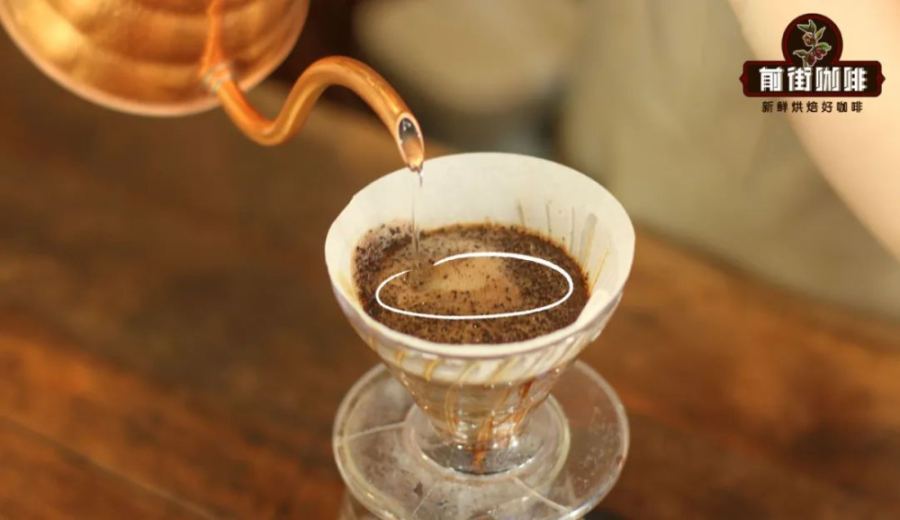
Introduction:When brewing pour over coffee, many coffee enthusiasts prefer using the circular pouring method rather than single-point or stirring techniques. This choice is not just about feel—it’s based on actual extraction considerations. This article delves into the science behind circular pouring, exploring how it helps achieve more even extraction, reduces the risk of over-extraction, and maintains balanced coffee flavors. Understanding these details can help you brew consistently high-quality pour over coffee at home with uniform taste.
During the pour over process, the vast majority of brewers opt for circular pouring rather than single-point pouring or using stirring tools. This preference actually reflects a careful assessment of extraction uniformity and the risk of over-extraction. Through observation and practical testing of pouring methods, we find that circular pouring not only leads to more stable extraction but also effectively avoids the bitter flavors caused by localized over-extraction.
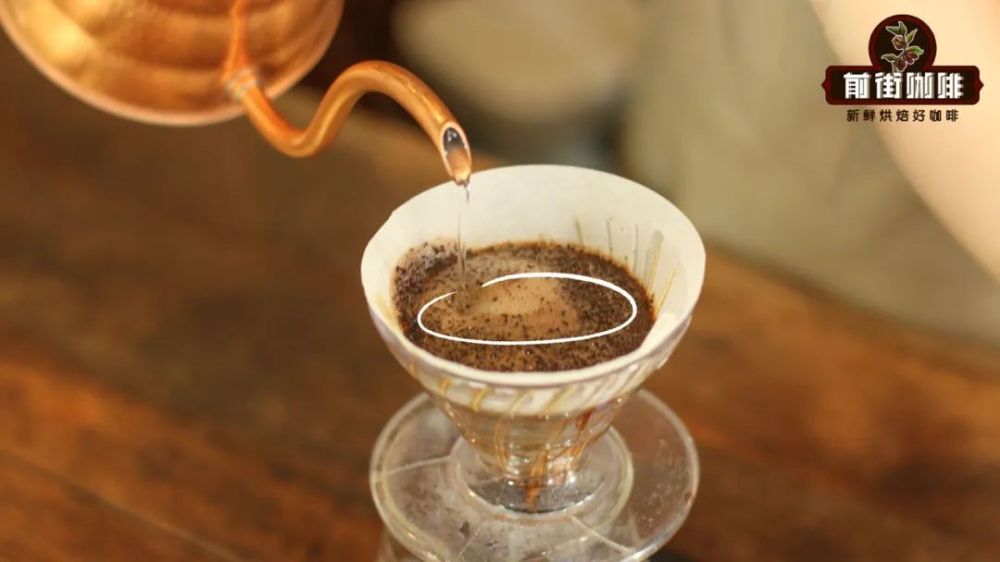
If you ask an experienced barista why they choose circular pouring, they might answer without hesitation: “It results in more even extraction.” But if you dig deeper and ask why not use a fixed single-point pour like some Japanese pour over methods, the answer becomes less straightforward. In fact, circular pouring is not just a matter of feel—it ensures that the entire coffee bed in the filter is evenly affected by the water flow, thereby releasing consistent and complete flavor compounds.
To put it simply, imagine brewing medicinal granules when you have a cold. If you just let hot water sit and steep, you’ll often end up with uneven concentration: the top layer is weak and tasteless, while the bottom is overly strong and bitter, possibly with undissolved granules at the base. Naturally, you’d stir with a spoon to distribute the ingredients evenly. Similarly, in pour over coffee, using only a single-point pour means only the area directly hit by the water gets fully extracted, while the surrounding coffee grounds remain largely untouched.

In practice, you’ll notice that with a fixed-point pouring method, after several pours, only the area around the pour point generates a lot of foam, while other areas show little to no change. This indicates that the coffee grounds not reached by the water barely participate in the extraction process, resulting in imbalanced coffee flavors—some parts over-extracted, others under-extracted.
Therefore, most pour over procedures do not recommend using only a single-point pour throughout the entire process. Instead, they suggest combining it with circular pouring to ensure that coffee grounds in different parts of the filter are rinsed and soaked by the water flow, achieving more consistent extraction. However, circular pouring isn’t the only way to agitate the coffee bed—methods like Z-shaped pouring, spiral pouring, or even using tools to stir can produce similar agitation effects. So why is circular pouring still the most widely used and considered the most practical method?

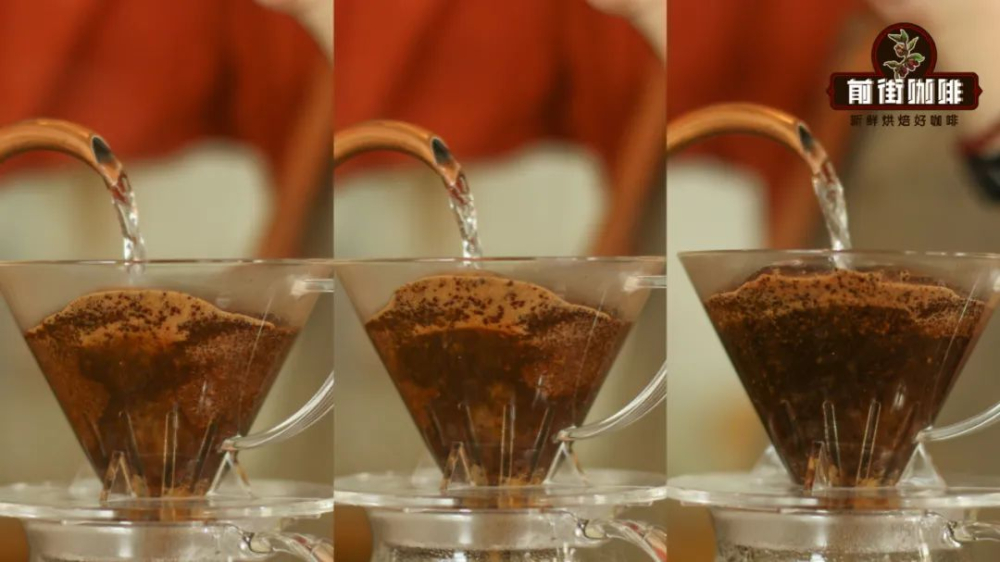
First, compared to other irregular pouring methods, circular pouring allows for better control over the turbulence caused by the water flow. Irregular agitation—such as randomly changing the pour direction or using vigorous stirring—can create unstable turbulence in the filter, affecting the settling and extraction efficiency of the coffee grounds. These unstable factors may increase the risk of over-extraction, leading to unnecessary bitterness or a gritty mouthfeel.
Additionally, while coffee contains a wealth of positive flavors like fruity acidity and sweetness, it also harbors the potential for bitter, woody off-flavors from over-extraction. If you use overly aggressive stirring techniques—like the cross or infinity symbol stirring often seen in siphon brewing—while these can quickly release compounds, they also tend to extract undesirable flavors, making the coffee taste medicinal and bitter. Therefore, pour over coffee emphasizes a gentle and stable extraction process, and circular pouring strikes a balance between these two needs.
Overall, circular pouring has become the mainstream technique in pour over coffee because it enhances extraction uniformity while effectively controlling the risk of over-extraction and minimizing unnecessary turbulence interference. For beginners or coffee lovers aiming for stable brewing performance, it’s a pouring strategy with high fault tolerance, simple operation, and noticeable results. By mastering the right pour height, speed, and range, you can use circular pouring to brew pour over coffee with balanced flavors and distinct layers.
The above content is compiled by CoffeeHunters, a coffee news website.


