







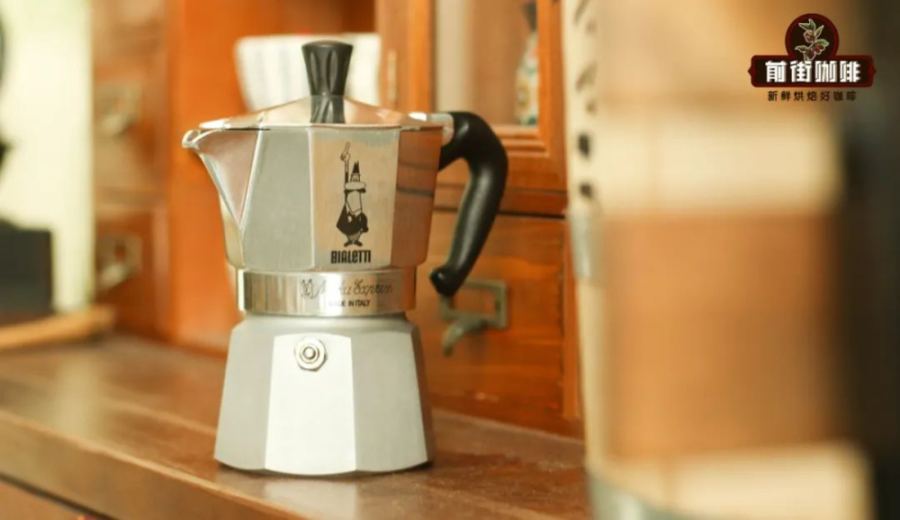
Introduction:Many coffee enthusiasts opt for single-valve moka pots due to budget considerations, yet often struggle with insufficient and quickly dissipating crema. This article will delve into how selecting suitable dark roast coffee beans, mastering the correct grind size and dosing techniques can effectively enhance the crema performance of a moka pot. Even without changing your equipment, you can enjoy a rich and full-bodied taste close to that of an espresso.
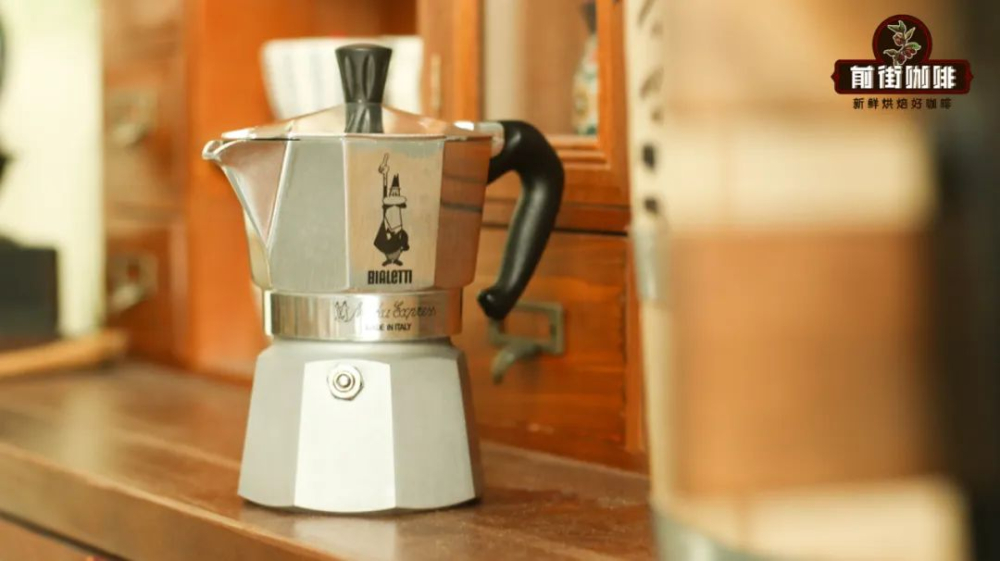
Many drinkers who love the flavor of espresso-style coffee, due to the high cost of semi-automatic espresso machines, have turned to more cost-effective single-valve moka pots. While moka pots are easy to use and affordable, the extracted crema is often thin and dissipates quickly—especially when making milk-based coffee drinks, where it’s difficult to achieve a smooth mouthfeel or delicate latte art. In fact, by mastering the right coffee bean selection, grinding, and tamping techniques, you can extract richer and longer-lasting coffee crema even without switching equipment.
Why is it difficult for single-valve moka pots to produce thick crema? The key lies in the pressure difference. Espresso machines can deliver extraction pressure of 9 bar or higher. Under such high pressure, carbon dioxide in the water combines with insoluble substances to form stable crema (what we call the “crema”). In comparison, even at full flame, the pressure in a single-valve moka pot is still far below 9 bar, so the crema performance naturally cannot match that of professional machines. However, by optimizing coffee bean selection and adjusting operational details, you can still significantly improve the texture and longevity of the crema.
To extract richer crema using a single-valve moka pot, the choice of coffee beans is paramount. It is recommended to prioritize dark roast beans. Due to their deeper level of roasting, the internal structure becomes looser, which helps release more carbon dioxide and thus promotes crema formation. Additionally, freshly roasted coffee beans that are within their prime flavor period retain higher levels of internal carbon dioxide, which is also one of the key factors influencing crema performance.
Among the many dark roast coffee beans, there are three common and suitable options for single-valve moka pots. The first is a dark roast with notes of pine, dark chocolate, and herbs, producing a fine crema, a rich and mellow taste, and low acidity. The second type features flavors of roasted peanuts, chocolate, and cream, with its crema layer typically exuding a distinct nutty aroma, offering a balanced taste with gentle fruit acidity. The third is a classic Italian blend, known for its hazelnut and malt sugar flavors, with subtle acidity, especially well-suited for moka pot extraction—it can easily bring out a dense crema.

In addition to the type of beans, grind size is another important parameter affecting the crema performance of a single-valve moka pot. The grind size needed for a moka pot falls between that of pour over and espresso—finer than pour over but slightly coarser than espresso. If the grind is too coarse, the hot water passes through too quickly, leading to under-extraction and sparse crema. Conversely, if it’s too fine, excessive pressure may prevent the liquid from rising smoothly, and could even risk the pot cracking. Therefore, whether using a hand grinder or electric grinder, it is recommended to adjust the grind slightly coarser than your usual espresso grind to maintain stable extraction pressure and flow rate.
Dosing is also a key step in controlling pressure and channeling effects. Depending on the capacity of the moka pot, a standard three-cup pot typically requires about 19 grams of coffee grounds. After dosing, gently level the coffee surface, then lightly tap it from side to side to ensure an even and compact coffee bed, which helps reduce uneven water flow. If using a slightly coarser grind, you can lightly press the coffee bed to increase resistance; if the grind is finer, it is advised to avoid additional pressing to prevent obstructing the water flow. Once dosing is complete, add about 110 ml of hot water to the lower chamber, reassemble the filter basket and upper chamber, and begin heating.
During the heating process, when the crema begins to cover the silver heating area at the bottom of the pot, that’s the optimal time to stop heating. At this point, the remaining coffee can be extracted using the residual heat of the pot. This method not only helps control extraction time but also avoids over-extraction and bitterness. For users of double-valve moka pots, which feature a dual-pressure relief design, the crema layer is often even richer, and the same techniques apply to further enhance extraction quality.

The above content is compiled by CoffeeHunters, a coffee news website.


