







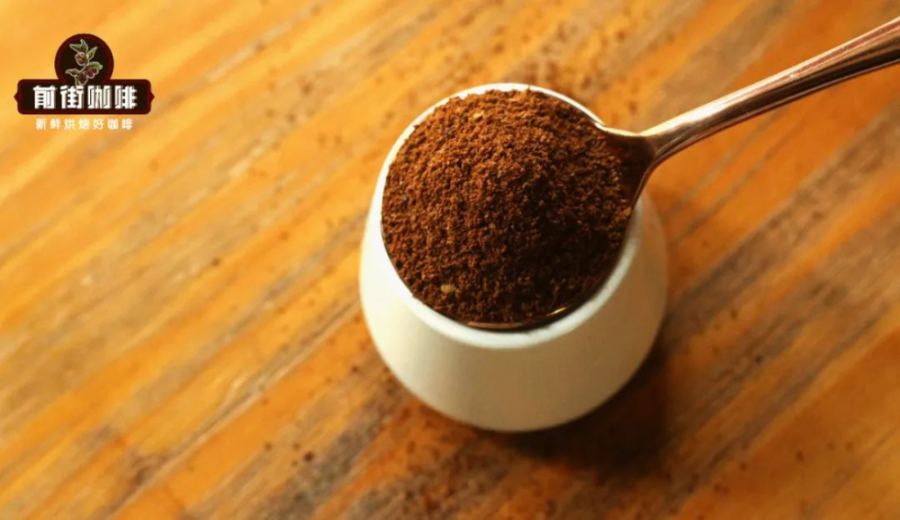
Introduction:The flavor of pour over coffee is influenced by many factors, and grind size is one of the most difficult parameters to describe intuitively. The particle size produced by different grinders varies greatly, making it hard to communicate solely through words. This article uses common household seasonings such as fine salt, fine sugar, coarse sugar, and sea salt-like textures to help readers establish an intuitive understanding of grind size. Through a real pour over process, it teaches you how to gradually blind-test the most suitable grind setting by observing the bloom, flow rate, and coffee grounds condition, thereby improving the consistency of each pour over brew.
Among the many variables in pour over coffee, grind size is the most challenging aspect to convey accurately with simple words. Every coffee enthusiast uses grinders of different models, and even experienced baristas often rely on common seasonings like fine salt, sugar, or sea salt as analogies when discussing grind coarseness with customers, to quickly communicate the state of the coffee particles. Although this method isn’t 100% precise, it’s an effective way to help beginners quickly grasp basic brewing concepts.
Understanding the basic classifications of coffee ground coarseness is the key first step in adjusting to achieve the ideal extraction flavor. Common analogies include fine salt, fine sugar, coarse sugar, and sea salt-like textures—these are reference standards derived from the appearance, texture, and actual extraction performance of the particles.
The so-called"fine salt"-like coffee grounds are extremely fine and uniform in texture, feeling loose to the touch with almost no noticeable granules. This fineness typically appears in high-pressure extraction environments, such as moka pots or other pressurized brewing devices. Under high temperature and pressure, fine grounds can effectively release oils and enhance extraction efficiency, but they are not recommended for regular pour over use, as they can easily lead to over-extraction.
"Fine sugar"is the most commonly used analogy for pour over grind size. It feels dense yet slightly gritty, with distinct grains but no obvious clumps. This grind size is suitable for most light to medium roasted coffee beans, especially highlighting floral and fruity aromatic compounds, and is the preferred setting for many pour over enthusiasts.
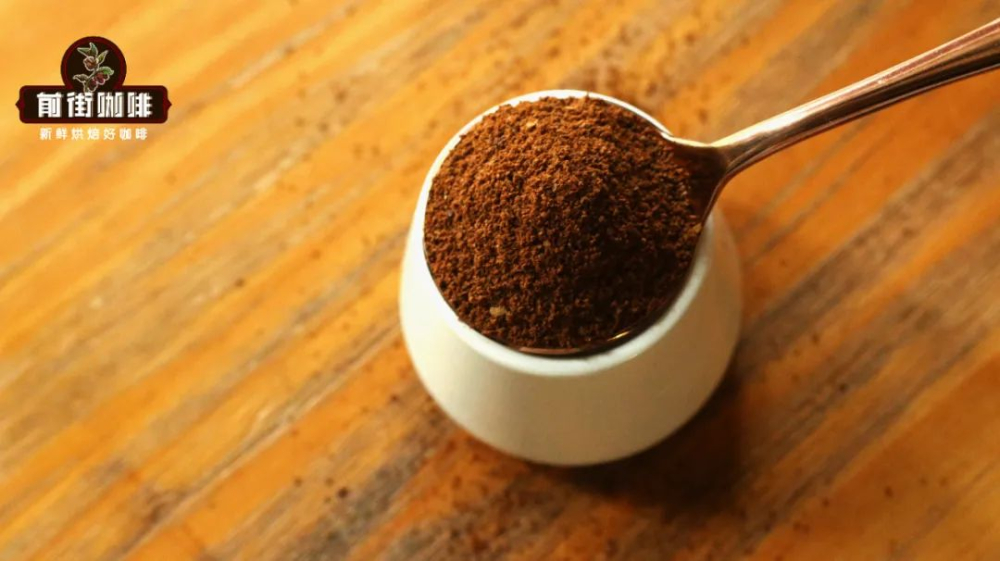
Meanwhile, "coarse sugar", also referred to as white sugar, is visually similar to fine sugar but can be distinguished by gently rubbing it between your fingers—you’ll feel clear grain edges, and it may even produce a crisp sound when chewed. This grind size, due to its smaller surface area, can effectively prolong extraction time without risking over-extraction. It suits medium-dark to dark roasted beans, particularly bringing out rich flavors like chocolate, caramel, and cocoa.
Finally, there's the "sea salt"-like coffee grounds, characterized by large and uneven particles, with obvious chunky structures visible to the naked eye. Compared to typical drip pour over methods, this grind is more suitable for immersion-style devices such as French presses or siphon brewers. When paired with about 2–3 minutes of immersion time, it balances flavor release while avoiding over-extraction.
If visual judgment alone is difficult, you can also use several observations during the extraction process to assist in evaluation: including the suspension state of the coffee grounds during the bloom, the overall dripping time, and the morphology of the coffee grounds after brewing. These details can help us more accurately assess whether the current grind size is appropriate.
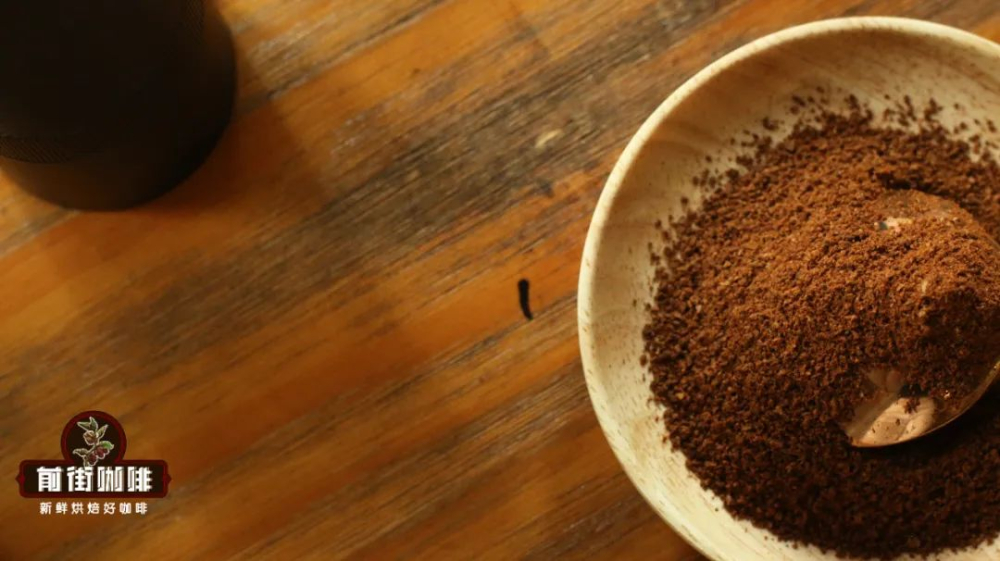
Next, we demonstrate with a real case how, when facing an unfamiliar hand grinder, you can step-by-step “blind test” the most suitable grind setting through simple adjustments and observations. This demonstration uses the MAVO Wizard 2.0 hand grinder, with sun-dried Red Cherry coffee beans as the main material. The parameters are set as follows: 15 grams of coffee grounds, 225 grams of total water, 91°C water temperature, using a V60 filter cone, with a three-stage pouring method (30g → 95g → 100g).
First, take a small amount of coffee beans (about 3–5 grams) and grind them at the grinder’s initial setting. If the output shows obvious chunks, with a texture close to sea salt, it indicates the grind is too coarse, and it’s recommended to adjust significantly finer. In this case, turning the setting about 10 clicks finer resulted in a grind state close to the uniform fineness of fine sugar, meeting general pour over needs, allowing us to proceed to the next extraction test.
However, after the first test brew, it was found that during the bloom phase, the coffee grounds tightly absorbed water, and the flow rate slowed noticeably in the later stage of pouring, even leading to paper filter blockage, causing the overall extraction time to exceed 2 minutes and 30 seconds. Observing the coffee grounds revealed a surface covered with a lot of fine muddy powder, and the taste was heavy, with berry notes and a slightly astringent aftertaste, indicating signs of over-extraction. At this point, the grinder setting was adjusted 3 clicks coarser, and the test was repeated.
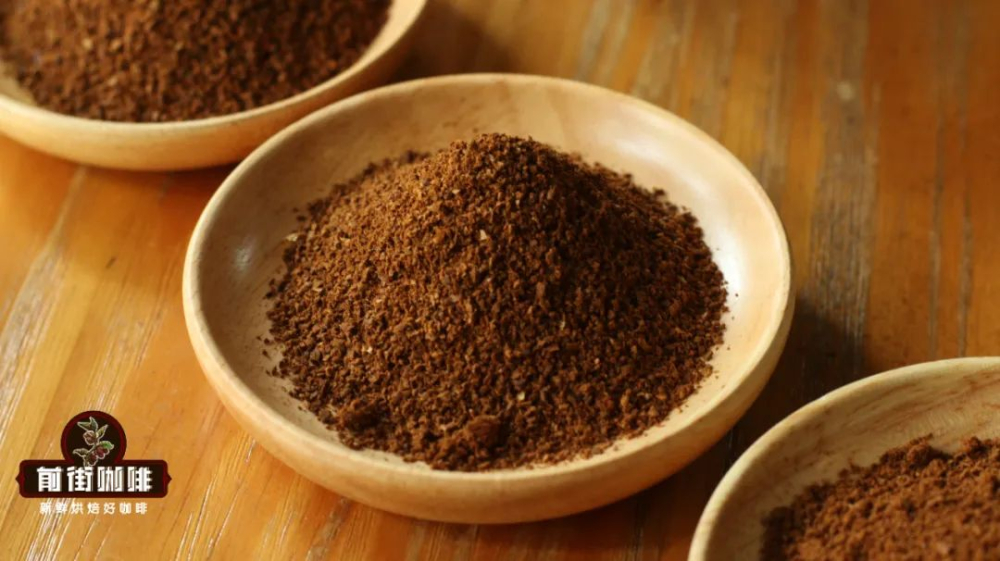
The adjusted grind size performed well during the bloom—the coffee particles maintained appropriate spacing, the coffee bed was dry and visibly suspended. The entire pouring process was smooth, with a stable flow rate, and the total extraction time was about 2 minutes and 8 seconds. The coffee grounds were evenly distributed and fluffy, with no obvious fine powder blockage. The flavor profile presented clear citrus acidity and moderate caramel sweetness, with good overall balance—this was the ideal grind setting we were seeking.
In summary, by establishing a foundational concept through seasoning analogies, and then combining observations and adjustments during the actual extraction process, even when facing an unfamiliar grinder, you can gradually find the most suitable grind size for the characteristics of the current coffee beans. This not only improves the consistency of pour over coffee, but also helps you better understand the principles of flavor release, further enhancing the enjoyment and appreciation of pour over details.
The above content is compiled by CoffeeHunters, a coffee news website.


