







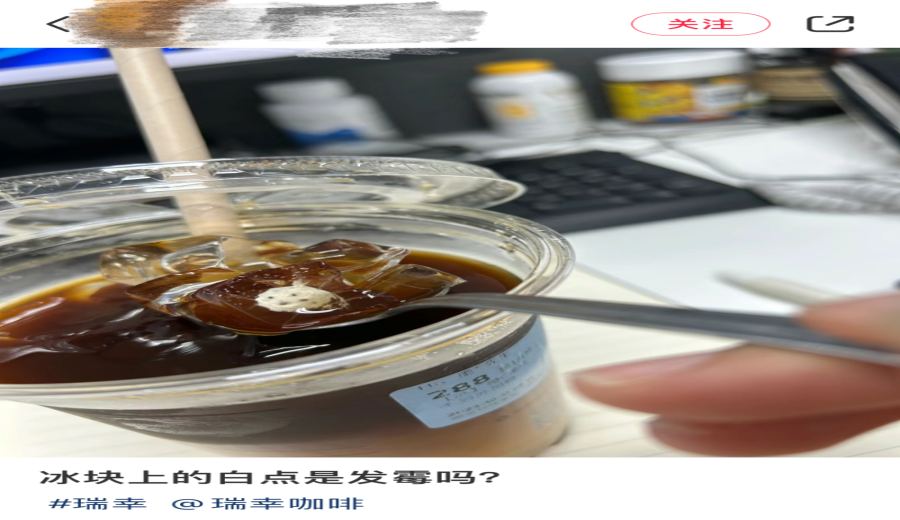
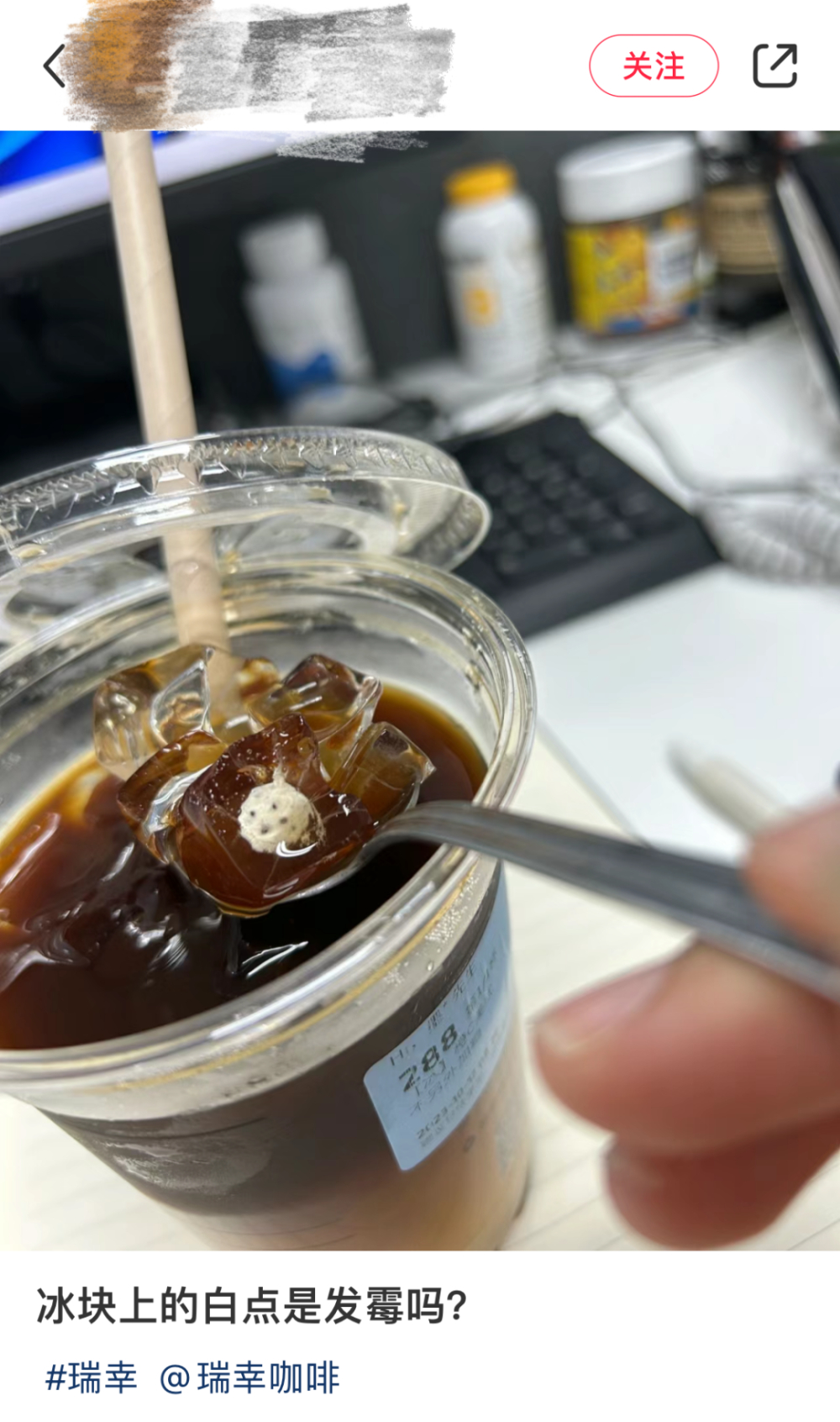
Introduction:Recent discussions on social media about white spots appearing in the ice cubes of Luckin Coffee drinks have raised public concerns about food safety. The official response clarified that these white spots are actually an optical illusion caused by the hollow structure of the ice and light refraction, not mold. This article delves into the science behind this phenomenon and outlines Luckin’s stringent standards in ice-making and cleaning processes, helping consumers enjoy their coffee with greater peace of mind.
With the growing popularity of coffee beverages, consumers are paying increasing attention to drink quality and food safety. Recently, a video circulated on social platforms showing white spots on the surface of ice cubes in Luckin Coffee, sparking heated online discussions and speculation about possible mold or foreign contamination. In fact, according to Luckin’s official explanation, these white spots are not a food safety issue but rather a result of the hollow structure of the ice. During the ice-making process, air or foam can become trapped in the internal grooves of the ice, and when light passes through the ice, refraction creates the appearance of white spots.
This phenomenon is more noticeable in transparent or light-colored drinks, especially under certain lighting conditions. However, gently stirring the drink to rotate the ice cubes will usually make the white spots disappear, proving they are not solid contaminants. This also reminds consumers that when encountering similar situations, they can first observe whether the white spots move with the ice or disappear, as a preliminary way to determine if it is a physical optical effect.
In response to consumer concerns, a current Luckin barista shared the daily operation and cleaning procedures of the ice machine, further substantiating the brand’s hygiene management standards. It is understood that Luckin’s ice machines are directly connected to a filtered drinking water system and undergo thorough cleaning on a weekly basis. The cleaning steps include: staff must first wash their hands thoroughly, then wear disposable gloves, use professional disinfectant powder to clean the ice scoop and bucket, followed by scooping the ice, and finally wiping the tools again with disinfectant cloth to ensure a hygienic ice-making environment.
In addition, Luckin has very strict personal hygiene requirements for its employees. The stores have timed reminders, and every staff member must use hand soap and scrub for at least 20 seconds each time they wash their hands. This standard has even become part of internal evaluations. One barista humorously remarked, “Luckin’s cleaning is cleaner than my wallet,” reflecting the high level of emphasis the company places on hygiene control.
Industry insiders point out that if ice machines are not properly maintained over the long term, microbial growth can indeed occur due to standing water or residual substances. However, in properly operated chain systems, the ice-making process is generally under tight monitoring. Typically, the constant temperature environment inside the ice machine can inhibit the growth of most bacteria and molds, especially under low-temperature operation, where microbial activity is extremely limited.
This incident has prompted a re-examination of the quality of ice used in beverages. In fact, discussions about “moldy ice” frequently appear on social platforms, but most cases, upon investigation, turn out to be physical phenomena or misunderstandings. Nevertheless, such reports still serve as a reminder to both businesses and consumers to remain vigilant and conduct proper verification regarding any abnormalities in food appearance.
For consumers, if unidentified particles or spots are found in a drink, it is recommended to first observe whether they move with the ice, disappear after stirring, or are accompanied by any unusual odors. If doubts persist, feedback can be given to store staff for further confirmation. For brands, responding to consumer inquiries promptly and transparently not only helps resolve misunderstandings but also strengthens customer trust.
Overall, Luckin’s response to this incident demonstrates the brand’s commitment to product and service quality. It also reminds the industry that when addressing food safety issues, decisions should be based on science, and consumer education is key to establishing correct understanding. Moving forward, as consumer awareness of food safety continues to grow, how to win market confidence through transparent communication and standardized operations will be a shared challenge for all beverage businesses.

The above content is compiled by CoffeeHunters, a coffee news website.


