








Introduction:Harar coffee was once one of Ethiopia’s three most renowned coffee-growing regions, celebrated for its intense chocolate and red wine flavors. But today, it has all but disappeared from the market. This article traces the origins of Harar, starting with the history of Yemen’s Mocha Port, and analyzes the multiple factors behind its decline from prominence to scarcity—including regional shifts, inconsistent quality, and market supply-demand issues—while providing practical insights to help readers better understand this once globally popular coffee.
Once on par with Sidamo and Yirgacheffe, Harar was considered one of Ethiopia’s three major coffee regions, beloved worldwide for its bold chocolate and fermented red wine notes. Yet in today’s specialty coffee market, Harar beans are extremely rare. This article begins with the historical role of Yemen’s Mocha Port to explore the rise of Harar coffee, and then delves into key issues such as its declining production, fluctuating quality, and the disconnect between price and actual performance—offering a look at how this once high-profile region fell from its peak to scarcity.

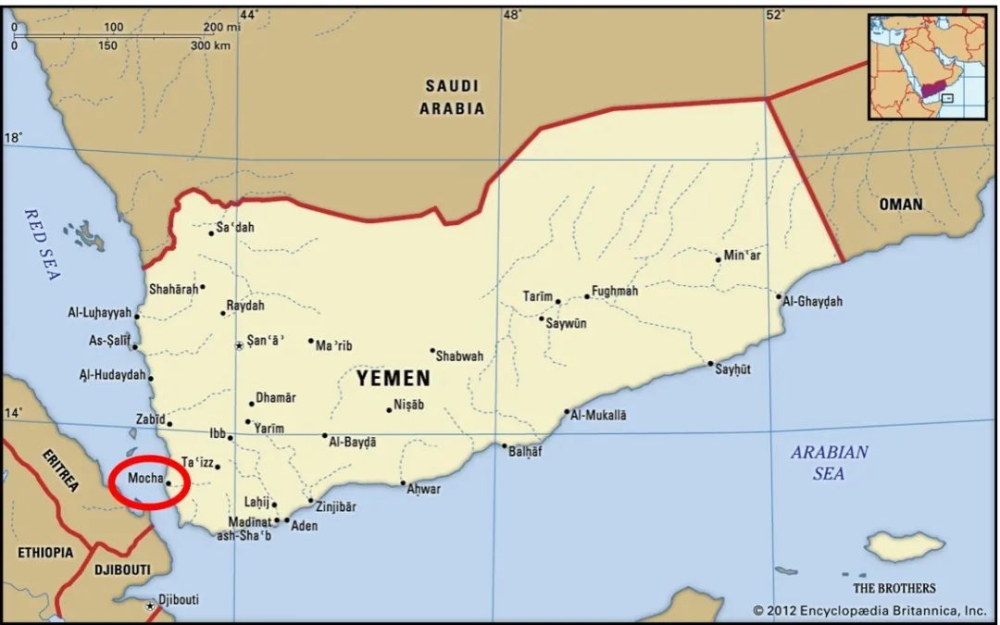
Harar’s status as one of the top three regions is inseparably linked to Yemen’s Mocha Port. As early as the 15th century, Yemen’s strategic location made it a vital hub for coffee trade. At the time, Mocha Port served as a key export route connecting Africa to Europe and the Middle East. Due to limited transportation technology, nearly all coffee beans produced across regions had to be transshipped here before being sent worldwide. Thus, Mocha Port was essentially the heart of global coffee trade at the time.
The earliest coffee beans exported from Mocha Port carried a strong chocolate aroma, a unique flavor deeply favored by European consumers. To indicate the beans’ origin, exporters would label the sacks with the word “Mocha.” Over time, the term “Mocha coffee” became synonymous with coffee possessing similar flavors.
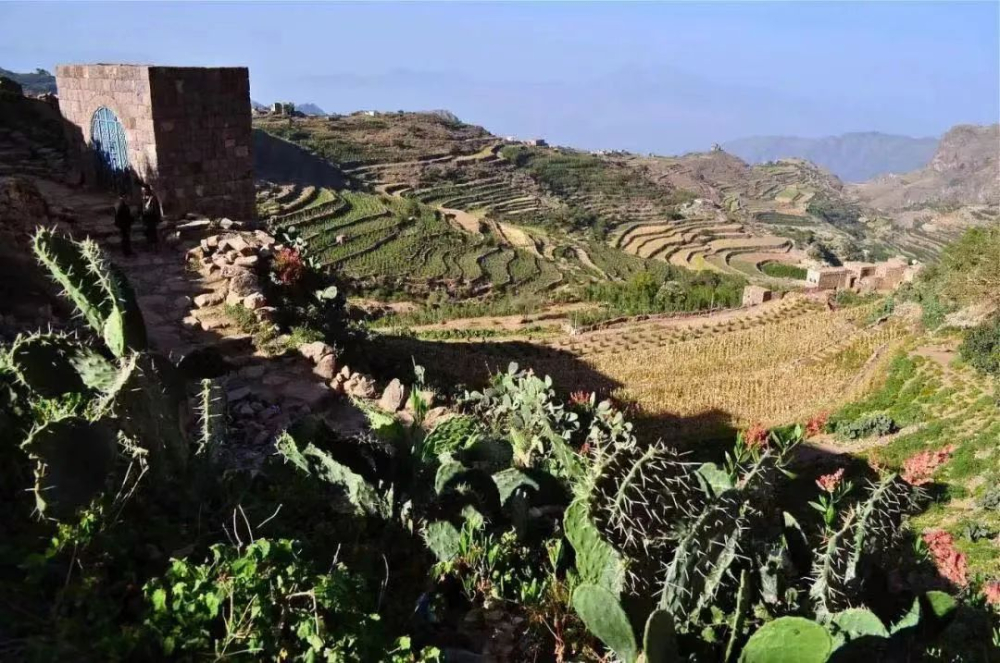
Later, coffee began to be cultivated locally in Yemen. Farmers grew Arabica coffee trees on steep, arid hillsides with scarce rainfall, using a simple natural (sun-dried) processing method—directly exposing the coffee cherries to sunlight. This seemingly rudimentary technique, however, unexpectedly produced distinctive flavors due to the region’s unique climate—extended sun exposure imparted subtle fruity notes and a red wine-like fermentation character, while dark roasts brought out rich chocolate tones.
Interestingly, it was found that coffee from the Harar region across the sea shared an extremely similar flavor profile with Yemeni Mocha beans, also featuring a solid chocolate base along with blueberry sweetness and layered red wine-like fermentation. This high degree of similarity quickly earned Harar coffee the reputation of being “Ethiopia’s Mocha,” further boosting its fame.
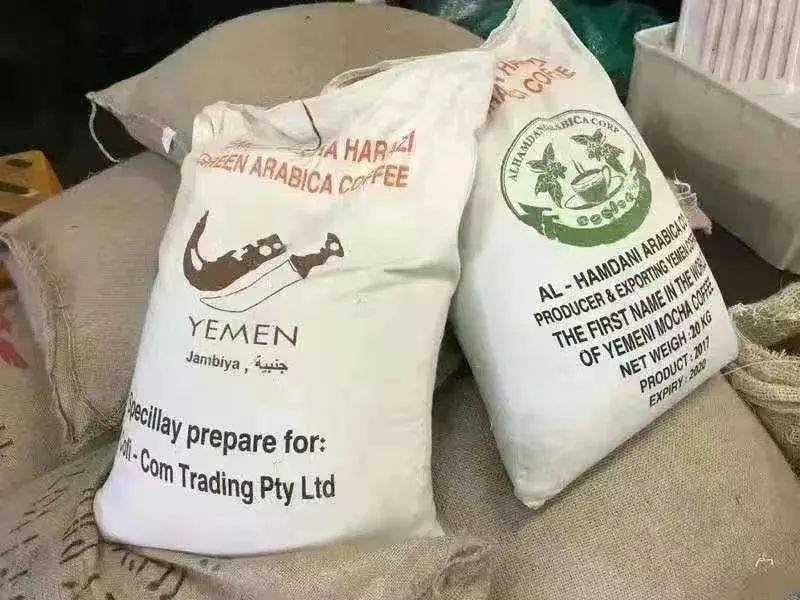
In fact, there’s a popular notion in the market that the earliest coffee beans shipped from Mocha Port may have actually come from Harar. Given the proximity in geography, as well as highly similar growing conditions, climates, and processing methods, Harar beans rapidly gained international recognition, with sales steadily climbing. Additionally, Harar coffee sacks often featured a horse emblem, symbolizing the region’s coffee as exceptional as fine horses—a unique hallmark of the producing area.
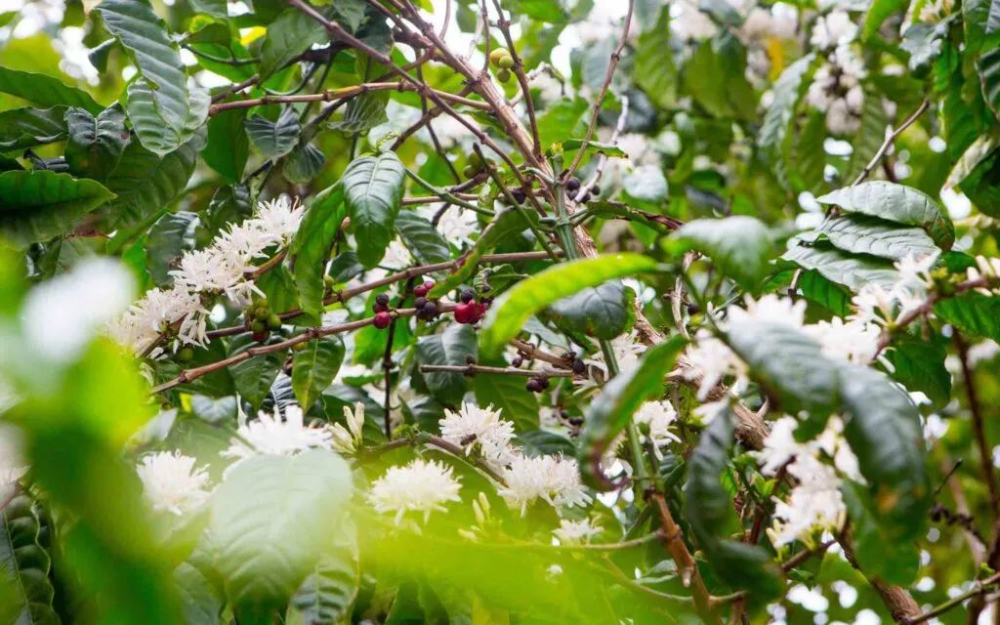
However, over time, Harar coffee gradually vanished from the market. To understand why, we must first look at administrative changes in the region. In earlier times, Harar’s coffee-growing areas were primarily concentrated in the vast Hararghe Province in Ethiopia’s eastern highlands—so large it even surpassed Sidamo in size. But after administrative reshuffling, most of the former Hararghe Province regions were incorporated into the Oromia Region, leaving only the Harari Region centered around the city of Harar, resulting in a reduced overall growing area and a sharp decline in production.
Yet regional changes aren’t the only factor. What truly made Harar beans increasingly hard to find in the market was the severe imbalance between their quality and price. Local traders in Harar long adhered to traditional natural (sun-dried) processing methods, resisting modern techniques. However, the region’s sun-drying environment is unstable, and processing is prone to issues like mold or spoilage due to poor weather or hygiene conditions—making consistent quality difficult to maintain.
Currently, the Harar region can produce only a small quantity of specialty-grade coffee beans, and these high-grade lots are often fully pre-booked by specific buyers during cupping. The remaining beans either lack cleanliness or exhibit noticeable defects, compounded by underdeveloped transportation infrastructure, lengthy transit times, and complex export procedures—all further affecting the final flavor. As a result, many coffee buyers find significant disparities between the samples cupped and the actual imported batches received, leading many green bean importers to gradually lose confidence in Harar and turn to other Ethiopian regions with more diverse processing methods and more stable flavor profiles.
To this day, although a few coffee shops or importers still offer high-quality Harar coffee, the quantity is vastly disproportionate to its former glory as one of the top three regions. For those wishing to personally experience this once globally legendary coffee, it’s recommended to seek out channels with stable supply chains and good reputations, and to confirm the origin and processing methods in advance to ensure quality.
The above content is compiled by CoffeeHunters, a coffee news website.


