







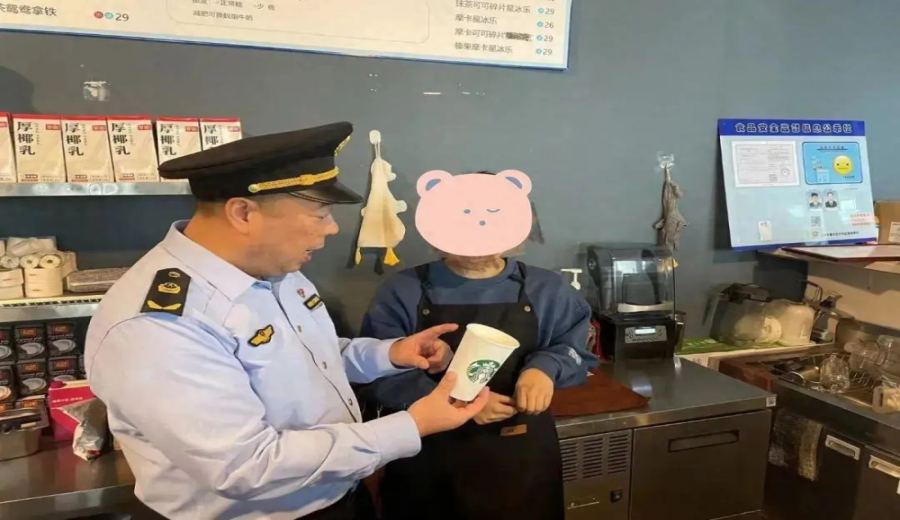
Introduction:Recently, market regulatory authorities in Shanghai’s Jiading Industrial Zone uncovered a counterfeit Starbucks procurement coffee shop, seizing a large number of imitation packaging and materials on site. This case exposes loopholes in the vetting mechanisms of food delivery platforms, as well as the risks posed by the unchecked circulation of branded packaging. Learn how fake coffee makes its way to market and how to identify authentic stores to protect your coffee quality and consumer rights.
The Jiading Industrial Zone Market Supervision Office recently conducted a surprise inspection at a business premises disguised as an ordinary coffee shop, following a tip-off from local residents. Unexpectedly, they uncovered a long-running case of counterfeit Starbucks products being sold under the guise of takeaway procurement. The site was not only piled high with imitation packaging but also yielded a large quantity of paper cups, syrup bottles, and takeaway bags bearing official Starbucks logos.
According to Li Wenguang, head of the Jiading Industrial Zone Market Supervision Office, the shop appeared to be a regular café on the surface but was actually using “Starbucks procurement” as a front to openly sell counterfeit Starbucks beverages on food delivery platforms. The store had never been authorized by Starbucks but used sophisticated disguise techniques—accepting online customer orders, producing coffee products with similar appearances, and delivering them under the pretense of “procurement” in an attempt to pass off fakes as the real thing.
The investigation revealed that this counterfeit store had been operating since August 2023 and was only ordered to shut down when it was discovered. Items seized on-site included as many as 5,900 imitation Starbucks paper cups, 962 syrup bottles, and 18,000 branded packaging bags. All these materials prominently featured the Starbucks trademark. Enforcement officers have sent some of the evidence to the brand for authentication, and the case is still under further investigation.
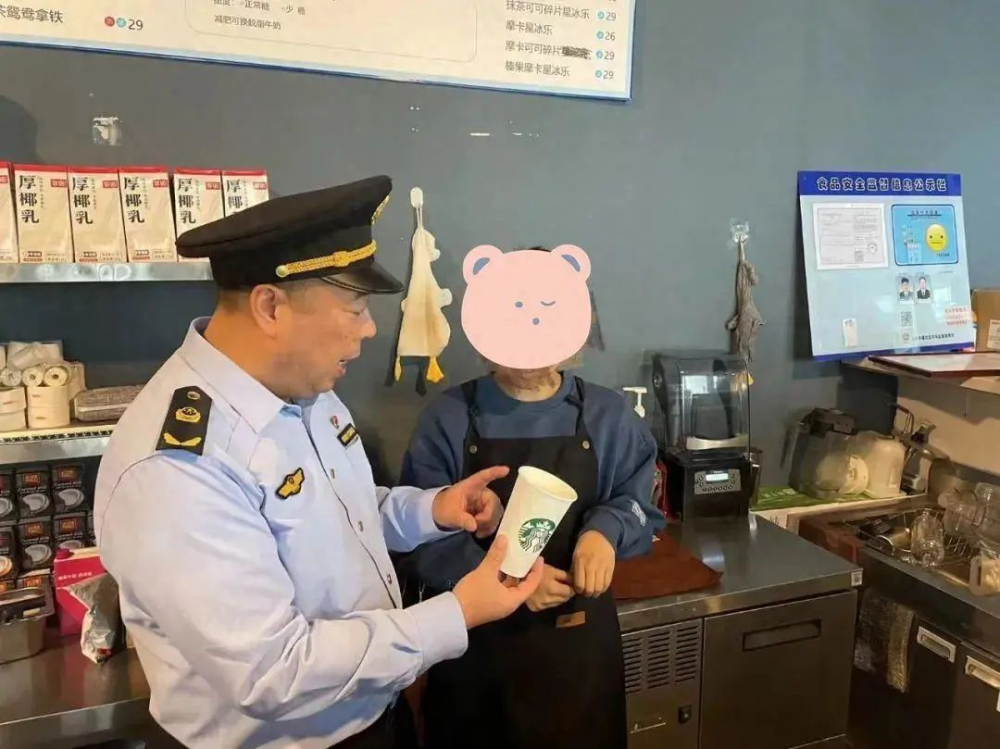
The ability of such counterfeit procurement shops to persist for so long is directly linked to the lax vetting mechanisms of food delivery platforms. Many platforms do not rigorously screen merchants, allowing stores without brand authorization to easily list their services. They even exploit consumers’ familiarity with brand appearances to mask the authenticity of the products. More seriously, e-commerce platforms—including Taobao—are flooded with easily purchasable Starbucks-branded packaging materials such as syrups, paper bags, and cups, further fueling the counterfeit trend.
Some consumers have reported that although the Starbucks syrup they bought on Taobao looked slightly different from the genuine product, the taste was similar, leading them to mistakenly believe it was the correct item. In fact, Starbucks offers comprehensive delivery services that cover nearly all its stores across the country. Consumers simply do not need to seek so-called “procurement” services. Choosing official channels not only ensures consistent flavor but also helps avoid purchasing counterfeit goods of unknown origin.
This case is not an isolated incident. In recent years, news of similar counterfeit Starbucks procurement shops has surfaced from time to time. For example, Sichuan Observation Network reported a case of “counterfeit Starbucks takeaway made in a rental apartment.” The shop not only closely mimicked the appearance, packaging, and pricing of genuine products but also accumulated 729 orders, with the case involving more than 40,000 RMB. This indicates that such issues have already formed a sizable black-market industry chain.
Industry experts advise that when ordering coffee, consumers should prioritize cafés with physical storefronts and official certification, while carefully checking the information and reviews of stores on delivery platforms. If you notice unusual packaging, significantly lower prices, or appearances that differ markedly from common genuine products, you should stay vigilant to avoid falling into counterfeit traps. At the same time, relevant authorities have also stated that they will further engage with food delivery platforms to urge stricter vetting of merchant qualifications, thereby safeguarding consumer rights.
The above content is compiled by CoffeeHunters, a coffee news website.


