








Introduction:Many pour-over enthusiasts often overlook how well the filter paper adheres to the V60 dripper, but this 5% difference can directly affect brewing speed and flavor performance. This article focuses on the V60 cone dripper with its built-in flow-guiding ribs, analyzing the debate over whether or not to pre-wet the filter paper, and shares a practical technique using water pressure and finger positioning that achieves over 95% adhesion without any special tools—improving extraction evenness.
In the world of pour-over coffee, there are always two mainstream approaches regarding whether the filter paper should be pre-wetted. Those who oppose pre-wetting argue that it prevents the coffee grounds from coming into contact with the filter material too early, which could lead to over-extraction. Supporters of pre-wetting, on the other hand, emphasize that it helps eliminate the papery taste and suspended particles from the filter paper itself. However, when using a V60 dripper with its dense flow-guiding rib structure, the tightness of the fit between the filter paper and the dripper wall is the truly critical factor—empirical data shows that poor adhesion noticeably slows down the water flow rate and induces unpleasant off-flavors.

The argument for not pre-wetting the filter paper is mainly based on extraction control considerations. Some Japanese brewing schools deliberately avoid pre-wetting the filter paper (as they often use it with cloth filters like the flannel), aiming to observe extraction evenness through the penetration state of the coffee liquor, and then decide whether to proceed to the next stage. While this method preserves the original characteristics of the filter material, it’s not the optimal choice for modern cone dripper designs.
In contrast, the advantage of pre-wetting the filter paper lies in systematic cleaning. Filter paper that has been stored for a long time may have absorbed dust particles from the environment. The impact of the pouring water not only rinses these away, but the warm water also softens the fiber structure, laying the foundation for subsequent uniform filtration.
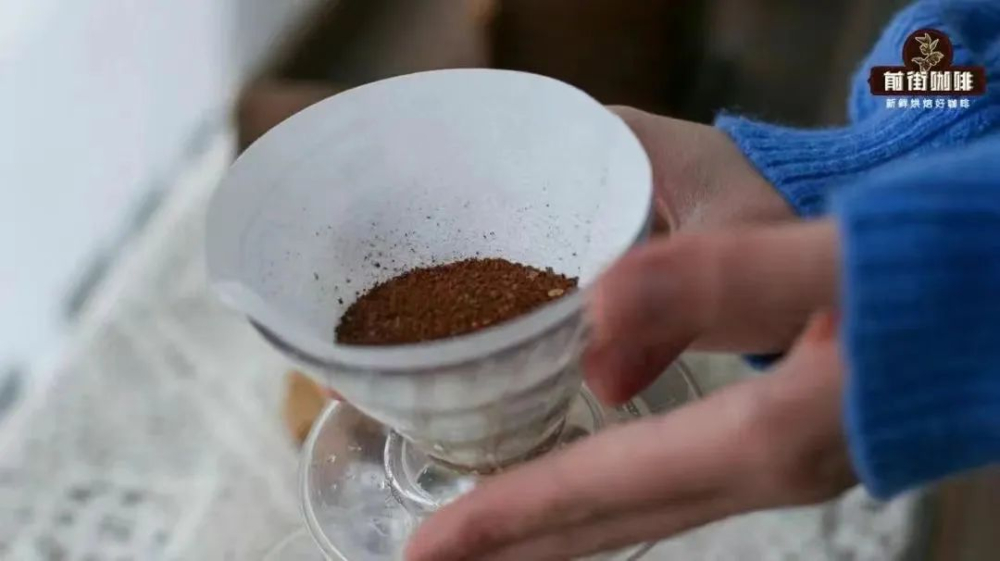
However, these conventional discussions don’t fully apply to special-designed drippers like the V60. Practical testing has found that when there’s a gap between the filter paper and the flow-guiding ribs, not only does the water flow rate decrease by 30%-40%, but it can also lead to uneven extraction and residual papery tastes. It's particularly worth noting that the densely arranged flow-guiding ribs are designed to accelerate vortex water flow. If the filter paper doesn’t fully adhere, these carefully engineered structures can actually become obstacles.
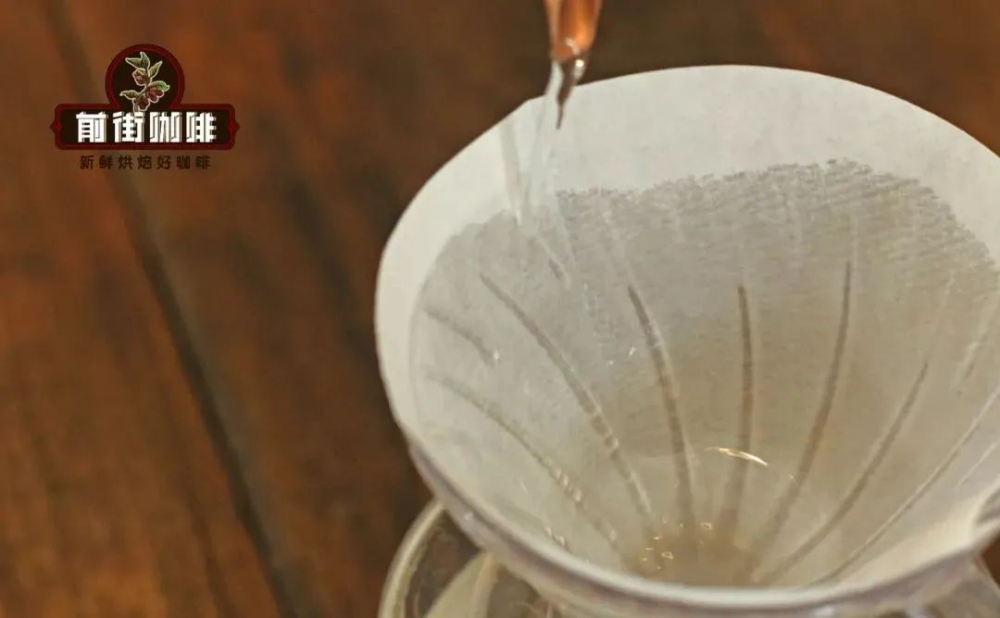
To solve this problem, you actually only need to master three key steps: First, fold the fan-shaped filter paper in half as usual and then unfold it, making sure to maintain the integrity of the three-layer structure. Then, when placing the filter paper into the dripper, use your thumb and index finger to press down on the fold lines along the diagonal directions—this is the core operation that ensures proper shaping afterward.
At this point, pour about 60%-70% of the dripper’s capacity with 90-93°C hot water, and it’s recommended to pour in a circular motion from the center outward. The impact of the water flow, combined with the stabilizing effect of your fingers, allows the filter paper to naturally conform to all the gaps between the flow-guiding ribs. Experiments show that this method achieves seamless contact with over 95% of the inner wall of the dripper, and it only requires an additional rinse of about 50 ml of water.
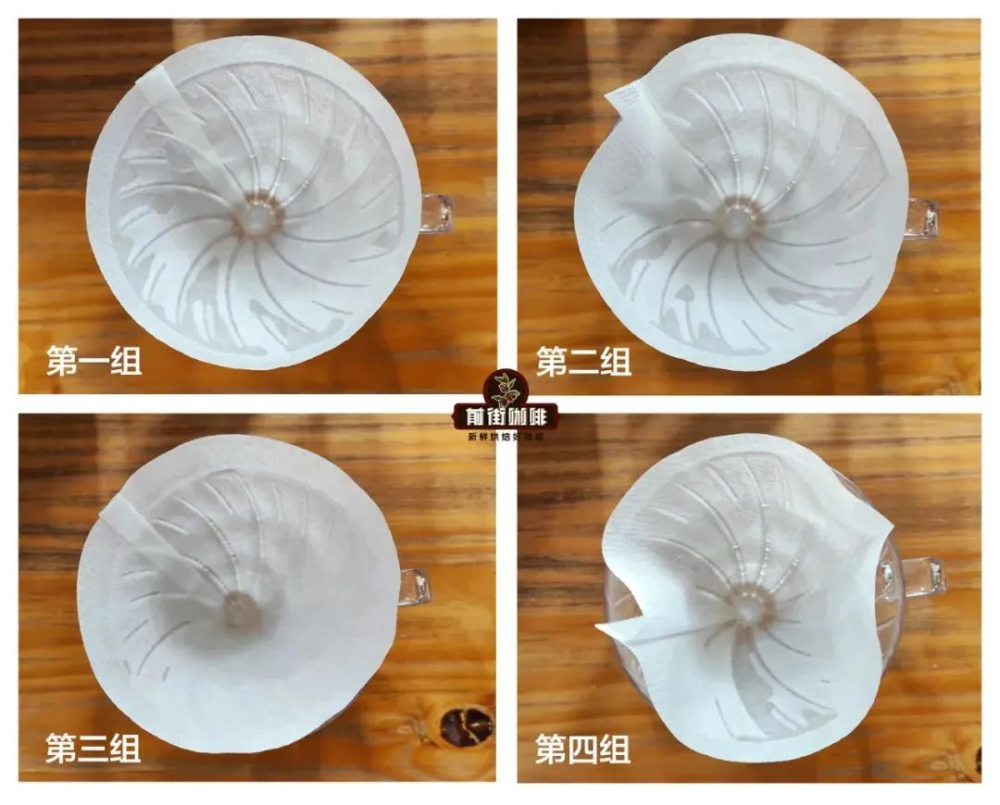
Common mistakes include insufficient pouring height or misaligned finger pressure, both of which can lead to localized failure in adhesion. It’s recommended that beginners slow down their pouring speed at first and observe whether the filter paper forms a uniformly concave arc. If you notice any obvious bubbles or gaps in certain areas, you can add a small amount of hot water locally for a second adjustment.
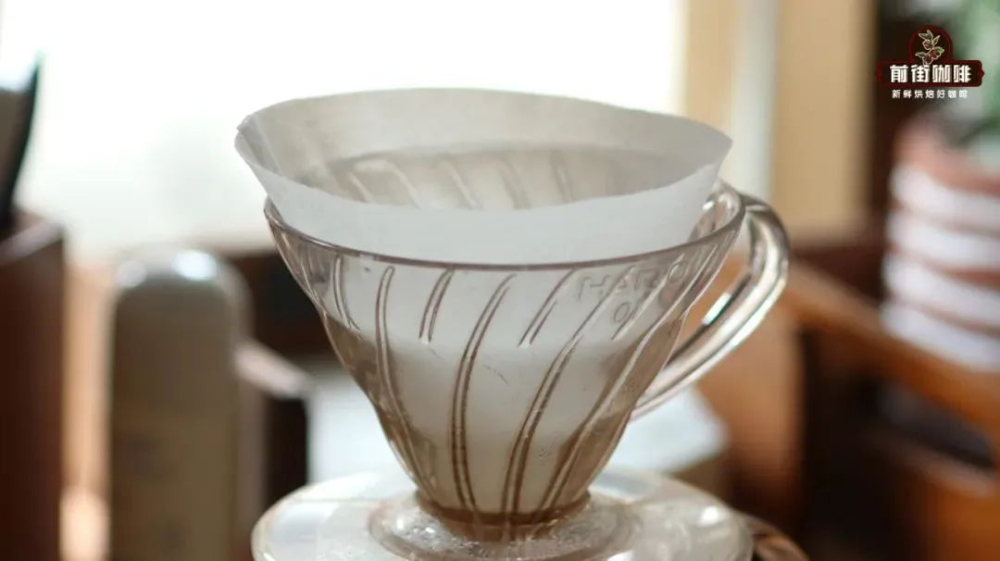
Once you’ve mastered this technique, it won’t just improve the stability of your daily brews—it’s especially helpful for bringing out the delicate flavors of light-roast coffee beans. Remember, perfect filter paper adhesion is the first step to a high-quality pour-over, yet it’s often the most overlooked detail.
The above content is compiled by CoffeeHunters, a coffee news website.


