







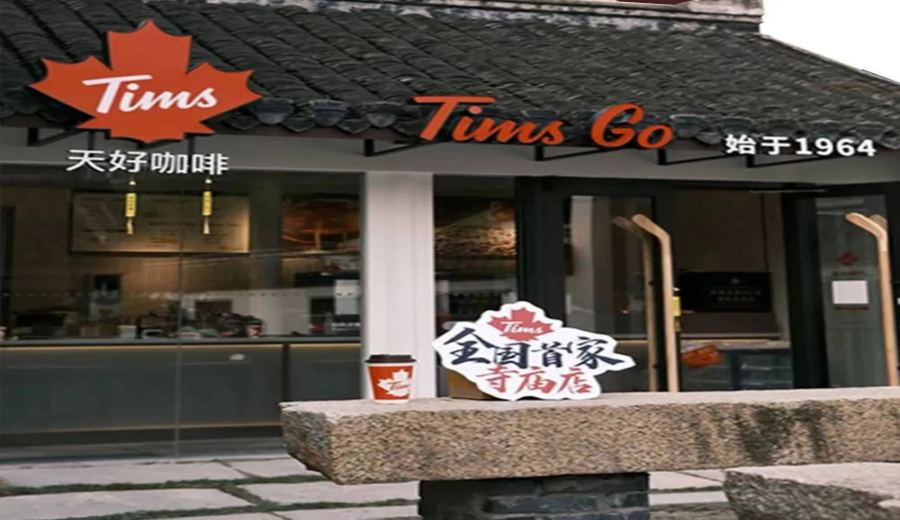
Introduction:The chain coffee brand Tims has launched China’s first temple-themed store in Xisi, Nantong, Jiangsu, combining Zen-inspired copywriting with limited-edition merchandise, quickly attracting young consumers to visit and take photos. This article analyzes the psychological needs and market strategies behind the rise of temple coffee, and details the creative highlights of Tims’ collaboration and the buzz it has generated on social media, offering coffee enthusiasts a unique experience reference.
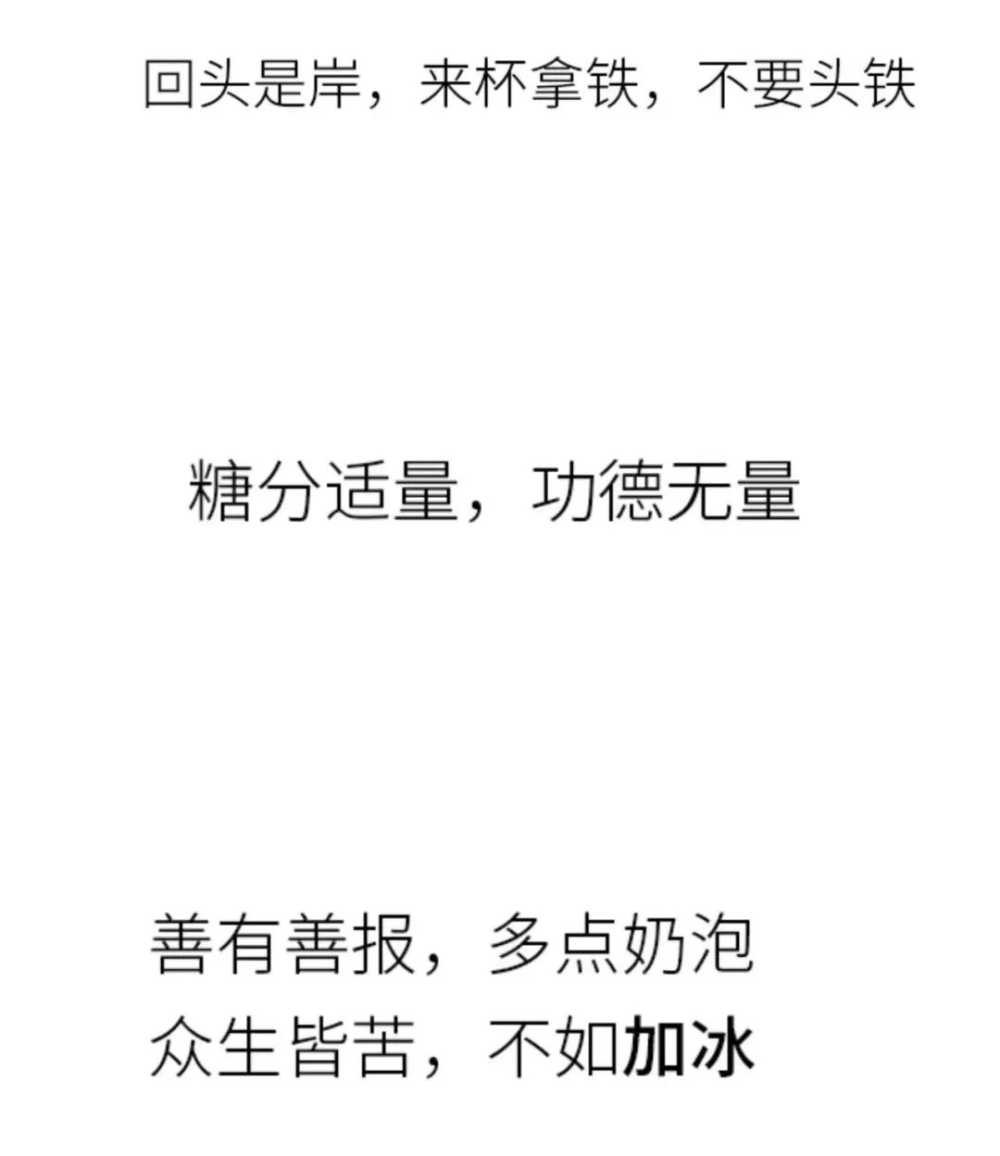
The chain coffee brand Tims recently opened China’s first coffee shop located inside a temple, situated in Xisi, Nantong, Jiangsu Province. This move has not only sparked widespread discussion in the industry but also become a popular打卡 spot for young people. In addition to launching creative copywriting infused with Zen elements—such as “To turn back is to reach the other shore, come have a latte, don’t be stubborn” and “Good deeds bring good rewards, add more milk foam”—the new store also designed a variety of opening activities, including complimentary incense-scented sachets, limited-edition Xisi temple stamps, and co-branded tote bags, successfully drawing in a large number of customers.
In fact, the business model of combining temples with coffee shops is not new. Since the beginning of this year, several religious sites, including Cibei Coffee at Yongfu Temple in Hangzhou, Jianfo Coffee at Longxing Temple in Taizhou, and Nanputuo Temple in Xiamen, have successively launched similar concept stores. This wave of “temple coffee” reflects both the modern individual’s desire for spiritual solace under high-pressure living conditions, and coffee brands’ search for differentiation and breakthroughs in fierce market competition through innovative marketing.
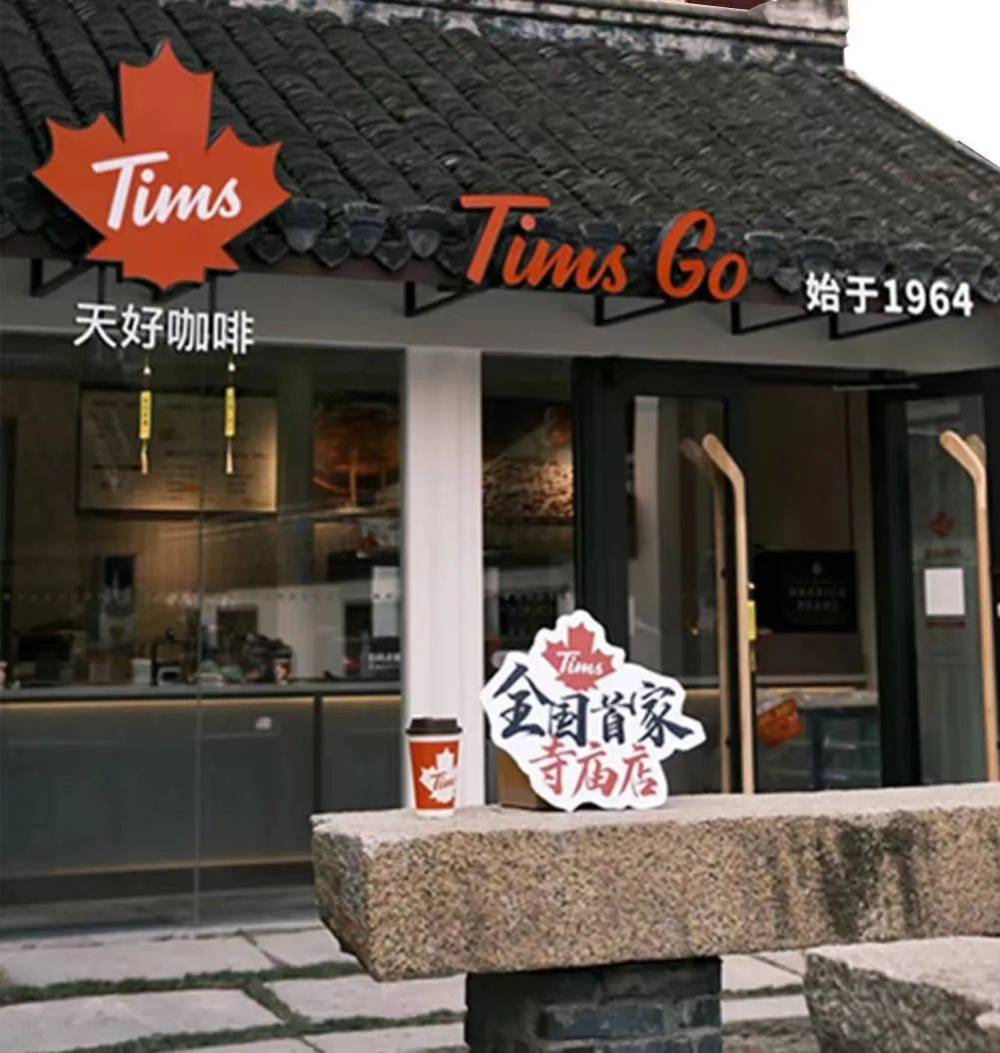
For this specially chosen location at Xisi Temple in Nantong, Tims has tailor-made a series of Zen-inspired promotional slogans that cleverly blend coffee beverages with temple culture, allowing consumers to enjoy their coffee while also experiencing a sense of tranquility and reflection. Netizens have responded enthusiastically to this coffee shop situated in an ancient temple—not only leaving comments joking, “Does buying coffee here count as accumulating merit?”—but also many from out of town expressing hope that such a concept could come to their area, with remarks like “Come to Dai Temple!” and “Jiming Temple needs you!” This demonstrates the broad appeal of this innovative model.
According to posts shared on social media, many customers have already visited the temple coffee shop to take photos. As per the opening event rules, purchasing any coffee product earns customers a complimentary incense-scented sachet and the opportunity to get a free stamp featuring Xisi’s limited-edition design, which incorporates elements of Nantong’s landmark architecture. Additionally, spending a certain amount qualifies customers for a limited-edition tote bag co-launched with Xisi Temple. However, due to limited quantities of gifts, they sold out on the first day of opening. Those who only wish to get a stamp as a keepsake are advised to bring their own paper.
The trend of temple coffee shops actually began to heat up around April of this year, when temples in multiple domestic cities started introducing the concept of coffee shops. In addition to the aforementioned locations in Hangzhou, Taizhou, and Xiamen, many religious venues have also tapped into young people’s demand for spiritual anchoring by joining this trend. This wave has not only brought fresh business concepts to the coffee market but also provided consumers with a different kind of consumption experience, further boosting the popularity and attention of temples.
As for why young people are so drawn to temple coffee, online discussions show that many believe “Going to work and striving is not as good as going to pray, seeking academic progress is not as good as praying to the gods,” reflecting a phenomenon where the younger generation seeks spiritual comfort amid fast-paced life and heavy pressure. Some temple coffee shops have even introduced interactive features such as drawing fortune sticks before making a purchase, emphasizing the concept of “temple coffee, +1 merit,” attracting more customers to participate. However, some establishments have also been criticized for being too expensive or overly commercialized, seen as merely leveraging the temple’s name to attract photo opportunities without genuine cultural substance.
Returning to the collaboration between Tims and Xisi Temple in Nantong, compared to traditional chain outlets, this form of co-branding that combines a religious space with a unique interior design is undoubtedly more appealing, successfully sparking customers’ curiosity and enthusiasm for visiting and taking photos. At the same time, Tims has also enhanced its brand differentiation and market competitiveness by launching limited-edition merchandise in collaboration with the temple. For chain coffee brands, such innovative marketing strategies not only help stand out in a fiercely competitive market but also provide a worthy direction for innovation that other brands can learn from.

The above content is compiled by CoffeeHunters, a coffee news website.


