







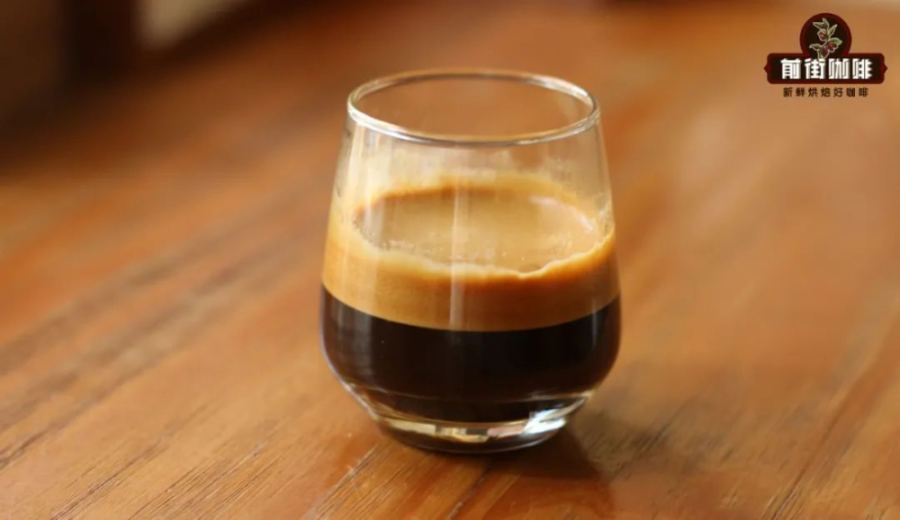
Introduction:Many coffee enthusiasts wonder: does scraping off the crema (the golden coffee foam) from the surface of an espresso shot result in a smoother, less bitter Americano? In fact, this golden layer is not just about aesthetics—it directly affects flavor release and overall mouthfeel. This article delves into the composition of crema, its impact on extraction, and compares the differences between Americanos made with and without crema, helping you master more precise coffee brewing techniques.
In the world of specialty coffee, espresso is often considered the base for many coffee drinks, while the Americano is made by diluting espresso with hot water. However, many people, when making or drinking an Americano, choose to scrape off the fine, golden layer of foam on top of the espresso, believing it reduces bitterness and makes the coffee taste cleaner. But does this practice really lead to better flavor?
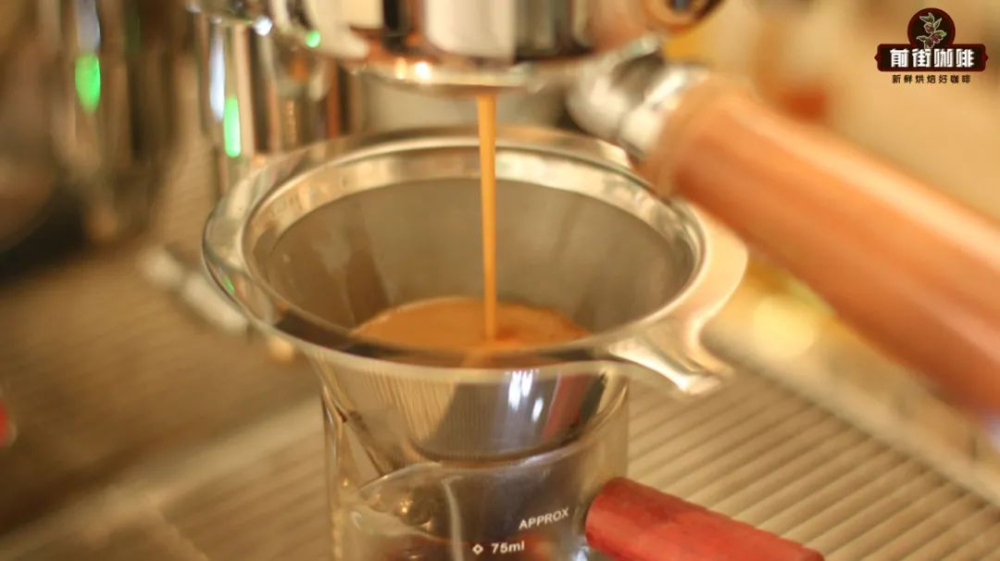
This layer of foam floating on the surface of espresso is officially called crema, primarily formed by a mix of carbon dioxide, tiny coffee particles, and oils, and is a natural byproduct of high-pressure extraction. Crema not only gives espresso its appealing appearance but also carries a significant portion of its aroma and texture characteristics. However, it is also cited by many as a source of "off-flavors" or an "overly intense" taste.
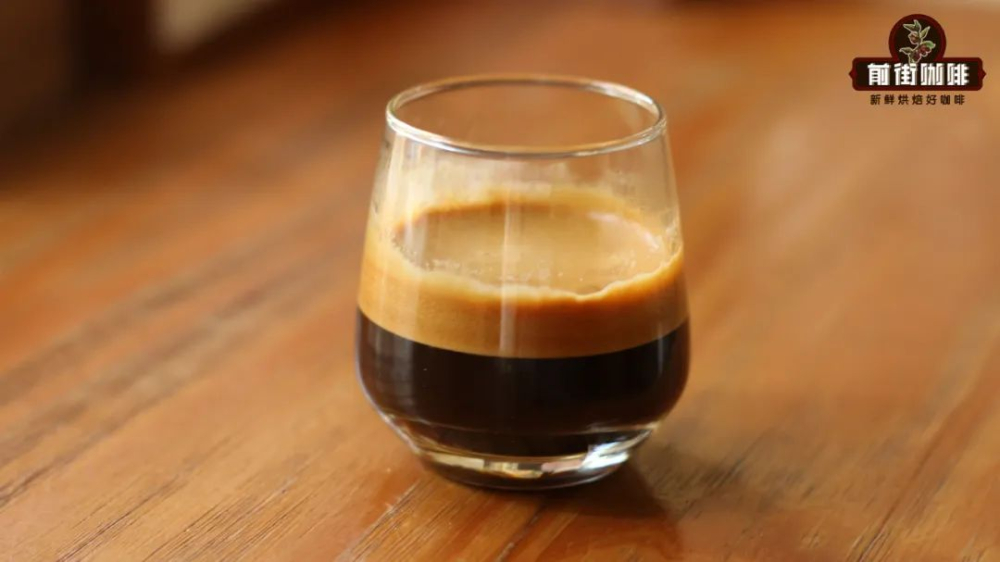
From a scientific perspective, crema consists of about 80% gas (mainly carbon dioxide), 10–15% water-soluble substances, and a small amount of oils. These components merge under high pressure during extraction to form a stable foam layer. This foam can temporarily retain certain volatile aromatic compounds, thereby influencing the first impression of the coffee’s taste.
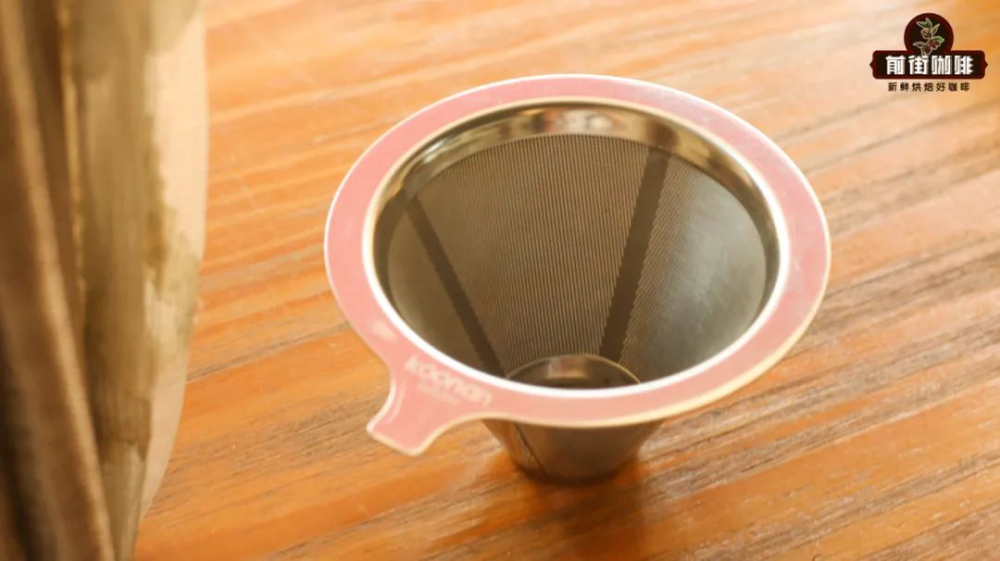
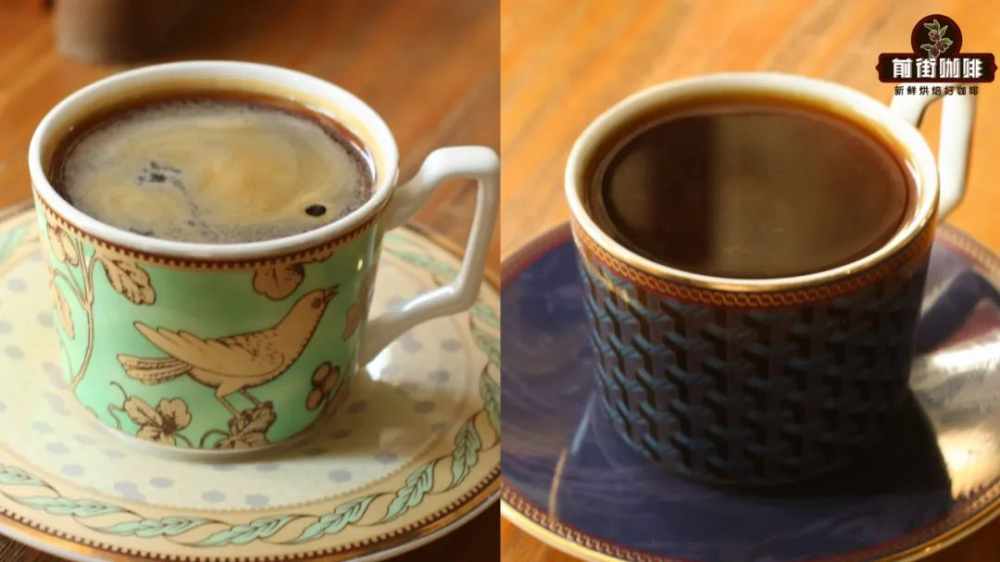
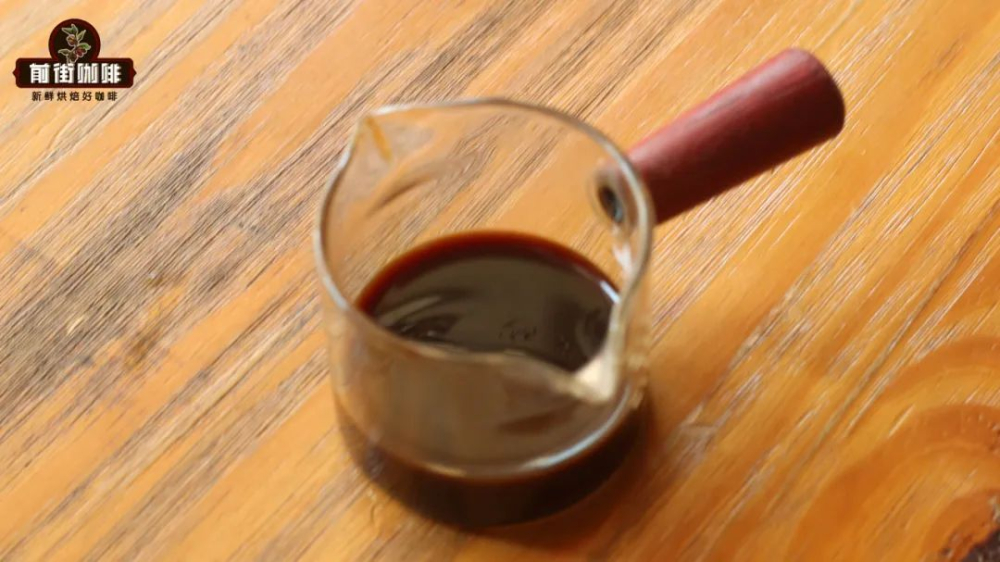
When you scrape off the crema, the most obvious change is usually the coffee’s appearance—the absence of that golden layer makes the espresso look clearer. But in terms of flavor, an Americano made without crema often presents a “cleaner” or “crisper” mouthfeel, especially when using beans with prominent or bright acidic profiles. Some baristas believe removing crema can reduce excessive tannins and oiliness, making the coffee’s layers more distinct.

However, this doesn’t mean crema is inherently “bad.” In fact, an Americano with retained crema usually has a fuller mouthfeel and more pronounced body. For those who prefer a rich, bold style, the subtle oily sensation and extended aromas brought by crema are actually indispensable parts of the overall drinking experience.
Based on actual testing and comparisons across various beans, Americanos made without crema often exhibit brighter acidity, particularly when using light or medium-light roasted beans, allowing fruit and floral high-frequency aromatic notes to come through more clearly. Conversely, retaining crema may cause these delicate aromas to be overshadowed by the richer oily sensation, resulting in a more subdued, heavy-bodied profile—sometimes even slightly bitter.
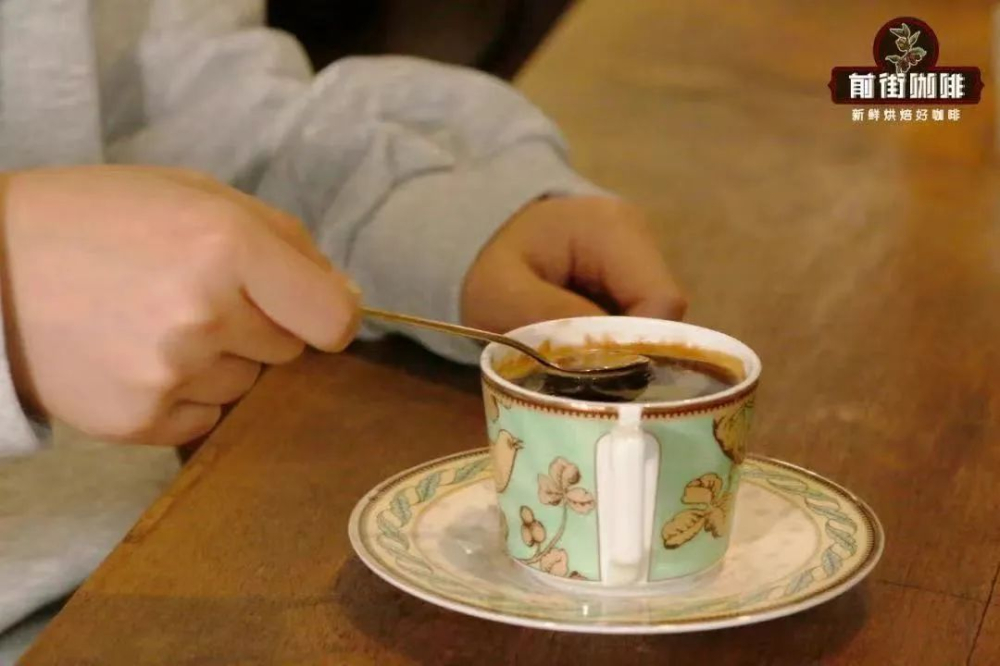
Additionally, extraction parameters greatly influence the texture and performance of crema. Generally speaking, overly long extraction times, excessive pressure, or too fine a grind can all lead to overly thick crema, sometimes even carrying burnt, bitter, or woody off-flavors. Therefore, controlling extraction time (typically recommended at 25–30 seconds), water temperature (around 90–96°C), and grind size when making espresso is essential to ensure crema quality—and thus the flavor balance of the final Americano.
From practical tasting experience, if you want an Americano with a cleaner, less oily profile, moderately scraping off the crema is an adjustment worth trying. Especially when using beans with vibrant acidity and pronounced fruit notes, removing the crema helps you better appreciate the beans’ inherent characteristics without interference from extra oiliness. On the other hand, if you prefer a rich, textured coffee, keeping the crema provides a more complete drinking experience.
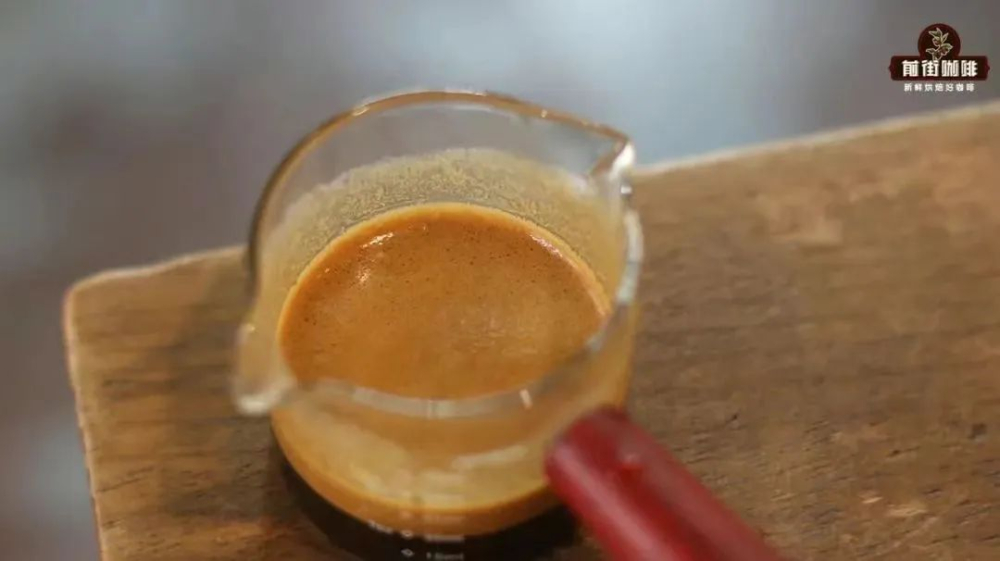
In summary, scraping off the coffee oils from the surface of espresso does impact the final mouthfeel of the Americano. This effect can be positive—making the coffee cleaner and brighter in acidity—or negative—reducing body and aroma carryover. The key lies in understanding your own taste preferences and flexibly adjusting whether to retain crema based on the characteristics of the beans used.
Whether you choose to scrape or retain the crema, understanding its role and influence will give you more confidence when crafting your Americano and allow you to more precisely control the flavor direction of each cup.

The above content is compiled by CoffeeHunters, a coffee news website.


