








Introduction:Have you heard of "high concentration, low extraction" but always get confused by the complex numbers? This article will explain the core principles of this brewing concept in a clear and easy-to-understand way. Starting from the balance between concentration and extraction rate, it will show you why using this method for certain coffee beans (such as dark roasts or anaerobically processed beans) can effectively reduce bitterness and enhance the drinking experience. Mastering this approach will also allow you to brew coffee with rich layers and a smooth taste.
Many friends who enjoy pour over coffee often come across the term "high concentration, low extraction" when browsing various brewing guides or sharing experiences. However, when you try to look up related explanations, you’re often faced with a bunch of confusing data and technical jargon, instantly feeling like you’re being thrown into the ultimate challenge right at the beginner level.
In fact, "high concentration, low extraction" is not a fixed brewing method, but rather a concept based on specific extraction goals, as well as the flavor presentation that results from it. This article will break down this seemingly advanced term into concepts that everyone can understand, helping you grasp its essence and apply it in your own brewing process.
First, what is "high concentration, low extraction"? Simply put, it’s a method where you adjust brewing parameters to reduce the overall extraction rate while maintaining or even increasing the final concentration of the coffee. This strategy is often reflected in brewing methods that use more coffee grounds and a lower coffee-to-water ratio, ensuring that every drop of coffee is rich in flavor yet still balanced.

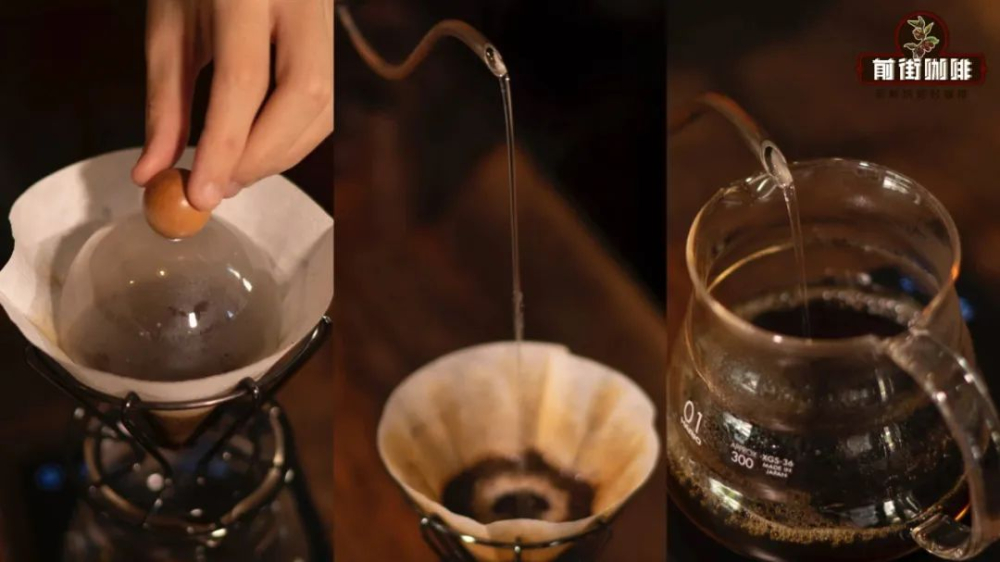
For example:Many coffee enthusiasts familiar with Japanese pour over styles might think of techniques like the "volcano pour" or "lid steeping method." These methods typically use a large amount of coffee grounds but only extract a small volume of coffee, resulting in an extremely low coffee-to-water ratio. The outcome is high concentration and intense flavor, while also reducing the risk of over-extraction and making it less likely to produce bitter tastes.
To deeply understand why "high concentration, low extraction" works, we first need to understand two key metrics: "concentration" and "extraction rate." These two values are the core factors influencing the flavor expression of coffee.
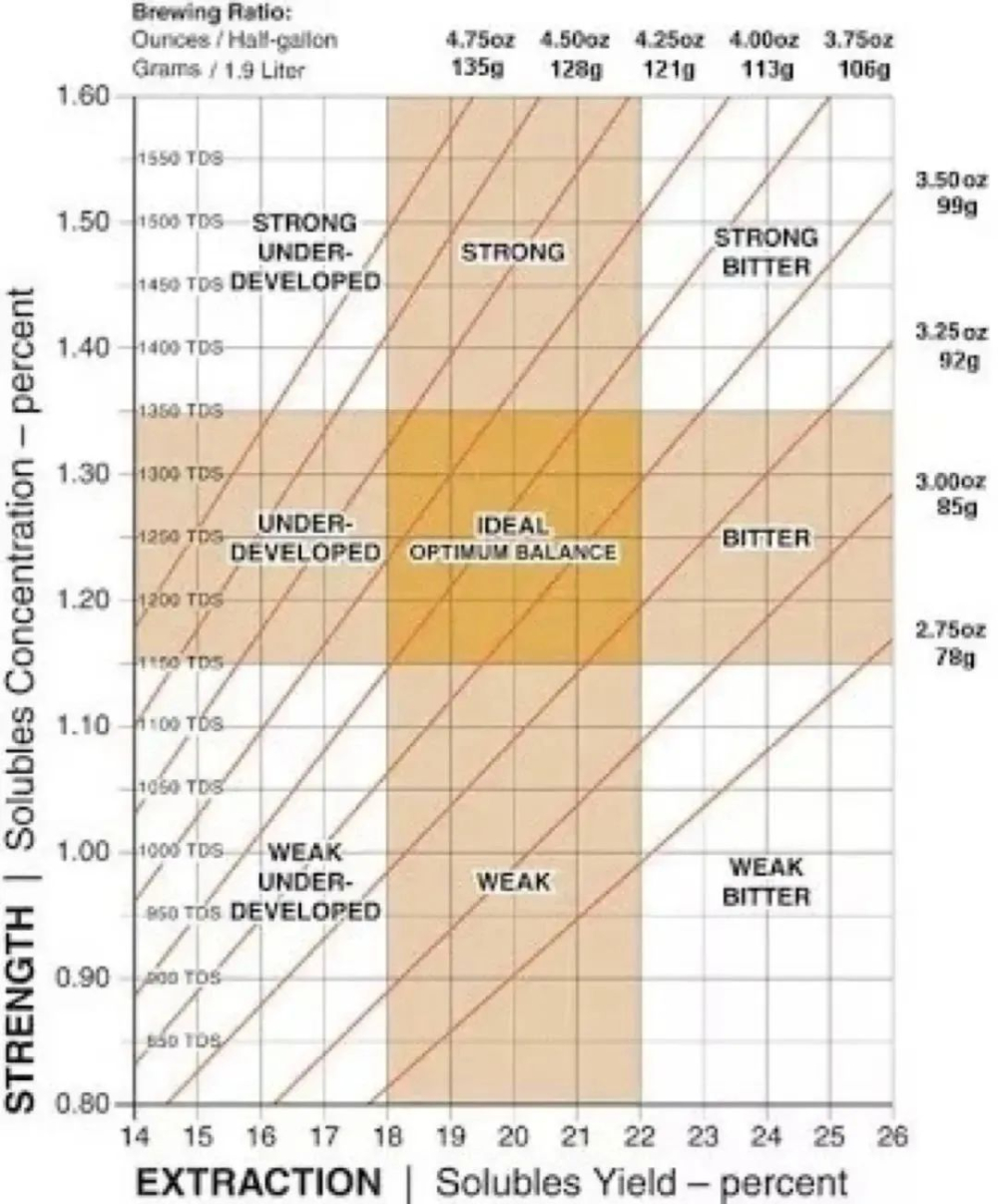
According to the Gold Cup Extraction Standard proposed by a leading American coffee research institution, a cup of coffee that most people consider "tasty" has aconcentration between 1.15% and 1.35%, and an extraction rate between 18% and 22%.Going beyond or falling below this range can easily lead to flavor imbalance.
The so-called "concentration" refers to the proportion of soluble substances in the coffee liquid relative to the total volume. To put it in a more relatable way: just like sugar water, too much sugar makes it overly sweet to the point of bitterness, while too little makes it bland. Similarly, if the coffee concentration is too low, it tastes like watered-down coffee with weak flavor; if it’s too high, it may be so thick that you can’t discern the nuances, or even become unpleasant to drink.
The "extraction rate," on the other hand, refers to the proportion of substances dissolved out of the coffee beans by water compared to the total soluble substances. When the extraction rate is too high (above 22%), coffee tends to develop over-extracted flavors like burnt bitterness or smokiness; if the extraction rate is too low (below 18%), it may result in sharp acidity, immature herbal notes, or even a flat taste.
Therefore, the core of the Golden Cup theory is to find the optimal balance between "concentration" and "extraction rate," ensuring the coffee’s flavor is neither too light nor too heavy, with distinct layers and a smooth taste.
So, why do we particularly adopt the "high concentration, low extraction" approach when dealing with certain types of coffee beans? This is usually related to the characteristics of the beans themselves.
For example,dark roast coffee beansdue to their high degree of roasting, have a looser internal structure. If brewed with conventional high extraction rate parameters, they are prone to over-extraction, resulting in noticeable bitterness and burnt flavors. Similarly,anaerobically processed coffee beans or beans that have been stored for a long timehave already undergone partial oxidation or release of their flavor compounds, and are also prone to extracting unpleasant tastes under standard parameters.
In such cases, by appropriately lowering the water temperature and adjusting the grind size, we can effectively reduce the extraction rate and avoid bitterness. But simply lowering the extraction rate, without changing the coffee-to-water ratio, will also cause the overall coffee concentration to drop, resulting in a flavor as thin as water — clearly not ideal.
Thus, the solution of "high concentration, low extraction" emerges: while reducing the extraction rate, the final concentration of the coffee liquid is increased by using more coffee grounds or reducing the total brewing water volume. This way, not only is the bitterness controlled, but the overall flavor also becomes more robust and concentrated.
In practice, this approach can be reflected in various brewing methods. For instance, you can simply adjust your familiar brewing parameters — for example, reducing the coffee-to-water ratio from the common 1:15 to 1:12 or even lower — to naturally achieve the effect of high concentration, low extraction. Additionally, some Japanese pour over schools deliberately use very high coffee doses and minimal water pouring to achieve an extremely low coffee-to-water ratio, thereby extracting a highly concentrated coffee liquid, which can then be optionally diluted (bypassed) according to personal preference.
Of course, each method has its pros and cons.When adopting a low extraction strategy, the main flavors extracted are from the front and middle stages of the coffee, while the later-stage flavors are less likely to be brought out, so the aftertaste may be relatively weaker.This means that not all coffee beans are suitable for the high concentration, low extraction approach, especially those with delicate flavors that require full extraction to showcase their layers — such as light or medium roasts — which might instead have their characteristics suppressed.
In summary, "high concentration, low extraction" is not mysterious. It’s simply a scientifically adjusted relationship between concentration and extraction rate, helping us better respond to coffee beans with different characteristics. Whether you’re a beginner in pour over or an experienced coffee enthusiast, mastering this concept will make your brewing more flexible and your coffee flavors more outstanding.
Next time you’re unsure how to brew a bag of dark roast or specially processed coffee beans, try adjusting the coffee-to-water ratio, lowering the water temperature, and exploring its hidden flavor potential through the high concentration, low extraction method.
The above content is compiled by CoffeeHunters, a coffee news website.


