








Introduction:Guji is an emerging hub for specialty coffee in Ethiopia that has risen to prominence in recent years. Since gaining independence from Sidamo in 2010, it has quickly garnered international attention for its distinctive flavors and high quality. This article explores Guji’s core geographical conditions, the advantages of its volcanic soil, and its high-altitude characteristics, while delving into the origin stories and flavor profiles of its three major sub-regions: Hambella, Shakiso, and Uraga. It will help you better understand the unique personalities of these regions and provide practical insights for selection and tasting.
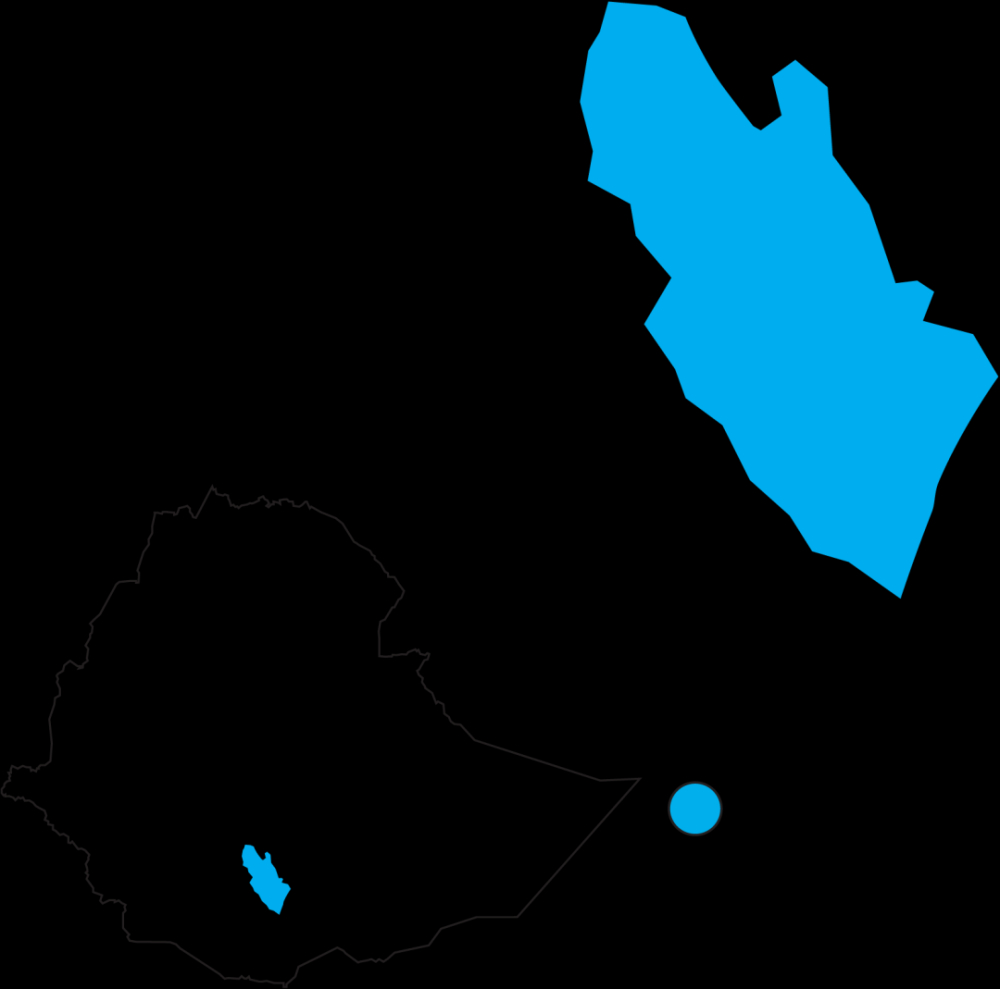
Guji is a significant specialty coffee-producing region located in southern Ethiopia. In 2010, within the country’s unique ECX (Ethiopian Commodity Exchange) trading system, it was officially separated from the Sidamo region due to its distinctly recognizable flavor profile. This move not only highlighted Guji’s uniqueness but also introduced a fresh trend to the global specialty coffee market. Administered under the Oromia Region, Guji lies on the southern edge of the Ethiopian Highlands and features diverse terrains including mountains, plateaus, valleys, and plains, offering highly varied microclimates ideal for coffee cultivation.

The soils of Guji are primarily composed of deep volcanic earth, with layers reaching nearly two meters in depth. The color is often dark brown or brownish, rich in a variety of minerals and organic matter. Many areas still retain pristine forests where fallen leaves and plant debris decompose naturally, forming an excellent source of natural nutrients—highly beneficial for the growth of coffee plants. The overall elevation commonly exceeds 1800 meters, and the large diurnal temperature variation allows coffee cherries to ripen slowly, accumulating rich aromatic and flavor compounds. Guji encompasses several well-known micro-regions, among which Hambella, Shakiso, and Uraga are the most renowned.
Hambella is one of the most representative sub-regions of Guji and the birthplace of the famous “Huika” coffee beans. Its location neighbors Kochere in Yirgacheffe, with a highland area of up to 3200 meters separating the two, about 30 kilometers apart. The coffee in Hambella is grown at elevations ranging approximately between 2100 and 2300 meters, with the main harvest season falling between November and January each year. Coffees from this region often exude clear floral aromas paired with sweet fruit notes such as blueberry, citrus, and peach. They offer a balanced and layered taste profile, making them highly favored by pour over and drip coffee enthusiasts.
Speaking of the history of Guji, one cannot overlook the region’s gold mining industry. Shakiso is located in the eastern part of Guji, and its northeastern area was once a major gold mining site, attracting a large number of miners. By the 1990s, Haile Gebre, the former governor of the Oromia Region, optimistic about the future of the coffee industry, made a bold transition from politics to agriculture. He chose to settle in Shakiso and started planting coffee alongside local farmers. This initiative not only improved local coffee cultivation techniques but also gradually brought Shakiso coffee into the spotlight. The elevation in this region generally ranges from 1800 to 2200 meters, and its coffee flavors are often described as having a “sweet lemon-honey tone,” featuring bright acidity paired with natural sweetness and floral notes—making it highly suitable for consumers who prefer a refreshing taste.
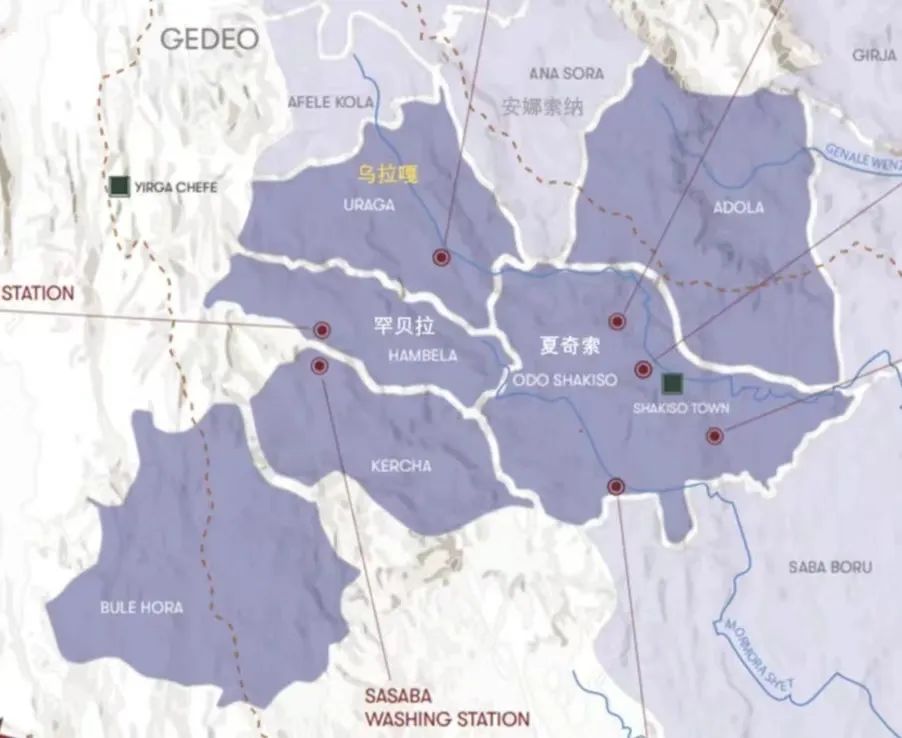
Uraga is the northernmost sub-region of Guji, bordering Yirgacheffe, and its elevation can reach up to 2300 meters—the highest among the three sub-regions. The soil here is fertile black earth, conducive to coffee trees absorbing nutrients and producing beans with intense flavors. Though Uraga gained fame later than the others, its outstanding performance in the 2019 TOH (Taste of Harvest) competition quickly earned its washed-process coffee beans the favor of international buyers. Coffees from this region typically exhibit a pronounced tea-like quality, accompanied by rich floral and fruity aromas and excellent acidity. They offer a delicate mouthfeel and a long-lasting aftertaste.
The renowned Dutch green coffee trading company Trabocca conducted a flavor profile analysis of coffees from the Guji region and found that citrus fruit aromas are the most common primary notes, followed by possible stone fruits (such as peach and apricot), berries (such as blueberry and blackcurrant), flowers (such as jasmine and rose), and chocolate. These coffees usually have lively and bright acidity, taste as refreshing as juice, have medium body, and a smooth mouthfeel. Overall, their flavor profiles strike a balance between the lightness of Yirgacheffe and the intensity of Sidamo, presenting a highly layered aromatic structure.
For coffee enthusiasts, understanding the geographic background and flavor characteristics of these regions not only helps in selecting beans with more direction but also allows adjustments in grind size, water temperature, and brewing time during pour over or other brewing methods—further bringing out the potential of each bean. For example, Hambella coffee is suitable for medium-fine grinding, with a water temperature of around 90–92°C, using a medium flow rate in pour over to preserve its delicate floral notes; whereas Uraga is recommended to slightly lower the water temperature to 88–90°C to slow down acidity release and enhance its tea-like quality and sweetness.
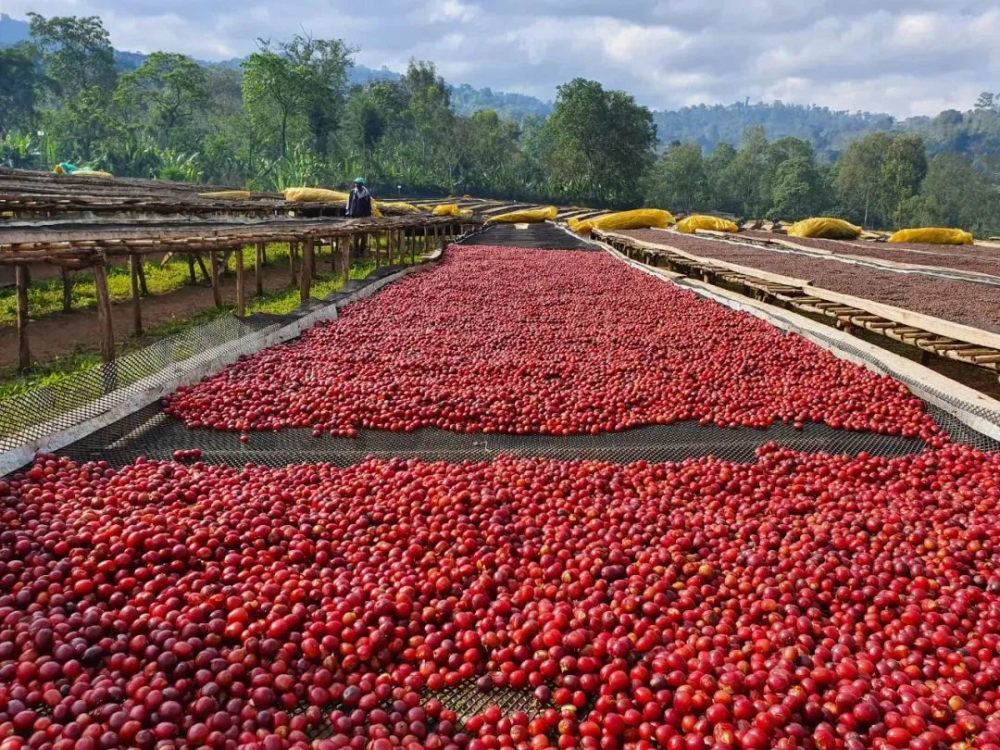
In summary, the Guji region, with its unique geographical environment, diverse microclimates, and rich volcanic soil, produces a variety of distinctive specialty coffees. Whether you’re a beginner in the world of coffee or a seasoned connoisseur pursuing ultimate flavors, exploring the three major sub-regions of Hambella, Shakiso, and Uraga will give you a more comprehensive experience and understanding of Ethiopian coffee.
The above content is compiled by CoffeeHunters, a coffee news website.


