







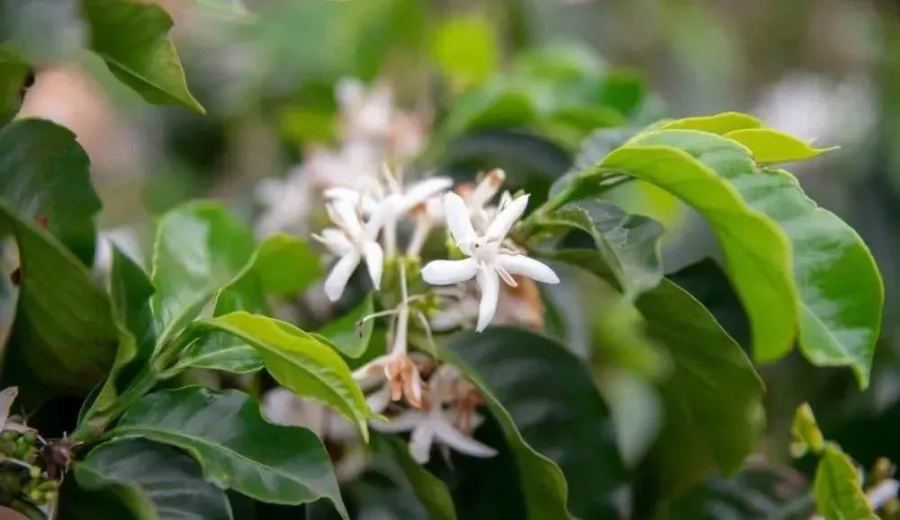
Introduction:Do you know which coffee variety is the "ancestor" of Arabica? Eugenioides is not only the forebear of classic cultivars like Typica and Bourbon, but also stood out with its unique sweet-tea and tropical-fruit flavors, winning double championships in 2021. However, this coffee bean is extremely low-yielding and difficult to cultivate, with only small-scale experimental plantings around the world. This article delves into its historical origins, flavor characteristics, and cultivation challenges, helping you understand this exceptionally rare hidden gem of coffee.
Among the many coffee varieties, Arabica has long held a central position in the specialty coffee market due to its delicate flavors and high quality. Well-known varieties such as Typica, Bourbon, and Geisha all evolved from Arabica. But what you may not know is that Arabica’s own lineage can be traced back to an even older variety — "Eugenioides."
This little-known variety is regarded as the "progenitor" of modern Arabica coffee, possessing a genetic background distinctly different from mainstream Arabica. In 2021, it garnered attention by winning awards at both the World Barista Championship (WBC) and the World Brewers Cup (WBRC) for its unique flavor profile, instantly becoming a focal point in the industry.
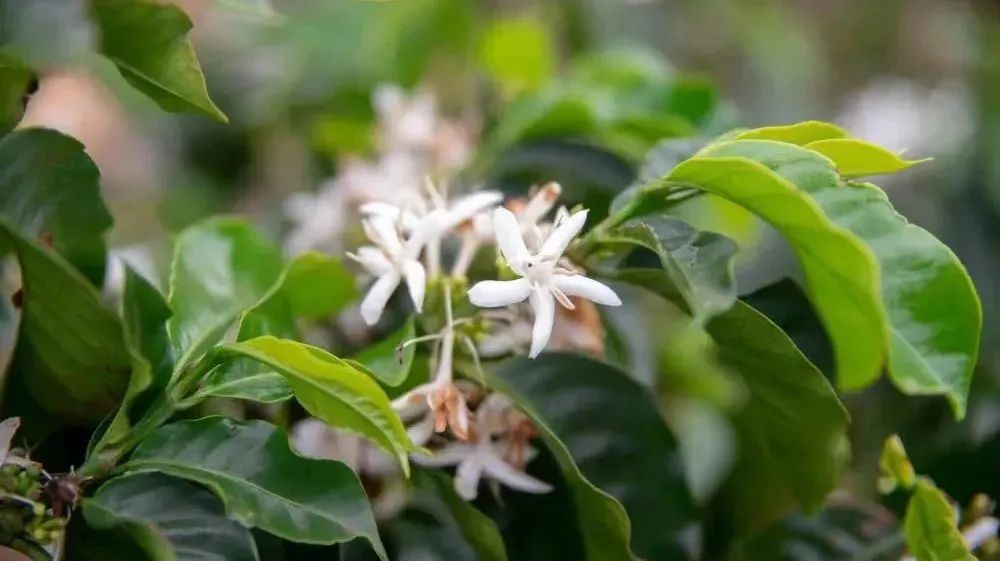
The flavor profile of Eugenioides is very distinctive — it has a smooth mouthfeel and pronounced sweetness, with almost none of the sharp citrus acidity commonly found in regular coffee. Its overall character is more like "coffee that doesn’t taste like coffee." Many tasters describe its flavors as resembling sweet tea, passion fruit, and even featuring a rich jackfruit aroma, with layers of complexity and surprising appeal. Additionally, its caffeine content is only about half that of regular Arabica, ranging from 0.6% to 0.8%, making it relatively more tolerable for those sensitive to caffeine.
However, behind this captivating flavor lies a very high cultivation threshold. Eugenioides plants are of medium to small size, with leaves and coffee cherries much smaller than those of typical varieties. The trees are relatively weak and have poor adaptability to environmental changes. Their fruit set is extremely low, and the cherries tend to drop easily, especially suffering greater losses in windy conditions, thus requiring highly meticulous field management.
In terms of yield, Eugenioides is exceptionally scarce. A mature plant under natural conditions can produce only about 150 grams of roasted beans per year; if grown in a controlled greenhouse environment, the yield can increase to approximately 320 grams of green beans per tree, but still remains far below the output of mainstream commercial varieties.
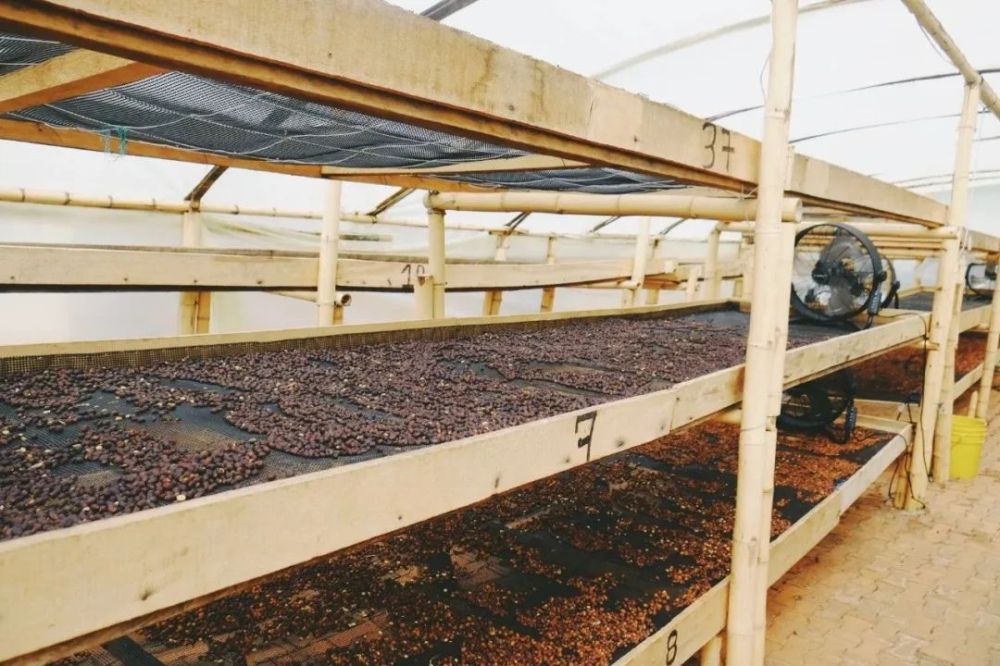
Currently, the origin of Eugenioides is believed to be certain highland regions in East Africa, but the specific country of origin has not been fully confirmed. Due to its high cultivation difficulty, scarcity in yield, and increasing threats from climate change, coffee leaf rust, and various pests and diseases in recent years, most coffee farmers are reluctant to take the risk of planting this variety.
At present, only a few estates around the world are conducting experimental plantings, among which Colombia’s Finca Sagrada and Finca Nevado are relatively well-known. These farms are making efforts to preserve this precious coffee genetic resource through strict environmental controls and technical investments. Although the market supply is extremely limited, some specialty coffee importers and roasting brands have introduced this variety, offering it to coffee enthusiasts for tasting experiences — providing a glimpse into the true character of this "Arabica progenitor."
In summary, Eugenioides is not only the genetic origin of the Arabica family but also stands out in the coffee world as an extraordinary rarity, thanks to its rare flavor characteristics and extremely low yield. If you’re a coffee enthusiast interested in unique flavors and the evolution of coffee varieties, learning about Eugenioides will open a window into the history and future of coffee.
The above content is compiled by CoffeeHunters, a coffee news website.


