








Introduction:Have you ever noticed that the flavor of your coffee significantly diminishes once it cools down slightly? Though warming your cup may seem like a simple act, it can actually have a subtle yet important impact on both the taste and aroma of your coffee. This article delves into whether preheating cups is necessary when brewing espresso or pour over coffee, offering practical advice and specific techniques based on factors such as serving temperature, cup material, and environmental conditions—helping you achieve the optimal drinking experience for every cup.
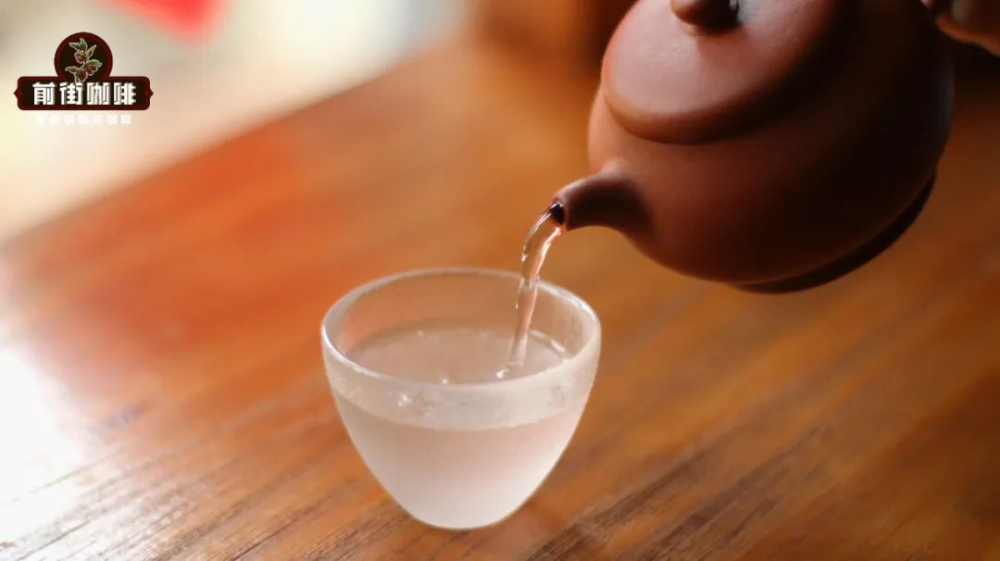
Many tea enthusiasts have the habit of warming their teapot and cups before brewing, believing it not only cleans the utensils but also raises their temperature and helps release the tea’s aroma. So, is the same step needed in the world of coffee? Many coffee lovers believe that preheating cups helps maintain an ideal serving temperature, thereby influencing overall flavor and mouthfeel. Others, however, argue that warming cups isn’t essential and makes little difference. This article will explore both espresso and pour over coffee, analyzing the actual effects and limitations of cup warming under varying serving temperatures, cup materials, and drinking scenarios, while also providing flexible, practical recommendations.
Take common espresso-based drinks as an example—such as espresso shots, hot lattes, flat whites, and cappuccinos. These beverages are often at their most captivating when served piping hot—the aromas are intense, and the textures are smooth and delicate. However, once the temperature drops, the aroma noticeably weakens, and the mouthfeel can become bland or even rough. Especially when completely cooled, the overall drinking experience often falls short. Therefore, controlling the serving temperature is crucial for espresso-based drinks.

Taking the popular hot latte as an example, professional baristas typically control the steamed milk temperature to around 55~65℃. After mixing with the espresso shot, the overall drink temperature usually falls within the range of 50~60℃. This temperature range not only offers the smoothest mouthfeel but also helps maintain the stability of latte art patterns.
Since milk-based coffees like lattes are often served in thick-walled ceramic cups, which have good thermal conductivity, using a cup at room temperature will quickly absorb heat from the coffee, causing the liquid temperature to drop. This affects the stability of the milk foam and the perception of the sweetness from lactose. Particularly in colder seasons, lower ambient temperatures can further accelerate the overall cooling of the coffee and the collapse of the foam. As a result, many cafés store spare cups near or above the espresso machine, utilizing residual heat from the boiler to keep them warm—especially during autumn and winter, when such pre-warmed cups are better suited for direct table service.
However, if the indoor temperature is relatively high—for instance, exceeding 25℃—and the cups have already become too hot due to proximity to a heat source, using them immediately for hot milk coffee not only makes handling difficult but may also detract from the drinking experience. In such cases, it’s recommended to briefly rinse the inside of the cup with warm water. This helps avoid burns and also effectively reduces heat loss from the coffee.
Compared to espresso, pour over coffee exhibits a different sensitivity to temperature across various flavor profiles. During the pour over process, different temperature ranges—high, medium, and low—bring out distinctly different taste characteristics. Therefore, whether or not to warm the cup often depends on the shape and capacity of the cup you’re using.
Generally speaking, the high-temperature range for pour over coffee is around 50~70℃. Coffee served above 70℃ is usually too hot, making it difficult to discern subtle flavors. While you can still perceive distinct fruit acidity, finer nuances become harder to distinguish. The medium-temperature range is considered the golden zone for appreciating detailed flavors, typically between 35~50℃. Within this range, the balance between acidity and sweetness becomes more apparent, and flavor layers are easier to detect. As for the low-temperature range, generally below 35℃ and down to room temperature, coffee is more likely to release undesirable off-flavors.
For example, if you use 90℃ hot water for your pour over and preheat the server with water of the same temperature, the coffee liquid will typically reach around 70~75℃by the time it finishes dripping. Pouring it into a small, room-temperature cup not only allows it to cool naturally to a more drinkable range but also helps highlight flavor sensitivity. However, if you’re using a wide-mouthed, deep-capacity cup, the coffee will lose heat much faster. In such cases, you might consider a practice similar to the Cantonese tradition of “rinsing the bowl” before meals—pre-warming the cup with hot water. This helps slow down temperature loss and maintain the best possible drinking condition.
In summary, although warming your cup isn’t an essential step in brewing coffee, doing so—whether by preheating or gently warming—can indeed enhance the overall drinking experience, depending on the cup material, serving temperature, and environmental conditions. Whether you’re making espresso or pour over coffee, understanding key temperature ranges and cup characteristics allows you to adjust flexibly according to different situations, ensuring each cup is enjoyed at its best.

The above content is compiled by CoffeeHunters, a coffee news website.


