







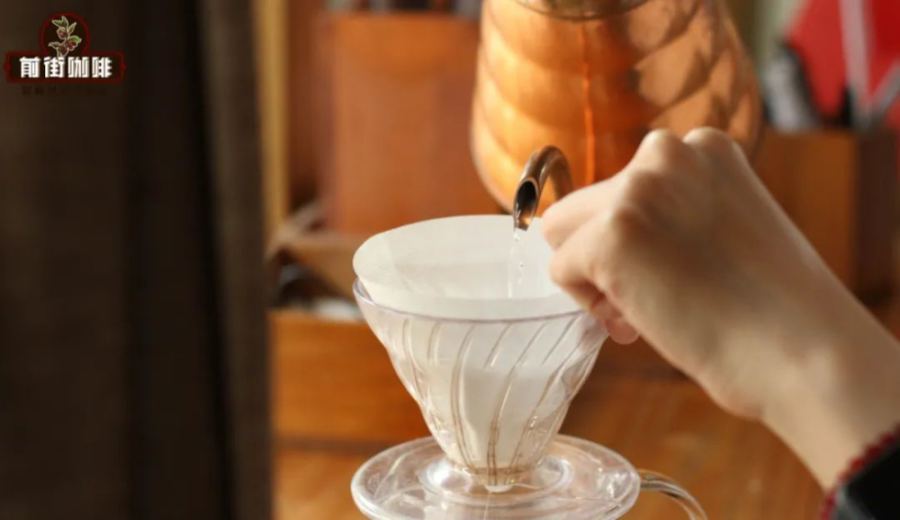
Introduction:Wetting the filter paper is a fundamental step in pour over brewing, but is it better to use hot water or room temperature water? In this practical test, we used three types of filter materials—resin, ceramic, and copper—under identical brewing conditions, comparing the effects of wetting the filter with room temperature water versus water above 90°C. We observed subtle changes in brew temperature, concentration, and flavor. The results showed that water temperature not only affects extraction efficiency but also alters the expression of sweetness and acidity. Understanding these differences can help you fine-tune your technique and brew coffee that tastes just right.
In the process of pour over brewing, the step of wetting the filter paper may seem simple, but it holds quite a bit of nuance. Many coffee enthusiasts often wonder: should I use hot water or room temperature water to wet the filter? This small detail can have an unexpectedly significant impact on the final coffee flavor.
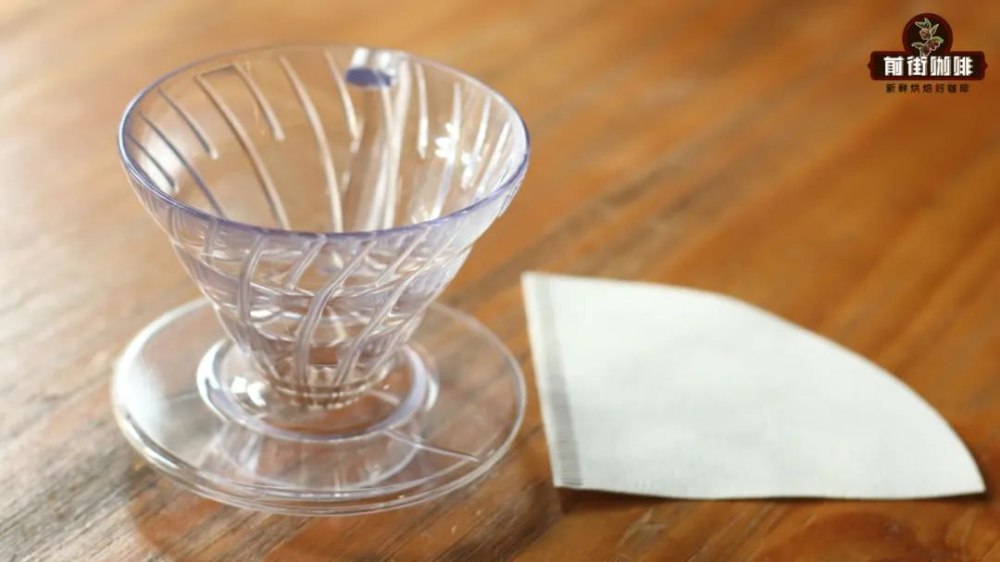
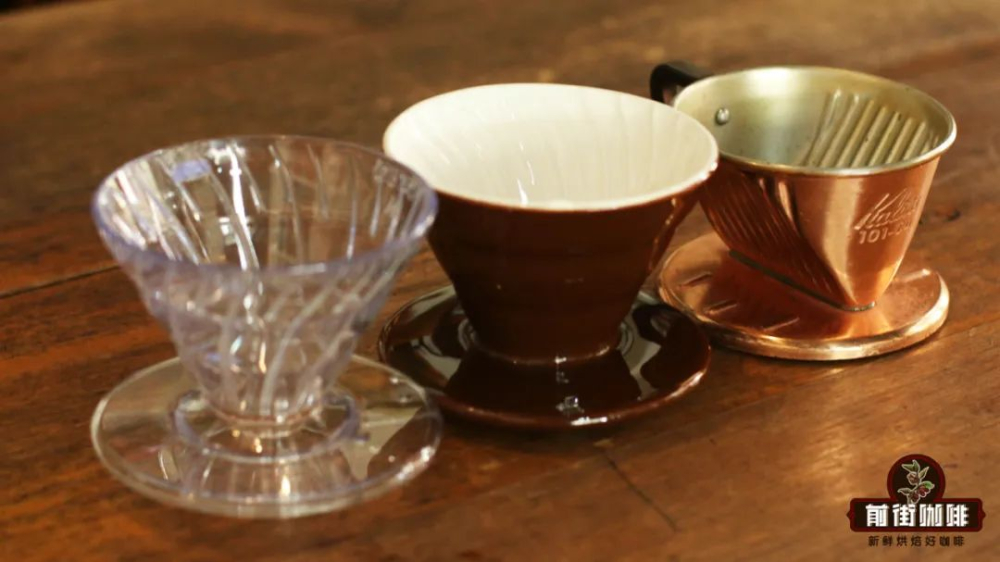
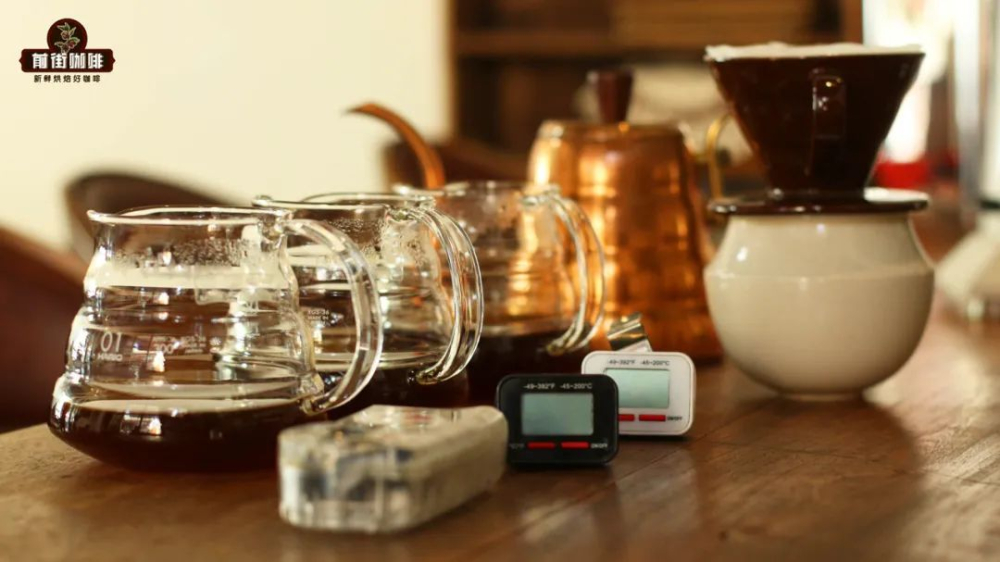
For this experiment, we specifically selected three common filter materials—resin, ceramic, and copper—and pre-wet the filter papers using both room temperature water and water above 90°C. Keeping all other variables constant—including using moderately light-roasted Ethiopian Santa Vini coffee beans, 15 grams of coffee, a 1:15 coffee-to-water ratio (total water volume 225 ml), a brew water temperature of 92°C, EK43 grind size 10, and a three-pour brewing method—we observed the actual effects of different water temperatures on extraction results.
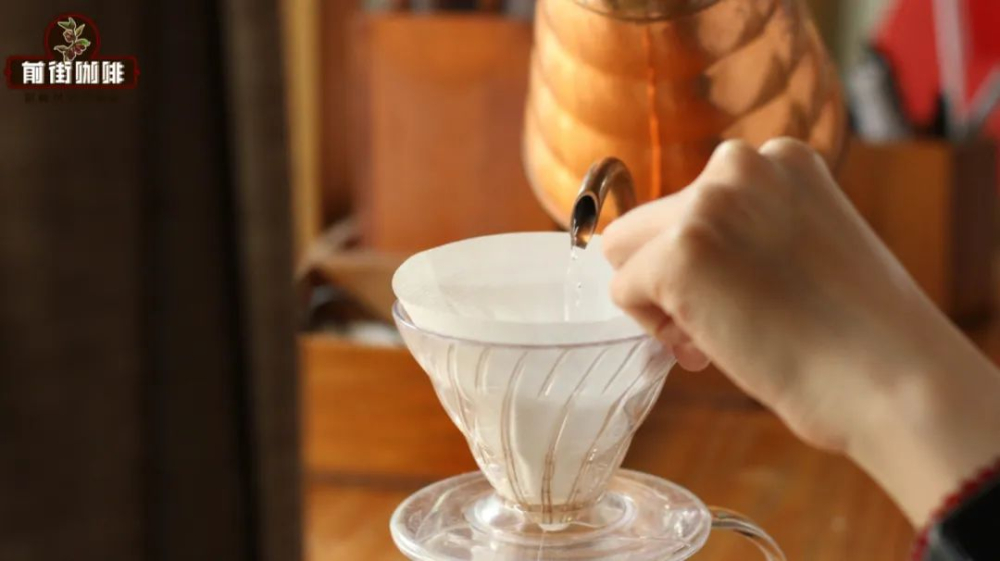
Many people assume that wetting the filter is just to eliminate the papery taste of the filter itself, but in reality, the filter is merely a medium. What truly influences flavor is the interaction between the filter material and the water temperature. When you wet the filter with water at different temperatures, the temperature of the filter cup itself also changes accordingly, which in turn affects the overall extraction performance of the coffee.
Next, let’s take a look at the actual differences in extraction under various filter and water temperature conditions.
I. Performance of Resin Filter Cups
When room temperature water was used to wet the filter, the final brew temperature was 65°C, and the measured concentration was 14.9%. After switching to hot water for filter wetting, the brew temperature slightly increased to 67°C, while the concentration slightly decreased to 14.7%. Although the temperature change was minor, the slight difference in concentration was enough to influence flavor expression.

II. Differences in Ceramic Filter Cups
With ceramic filter cups, when wetted with room temperature water, the brew temperature was 66°C and the concentration was 14%. After preheating the filter with hot water, the brew temperature rose to 71°C and the concentration increased to 14.4%. This group showed the most noticeable temperature difference, indicating that ceramic material reacts more significantly to heat.
III. Observations on Copper Filter Cups
Copper filter cups demonstrated high thermal conductivity. With room temperature water, the brew temperature was 66°C and the concentration was 14.3%. When switched to hot water, the brew temperature rose to 70°C and the concentration was 14.5%. The copper material quickly absorbs heat and distributes it evenly, contributing positively to extraction stability.
In terms of flavor profile, all three types of filter cups—whether using room temperature or hot water—showed distinct tropical fruit notes, including pineapple, mango, and citrus aromas. But upon closer tasting, it could be noticed that the room temperature water group exhibited more pronounced sweetness, with a round and balanced mouthfeel, whereas the hot water group delivered brighter and livelier acidity, resulting in a refreshing and crisp sensation.
Where do these flavor differences come from? The key lies in the “temperature rise range of the filter cup” and its “heat retention capability.”
When hot water is used to wet the filter, the filter cup itself rapidly increases in temperature. This prevents the filter cup from lowering the brew water temperature by absorbing heat during the blooming and pouring stages. Instead, it maintains a stable hot environment, which helps improve overall extraction efficiency—especially promoting the release of acidic compounds—resulting in more pronounced acidity in the hot water group.
Conversely, when room temperature water is used, both the filter cup and surrounding equipment (such as the server) remain at room temperature. During the blooming stage, they absorb some of the heat, causing the initial brew temperature to be slightly lower, leading to a gentler release of acidity. However, as the temperature gradually rises, sweet compounds are steadily released, resulting in a more balanced sweet-to-acid ratio.
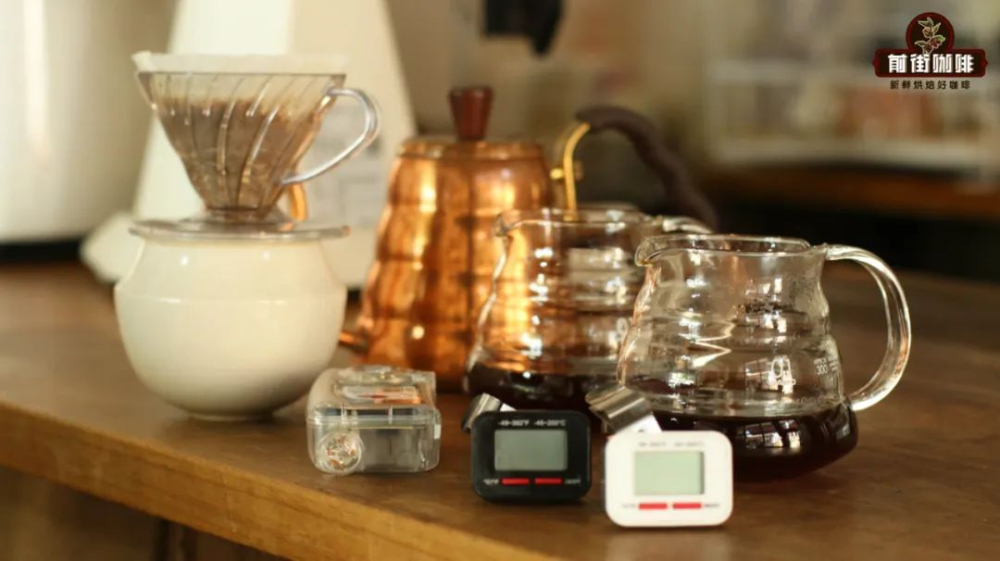
Based on the combined experimental data and actual tasting experiences, we can conclude that the water temperature used to wet the filter does subtly affect the coffee’s extraction efficiency and flavor expression. While the differences may not be extremely large, for coffee enthusiasts who pursue precision and personal taste preferences, such fine adjustments are definitely worth incorporating into your daily pour over routine.
Whether you prefer bright and crisp acidity or rich and sweet body, feel free to experiment with adjusting the water temperature for wetting the filter according to your own taste preference, and discover the cup of coffee that suits you best.
The above content is compiled by CoffeeHunters, a coffee news website.


