







Introduction:Explore the diverse charm of pour over coffee by delving into six mainstream brewing methods — from the foundational one-pour technique to the advanced stirring method. Each technique influences the balance of acidity, sweetness, bitterness, and the complexity of mouthfeel. This article not only details the step-by-step logic, suitable bean varieties, and flavor profiles of each method but also provides practical parameter suggestions and solutions to common issues, helping you master the brewing rhythm precisely and extract your ideal flavors.
The allure of pour over coffee lies in its flexible brewing approaches that can yield distinctly different flavor profiles. From simple single-pour methods to complex variable temperature strategies, each technique reflects the barista’s precise control over flavor. This article systematically breaks down six classic pour over techniques — one-pour, three-stage, 4-6 method, three-temperature, volcano pour, and stirring method. It analyzes operational details and flavor correlations from the principles of segmented pouring, water temperature control strategies, to grind size matching, and also supplements solutions for common issues encountered during actual brewing.
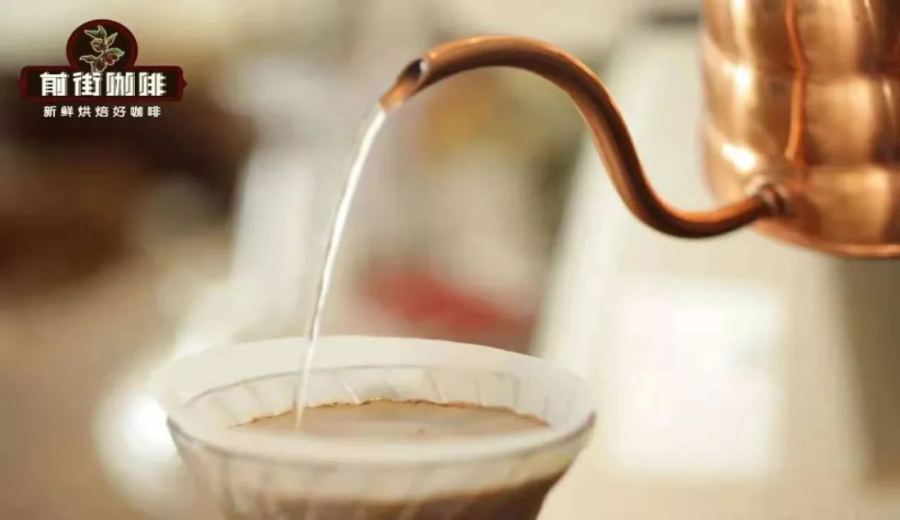
One-PourRather than a simple single infusion, this method is divided into two stages: first, a small amount of hot water is used for a bloom of around 30 seconds (for example, about 30 ml of water for 15 grams of coffee grounds) to activate the coffee; then the remaining 195 ml of hot water is poured all at once to complete the extraction. This technique is widely adopted due to its intuitive operation and high stability.Total brew time is approximately 2 minutes, effectively avoiding the extraction of astringent substances in the later stages and delivering a clean and refreshing acidity with clear fruity notes. Its name is inspired by the Japanese swordsmanship concept of “one strike, one kill,” metaphorically representing the decisive and sharp motion of the pour.
Three-StageCurrently the most commonly used foundational technique in specialty coffee shops, its core logic is to precisely capture different flavor compounds through segmented pouring — hot water first dissolves acidic compounds (such as citric acid, malic acid), then releases sweet components (like caramel and caramelization byproducts), and finally introduces slight bitterness to balance the overall taste. For example, using 15 grams of coffee and 225 ml of water, the process is divided into: bloom with 30 ml → first pour of 95 ml → second pour of 100 ml. The more segments there are, the higher the frequency of water flushing through the coffee bed, **and the brew time is usually extended to 2 minutes 30 seconds to 3 minutes**, resulting in a richer layering of flavors, especially suitable for medium to light roasted beans with citrus or floral profiles.
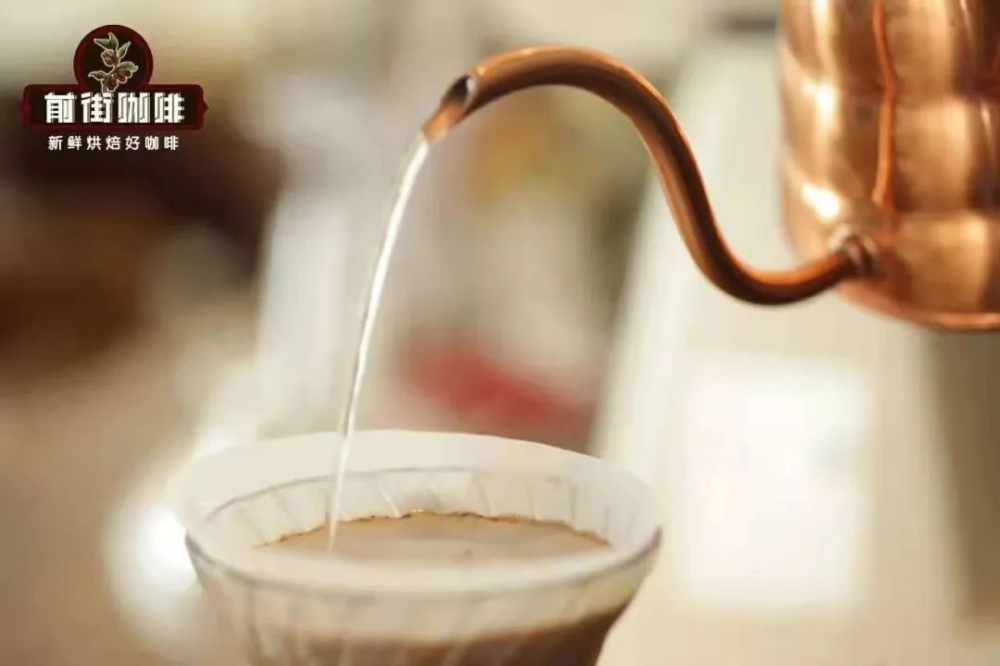
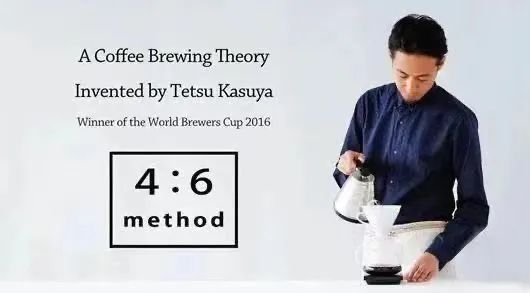
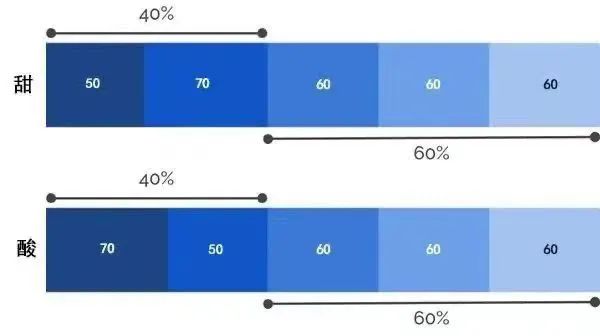
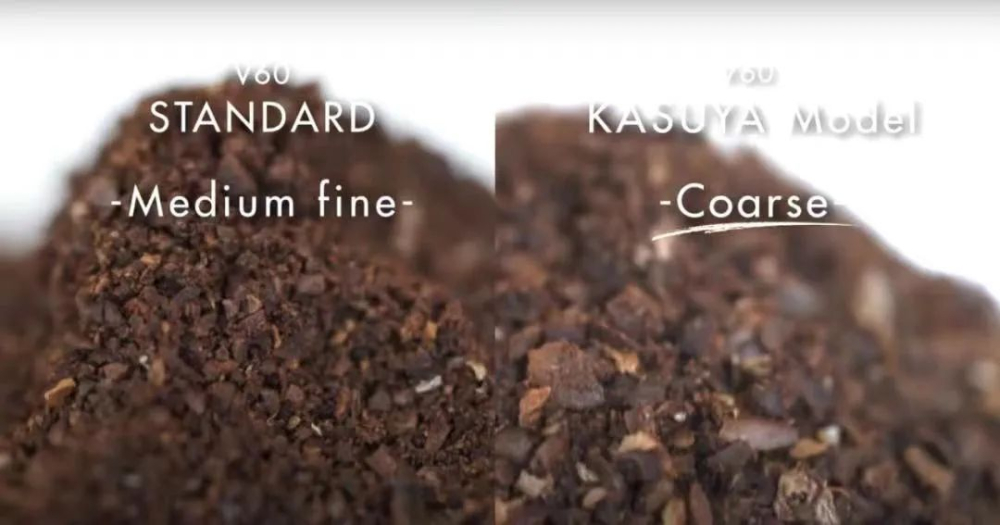
4-6 MethodProposed by Japanese coffee expert Tetsu Kasuya, it emphasizes the idea that “you don’t need complex skills to brew good coffee.” Its core is dividing the total water volume into two parts: the first 40% (e.g., 120 ml out of 300 ml) determines the flavor base (acid-sweet balance), while the latter 60% (180 ml) governs the body and richness. The standard parameters are 20 grams of coffee with 300 ml of water, poured in five segments (60 ml each, with 45-second intervals). However, many beginners over-extract due to not adjusting grind size — under prolonged extraction, regular grind sizes release too many impurities.The solution is to adjust the grind to be coarser, with about 50% of particles passing through a #20 sieve (similar in texture to medium-coarse sugar), which extends the water flow time while reducing the risk of over-extraction from fine particles, ultimately yielding a rich finish of nuts and chocolate.
Three-TemperatureThis is an advanced variable-temperature extraction technique designed by barista Wu Zelin, optimizing flavor extraction efficiency through stepped water temperature changes. For example, using 16 grams of coffee and 240 ml of water: the first two segments (40 ml + 60 ml each) use a high temperature of 94°C to quickly extract the initial fruity and floral acidity; the third segment (60 ml) drops to 90°C to stabilize the release of sweetness; the final segment (40 ml) uses 80°C to avoid bitterness in the tail. This transition of “high → medium → low” temperature resembles the thermal stratification of a hot spring area (hence the name three-temperature), **and requires repeated testing to determine the optimal temperature combination**, but when successful, it highlights a balanced profile of bright acidity and rich body.
Volcano PourNamed for the way the coffee bed domes up in the center like a volcanic crater during pouring, this method is particularly suited for dark roasted beans (such as Mandheling or Brazilian natural). When using this technique, a fan-shaped filter cone (such as KONO or fan-shaped V60) is recommended, with a coffee dose of 30 grams or more (for more visual effect), and a slightly coarser grind than usual pour over (around 800 microns). First, pour about twice the coffee dose in hot water (approximately 60 ml) for a 30-second bloom to allow CO₂ to release fully. Then, **pour small amounts of water (10–15 ml each time) in a fixed central location with a gentle stream**, guiding the water to evenly penetrate through the natural cavity formed by gas release from the coffee bed. This technique not only offers dynamic, volcano-like visual appeal but also brings out a balanced flavor of rich caramel sweetness and low acidity due to the dense material release from dark roasts.
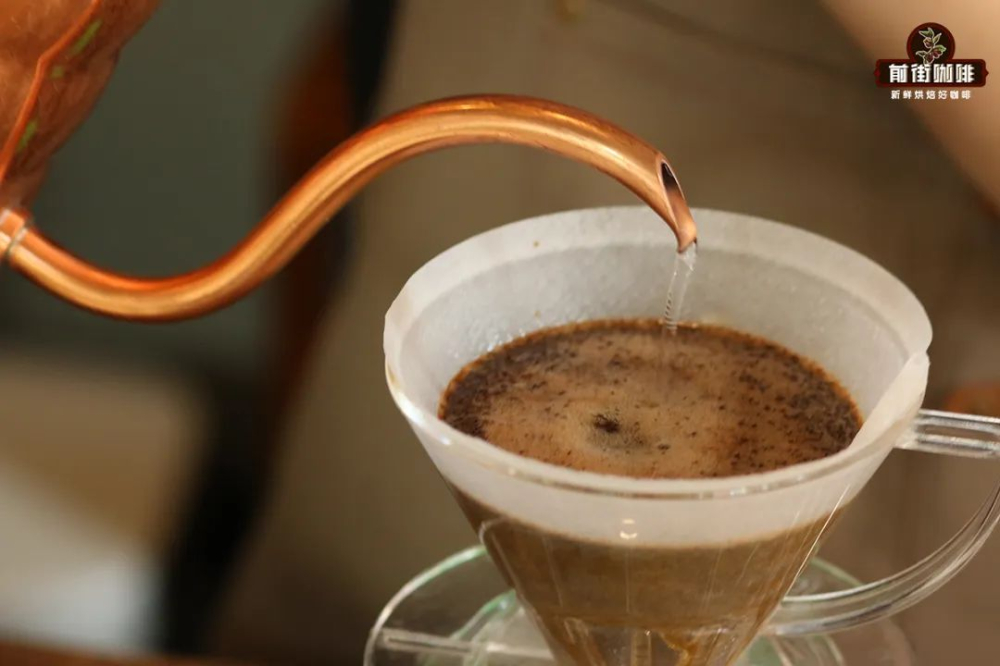
Stirring MethodOriginating from the competition technique of 2012 World Brewers Cup champion Matt Perger, it involves using a stirring stick (or chopsticks) to perform a rapid “up-down → left-right → up-down” three-phase stirring motion (about 10–15 rotations) during the bloom phase to accelerate the contact between hot water and coffee grounds. However, this method demands a high level of skill:Over-stirring can cause fine particles to settle and clog the filter paper, leading to slow dripping or even overflow; moreover, the stirring intensity and direction need to be adjusted according to the bean type (gentler for light roasts, slightly stronger for dark roasts). If trying this method, it is recommended to first practice controlling the stirring range with a small amount of water (e.g., 30 ml for blooming), and ensure no coffee grounds are left at the bottom of the filter cone, as otherwise channeling may occur, affecting the overall extraction uniformity.
Regardless of which method you choose, the core always revolves around the three essential elements of coffee flavor — the freshness of acidity, the fullness of sweetness, and the restraint of bitterness. Understanding how each technique affects the release sequence of these elements (for instance, high temperatures tend to highlight acidity, while lower temperatures reduce bitterness extraction) allows you to flexibly adjust parameters based on personal taste preferences. For beginners, the three-stage method remains a reliable choice for entry-level and everyday brewing due to its stable flavor performance and moderate difficulty.
The above content is compiled by CoffeeHunters, a coffee news website.


