







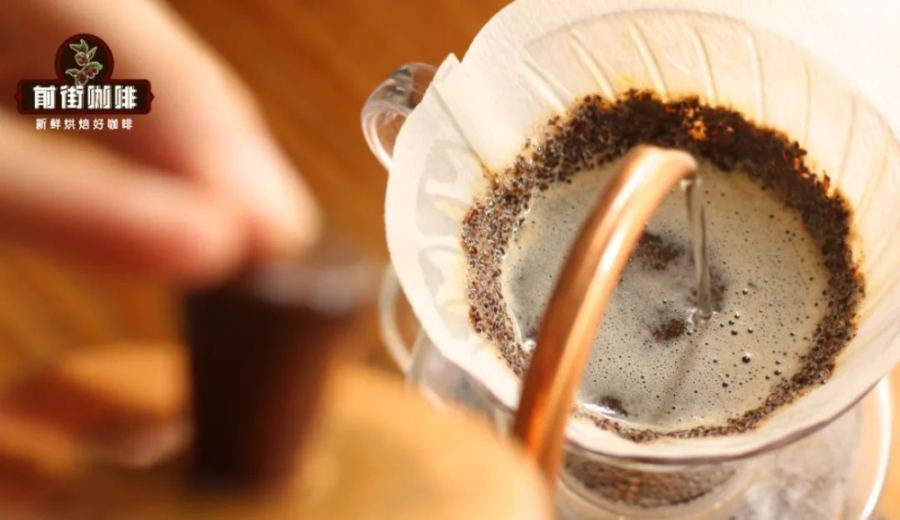
Introduction:Have you ever wondered how the same coffee beans can produce vastly different flavor profiles simply by adjusting the grind size and brewing speed? This article delves into the theoretical foundations and practical differences between two popular pour over methods: "fine grind fast brew" and "coarse grind slow brew." Through controlled comparisons under identical parameters, we’ll explore how to adjust brewing strategies based on grind size and help you find the coffee extraction method that suits you best.
In the world of pour over coffee, beyond common brewing techniques, two distinct schools have emerged in recent years, clearly differentiated by grind size and brewing time: one employs a finer grind to complete extraction in a shorter time, known as "fine grind fast brew"; the other takes the opposite approach, using a coarser grind with a longer brewing time to gradually release flavors, referred to as "coarse grind slow brew." Though both methods follow the fundamental principles of coffee extraction, their differences in grind fineness and water flow control ultimately yield markedly different taste and aroma profiles.
This article will break down the scientific background of these two methods by examining key factors such as coffee grounds' surface area, water flow rate, and filter choice. Using a medium-roasted Papua New Guinea Bird of Paradise bean with consistent parameters—brew ratio (1:15), water temperature (90°C), and a three-pour technique—we conducted practical tests with both the V60 and Kono filters. You’ll directly experience the differences in flavor complexity, body, and aftertaste between fine grind fast brew and coarse grind slow brew, helping you better master the art of pairing grind size with brewing technique.
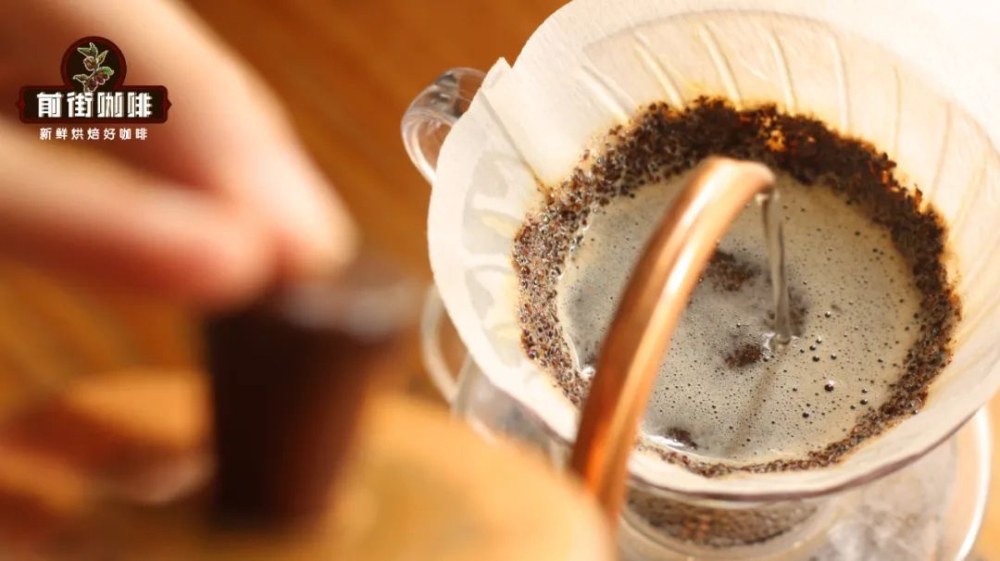
In recent years, aside from common pour over methods, two major camps have gradually formed online, categorized by grind level and extraction time: one prefers a fine grind with quick extraction, called "fine grind fast brew," while the other insists on a coarse grind with extended brewing time, or "coarse grind slow brew." Though seemingly opposing, both stem from different interpretations and applications of coffee extraction principles—so what are the actual differences in flavor and mouthfeel they deliver?
If you’ve ever wondered why some baristas prefer to quickly brew bright-flavored coffee while others insist on slowly releasing a rich body, the answer likely lies in the delicate balance between grind size and brewing time. Next, we’ll start with theory to deeply understand the scientific basis behind these two methods and how they influence the final extraction results.
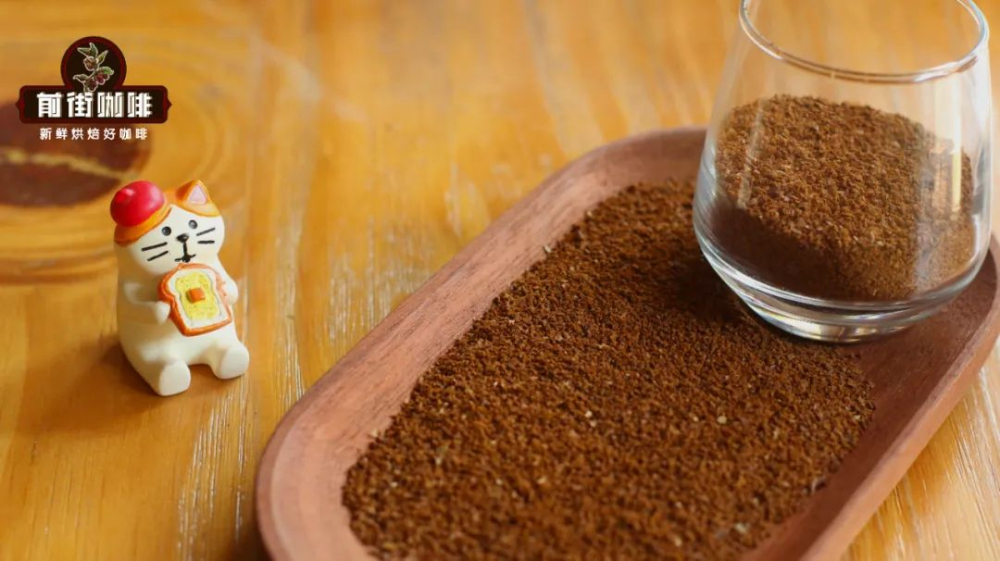
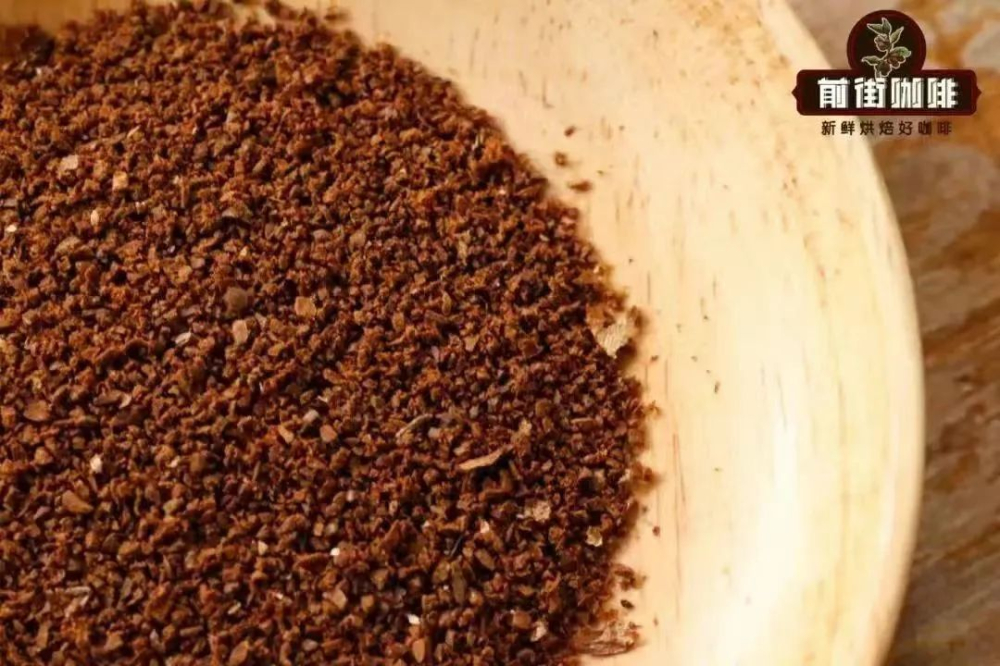
The reason fine grinds suit fast brewing while coarse grinds favor slow extraction lies in the significant difference in the surface area of coffee particles and the ease with which water penetrates them. Fine-ground coffee, though smaller in individual particle size, has a larger overall surface area and a shorter distance from the particle interior to its surface. This allows hot water to quickly penetrate and extract aromatic compounds. As a result, fine grinds typically require only a short time to achieve effective extraction, avoiding excessive release of bitter and astringent substances.
It’s worth noting that while extremely fine grinds can further increase surface area, they’re prone to static electricity, causing the particles to clump together. This reduces the effective extraction surface and may even trigger channeling or clog the filter, affecting extraction uniformity and flow rate—a potential issue many beginners overlook when chasing ultra-fine grinds.
In contrast, coarse-ground coffee particles are larger, with a smaller total surface area and a longer path for water to travel from the surface to the interior. This results in noticeably lower extraction efficiency, requiring more time for the hot water to fully penetrate and draw out flavor compounds. This is why longer brewing times are generally recommended for coarse grinds to ensure proper release of flavor substances and avoid the thin, under-extracted taste.

Beyond grind size itself, filter design also plays a pivotal role in these two brewing methods. The size of the gaps between coffee grounds directly affects water flow speed and extraction uniformity, making the right filter choice crucial.
When using fine grinds, the gaps between coffee particles become narrow. Without good flow guidance, hot water can easily become obstructed, prolonging extraction time and increasing the risk of over-extraction, leading to unpleasant bitterness and astringency. Therefore, for fine grind fast brew, filters like the V60—with its guiding ridge structure that facilitates rapid water flow—are generally recommended to maintain stable flow rate and extraction efficiency.
Conversely, coarse grinds have larger gaps between particles and lower water resistance. If paired with a filter that allows too-fast flow, the brewing time may become too short, preventing full extraction of flavor compounds and resulting in a thin, one-dimensional taste. In such cases, filters like the Kono—whose ridges are concentrated at the bottom to effectively slow the flow—help extend the contact time between water and coffee, promoting more complete extraction.
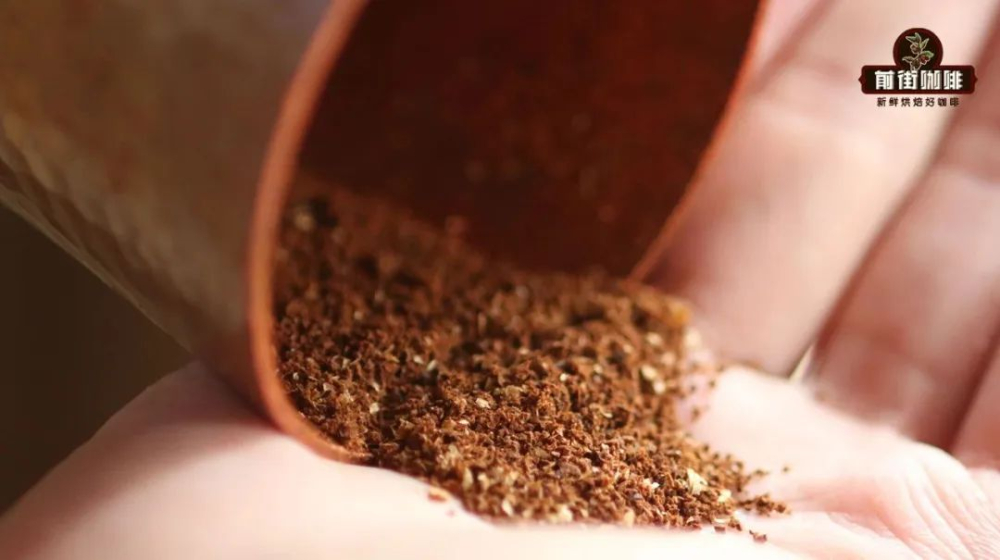
With this theoretical foundation in mind, we move on to practical testing. Using the same medium-roasted Papua New Guinea Bird of Paradise coffee beans, with consistent parameters—brew ratio (1:15, i.e., 15g coffee to 225ml water), water temperature (90°C), and a three-pour technique—we directly compared the two methods: fine grind (EK43 grinder at setting 10, ~80% through a #20 sieve) with the V60 filter, and coarse grind (EK43 grinder at setting 10.5, ~75% through a #20 sieve) with the Kono filter, observing the specific differences in their flavor profiles.
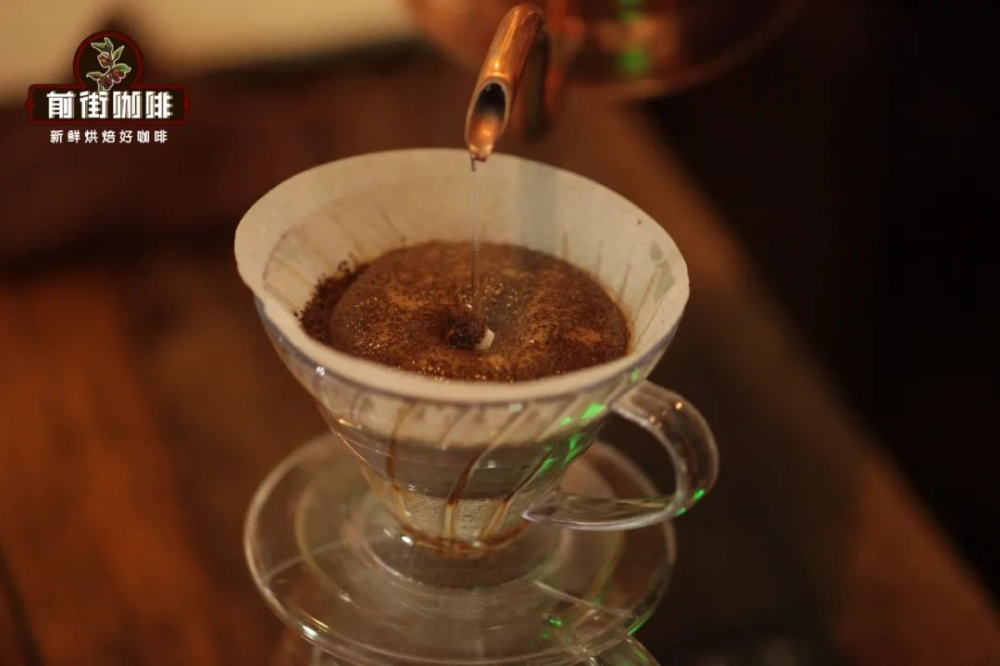
During the experiment, both methods began with a 30-second bloom phase, pouring double the coffee’s weight in hot water (~30ml). This was followed by a second pour of 120ml within 20 seconds, with observation of the dripping speed and total brew time. Results showed that the fine grind fast brew Bird of Paradise completed dripping in about 1 minute and 17 seconds, while the coarse grind slow brew took approximately 1 minute and 25 seconds—revealing clear differences in flow rate and extraction rhythm.
The above content is compiled by CoffeeHunters, a coffee news website.


