







Introduction:Many coffee enthusiasts wonder: does latte art affect the taste of a latte? Does an aesthetically pleasing design mean it tastes better? Through comparative experiments using the same espresso and milk foam to prepare both latte art and non-art lattes, and inviting multiple participants for blind tastings, we uncover the relationship between latte art and flavor. This article provides an in-depth analysis from aspects such as the actual testing process, the principles of milk foam and crema integration, and baristas’ perspectives to help readers understand the key factors that influence latte flavor.
Many coffee lovers often have this question: does latte art affect the flavor of a latte? Does a beautiful latte art pattern mean the coffee tastes better? To explore this, an interesting comparative experiment was conducted—using the same batch of extracted espresso and milk foam of identical texture, both latte art and non-art lattes were prepared, and multiple people were invited for blind taste tests. The results showed that the two cups of coffee performed almost identically overall, with only subtle differences in the first sip.
Through this experiment, we will delve into the actual impact of latte art on latte taste from the perspectives of the actual testing process, the principles of milk foam and crema integration, as well as insights from professional baristas. We’ll also share the key elements that contribute to a great latte, helping you better understand the details behind coffee quality.
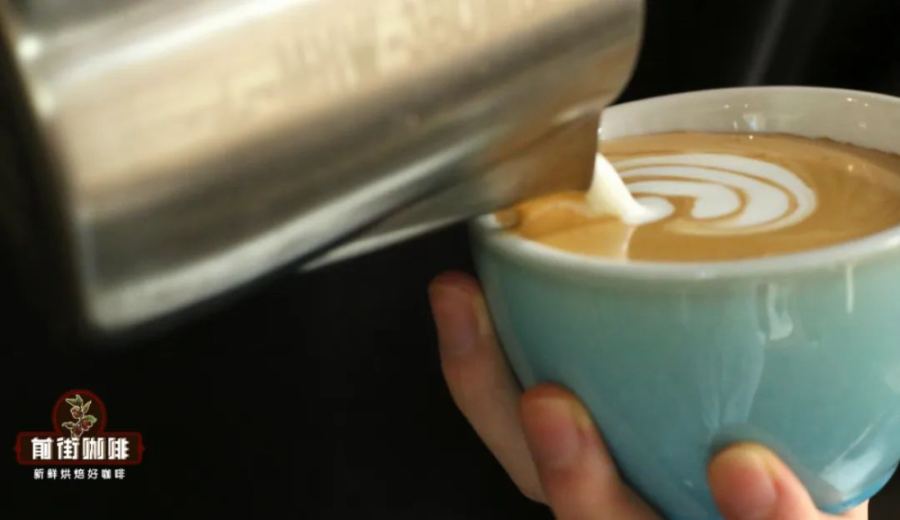
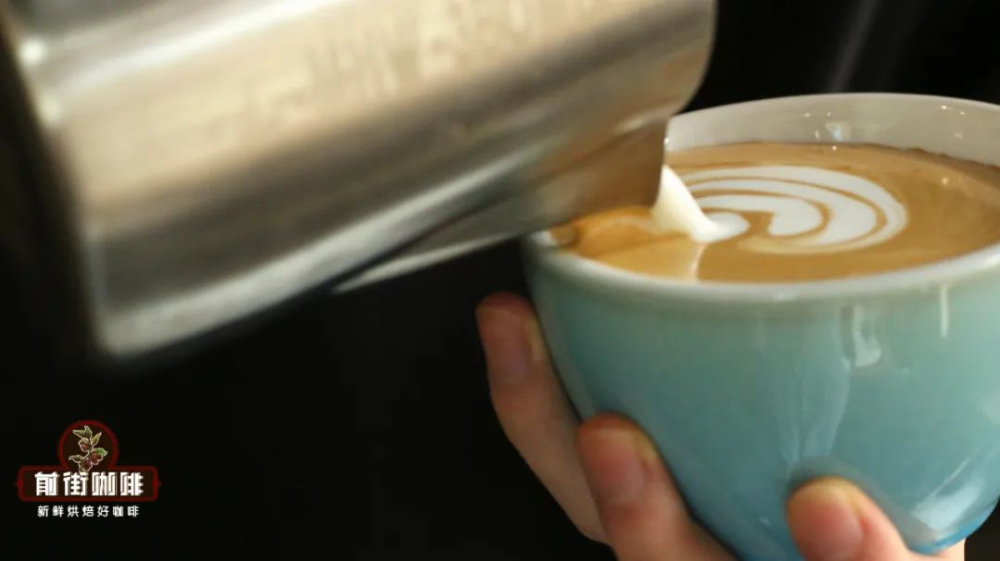
Latte art refers to the process where a barista steams milk into a fine, smooth, and highly fluid milk foam, then pours it into the espresso using specific techniques, allowing the foam to naturally rise to the surface and form clear, aesthetically pleasing white patterns. This is not just a display of skill, but also a form of visual coffee art.
Creating beautiful latte art requires several conditions to align properly, including: the milk foam needing to be of moderate thickness (approximately a medium-fine, dense and silky foam), good fluidity, the espresso’s surface crema (coffee oils) being in ideal condition, along with the barista’s skilled pouring and pattern-creating techniques. As a result, many assume: does the act of pouring latte art alter the final taste of the coffee?
To test this, a small-scale experiment was designed. First, 19.9 grams of coffee grounds were used to extract espresso through a pour over manifold, taking about 29 seconds, yielding a total of 40 grams of extracted liquid. Then, approximately 20 grams of espresso were poured into two ceramic cups of the same size. Next, a medium-thick milk foam was steamed from the same 300-gram batch of milk and poured sequentially into the cups. One cup was poured without any latte art, only integrating the milk foam with the espresso; the other cup, once filled to about six-sevenths full, began forming a leaf-shaped pattern.
Multiple participants were then invited for blind tastings. The general feedback indicated that the two lattes showed little difference in overall temperature, concentration, flavor, and mouthfeel. However, a few noted that the first sip of the latte with art seemed slightly more intense, with the coffee aroma standing out more prominently; the non-art latte, on the other hand, felt more balanced and rounded. From the second sip onward, the mouthfeel of both was nearly indistinguishable.
The cause of the slight difference in the first sip is closely related to the "golden circle" formed by the integration of the coffee crema and milk foam. When espresso is freshly extracted, its surface is covered with a dark brown crema, which tends to have a stronger and more bitter flavor. When latte art is poured, the dark crema and white milk foam mix evenly, creating a golden-hued base that appears more layered visually. The larger the pattern, the more crema is pushed to the rim, deepening the golden “background,” potentially resulting in a more intense initial coffee flavor.
In contrast, a non-art latte allows the crema and milk foam to integrate more uniformly, achieving a better balance in the overall ratio of milk to coffee, resulting in a relatively more balanced mouthfeel. It’s evident that latte art can indeed cause minor fluctuations in the flavor of the first sip, but the extent of the impact is quite limited.
Overall, as long as factors such as coffee bean selection, milk quality, espresso extraction parameters (e.g., grind size, water temperature, pressure, and time), milk foam texture, and pouring technique are all handled properly, a delicious latte can be produced whether or not latte art is applied. The beauty of the latte art has a greater impact on visual presentation and photo appeal than on the essence of flavor.
Although latte art itself doesn’t directly make the coffee exponentially better-tasting, a hot latte with simple, attractive patterns not only enhances visual enjoyment but also indirectly reflects a well-executed espresso extraction, stable and delicate milk foam, and showcases the barista’s skill and care. This is why many consumers pay particular attention to whether a coffee has latte art, and the quality of that art.
From a barista’s perspective, latte art is not just decoration—it’s also an expression of passion for the coffee-making process and a way to connect with customers. Through latte art, customers can sense the professionalism and dedication of the barista, thereby enhancing the overall drinking experience. That’s precisely why latte art has become an indispensable part of coffee culture, encouraging more people to take an interest in coffee and even delve deeper into technical exploration.
In summary, the actual impact of latte art on latte flavor is minimal, but it still plays an important role in elevating the visual aesthetics of the overall coffee experience and showcasing the barista’s craft. If you want to enjoy a latte close to professional standards at home, it’s recommended to first master the basic skills of espresso extraction and milk foam preparation, while latte art can be seen as an advanced, added bonus.
The above content is compiled by CoffeeHunters, a coffee news website.


