







Introduction:Bypass brewing is a frequently overlooked yet extremely practical technique in pour over coffee that can help adjust over-extracted or under-extracted brews, and even plays a key role in making iced coffee. This article takes an in-depth look at the principles, practical applications, and operational details of bypass (by pass), helping you master this useful skill that stabilizes flavor and rescues flawed brews.
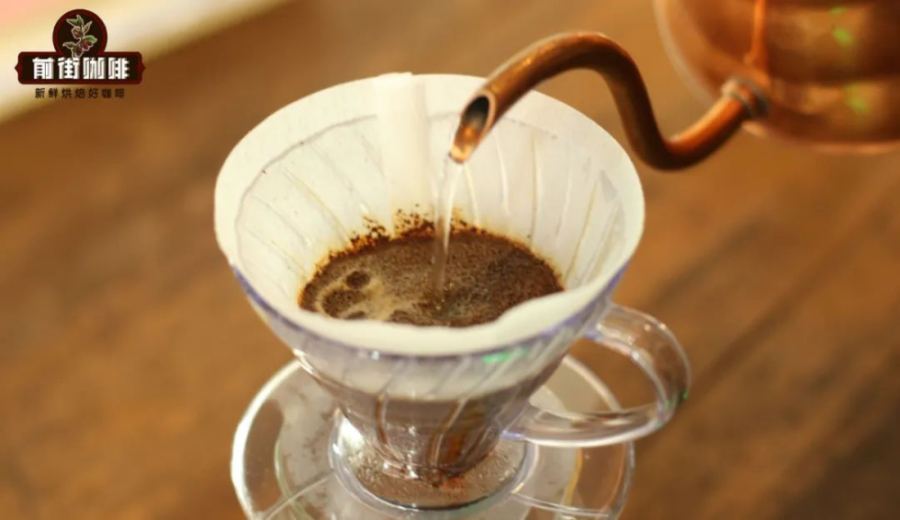
In the process of pour over coffee, aside from the mainstream method of extracting flavor through water passing through coffee grounds, there is also a commonly ignored but highly practical technique — bypass pouring (by pass). So-called bypass refers to pouring hot water directly into the server without passing through the coffee grounds, thereby mixing with the already extracted coffee liquid. Though seemingly simple, this method can effectively adjust the concentration and flavor profile of the coffee, and is a common adjustment tactic used by baristas in real-world brewing.
What is bypass (by pass)?
In the standard pour over process, hot water penetrates the coffee grounds and extracts flavor compounds from them. However, if some of the hot water does not pass through the coffee grounds but instead flows directly into the server and mixes with the already extracted coffee liquid, this portion of water is referred to as "bypass water." Since it does not participate in extraction and only serves to dilute, it can flexibly adjust the overall taste and concentration of the brewed coffee.

The main functions of bypass: adjusting concentration and improving flavor
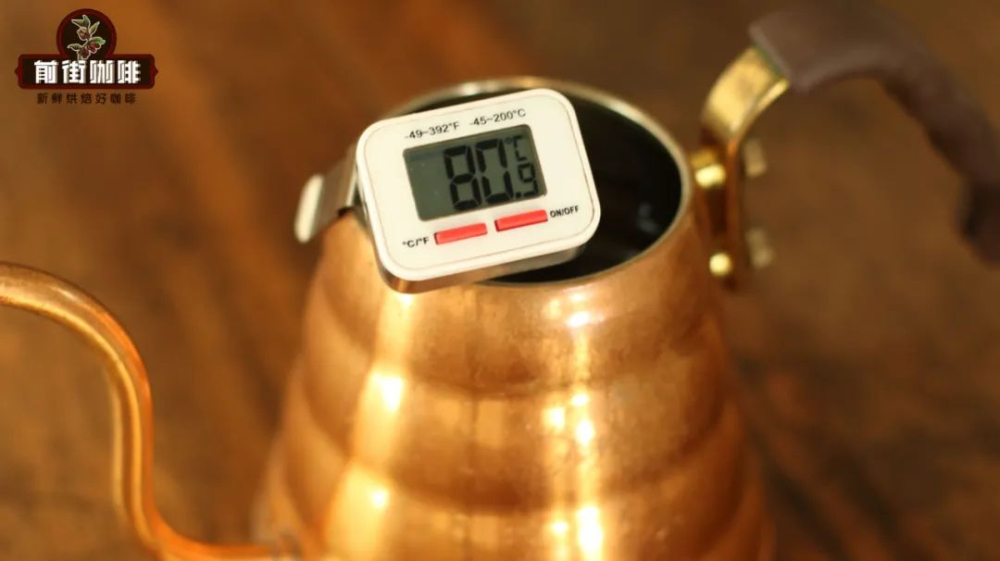
When coffee is overly concentrated, its flavors can become oppressive and muddled, making it difficult to distinguish different layers. In such cases, injecting an appropriate amount of warm water via bypass can open up the flavors, allowing the balance between acidity, sweetness, and bitterness to return, resulting in more distinct layers. For example, there was a case where 20 grams of coffee grounds were used with 300 milliliters of hot water, giving a brew ratio of 1:15, but due to poor control during extraction, the acidity stood out and the fruity notes were unclear. At this point, adding about 20 milliliters of bypass water at around 80°C significantly brought out refreshing notes of grape, passion fruit, and citrus, making the overall taste cleaner and more transparent.
Here are two details to pay special attention to:First, the water temperature should be similar to the current coffee liquid temperature, usually around 80°C, to avoid excessive extraction due to too high a temperature; second, the amount of water added needs to be precisely controlled. It’s recommended to adjust gradually in increments of 10–30 milliliters to avoid over-dilution affecting the overall integrity of the flavor.

Where else can bypass be used? An analysis of four practical scenarios
1. Making iced coffee
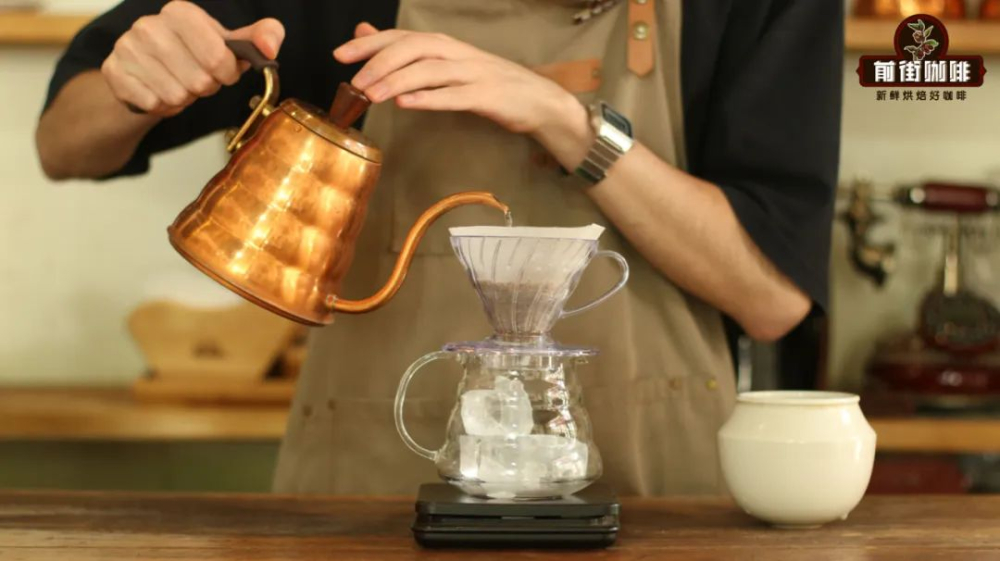
Iced coffee is itself an extension of the bypass concept. A common iced pour over method involves reserving part of the brewing water to be replaced with ice, achieving cooling and dilution as the ice melts. In addition, adding highly concentrated cold brew or iced drip coffee to cold water or ice also uses the bypass principle, allowing the concentrated flavors to be released more gently.

2. Rescuing fine particle blockages and over-extraction crises
Lightly roasted beans, due to their dense texture, require a finer grind size to increase contact surface area, but this can also easily produce fine particles, leading to poor filtration, longer extraction times, and the extraction of excess impurities and off-flavors. If you notice that the flow rate slows down significantly toward the end of the brew, you can choose to cut off dripping early, stop the filtration, assess the current coffee concentration, and then make micro-adjustments with low-temperature bypass water as needed, avoiding having the entire brew ruined by over-extraction.
3. Competition-level application: the advanced technique of concentrating then diluting
In professional coffee competitions, some competitors use a large dose of coffee grounds to extract, highlighting the positive flavors in the early stage of the brew (such as clear acidity and high sweetness), and then dilute the overall concentration through bypass pouring to achieve a balanced expression that is flavorful yet not overly intense. This technique is often used in competition scenarios requiring precise control over flavor output.
Bypass is not a cure-all: these situations can’t be rescued
Although bypass can effectively adjust concentration and open up flavors, it cannot “reverse” extraction problems that have already occurred. If coffee is over-extracted, resulting in obvious bitterness or excessive astringency, even adding bypass water for dilution will only turn it into “diluted bitter water,” unable to restore the original balance. Similarly, for under-extracted coffee with dull flavors, bypass cannot add the layers and aromas that are lacking.
Summary: Mastering bypass helps you handle various pour over situations with more ease
Bypass pouring, though not a necessary step in pour over brewing, is an important adjustment tool in the hands of many experienced baristas. Whether used to correct overly concentrated coffee, rescue extraction imbalances caused by fine particle issues, or enhance flavor performance in iced coffee, using bypass well allows you to present your ideal coffee flavors more calmly and precisely during the pour over process.
The above content is compiled by CoffeeHunters, a coffee news website.


