







Introduction:Coffee latte art is not just decoration on a latte; it is the crystallization of a barista’s skill and creativity. From an accidental heart-shaped milk foam in the 1980s to the complex three-dimensional designs seen in competitions today, how has this technique evolved? This article takes you deep into the history of latte art and explores how modern tools like pitchers and etching needles help baristas push the boundaries of creativity.
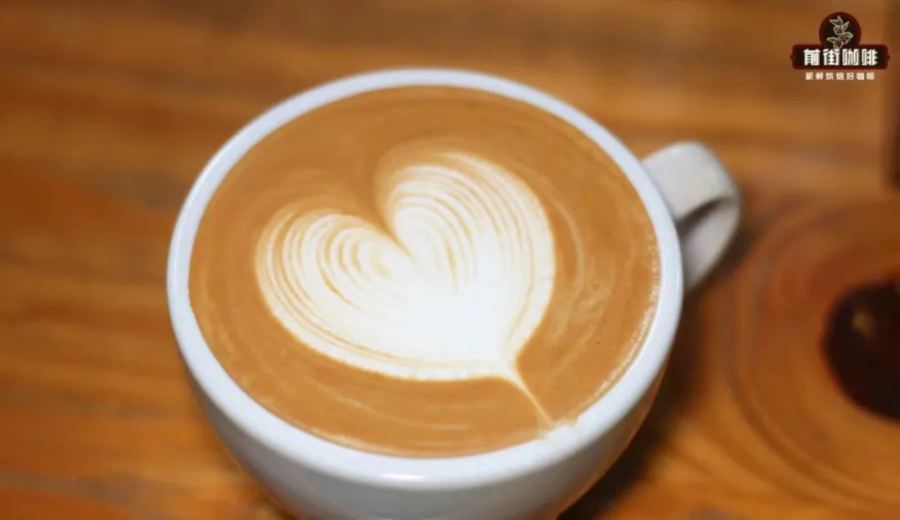
Known colloquially as "milk art," coffee latte art is a professional technique that combines espresso with steamed milk to create intricate patterns on the surface of the coffee. What was once considered a basic skill for baristas originated from a serendipitous pour—when white milk foam naturally formed a shape resembling a heart on dark espresso. Little did anyone know that this would give rise to a global visual art form in coffee.
Early latte art was limited to simple heart shapes. Over time, the craft expanded to include leaves, roses, and even complex compositions blending animals and creative motifs. It evolved from a personal expression to a competitive event in international contests, attracting countless coffee enthusiasts. Meanwhile, tools ranging from pitcher designs to cup shapes continued to innovate, pushing the art of latte art beyond its original framework.
In English, latte art refers to the creation of visual patterns on the surface of coffee using finely steamed milk, achieved through precise pouring and merging techniques. This technique dates back to the 1980s in the United States, when barista David Schomer accidentally formed a heart-like pattern on the coffee surface in his mobile coffee cart. The unexpected result was so well-received by customers that he began systematically studying how to consistently create heart shapes, eventually developing more advanced patterns such as leaf designs.
As David refined his techniques and shared his findings with the industry, latte art gradually evolved from a personal creative endeavor to a focal point for baristas worldwide. In 1992, he further developed the rose pattern and started offering training courses to promote latte art. Notably, Italian latte art pioneer Luigi Lupi also exchanged latte art videos with David via the internet around this time, sharing techniques and elevating the craft together, laying the foundation for its international growth.
Entering the 21st century, latte art experienced explosive growth. At the World Latte Art Championship, competitors used advanced pouring and drawing techniques to create complex designs featuring animals and nature themes, such as horses, owls, butterfly-and-flower, and swans. Some even incorporated edible dyes to create colored latte art, moving beyond the traditional monochrome of coffee crema and milk. These innovations not only enriched the visual language of latte art but also elevated the technique to new heights, attracting more people to the world of coffee.
With the rise of the specialty coffee movement, modern baristas have pursued latte art with increasing professionalism. They not only hone their foundational skills but also dedicate significant time to studying how to create three-dimensional and dynamic aesthetics on the coffee surface. In this process, the selection and application of various tools have become key to enhancing creative expression.
【The Evolution of the Pitcher】Modern milk pitchers have long surpassed their original role as mere containers. The market offers a wide variety of pitchers, with differences in spout design, body curvature, capacity, and overall weight—all of which affect the stability of the milk pour and control over flow rate.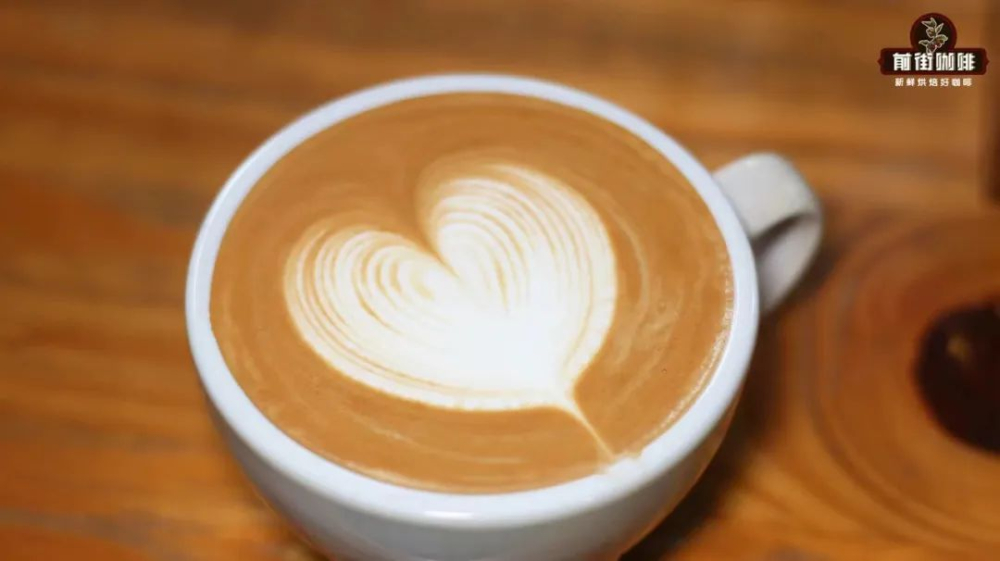
【The Impact of Cup Shape】In addition to the pitcher, the choice of latte cup is equally crucial. Whether round-bottomed, flat-bottomed, made of glass or ceramic, different cup designs influence how milk and espresso merge, the speed of flow, and the final presentation on the surface. Baristas must select the most suitable cup type based on the desired design to achieve the best balance between visual appeal and taste.
【The Diversity of Milk】While traditional whole milk is most ideal for latte art, many baristas today also use alternatives such as skim milk, oat milk, and blended milk. Differences in protein and fat content among these milks directly affect the texture and stability of the foam, requiring adjustments in steaming techniques to achieve optimal results.
【The Use of Etching Needles】When fine lines or detailed embellishments are needed, an etching needle becomes an indispensable tool. This specialized tool typically features one pointed end and one spoon-like end. The pointed end is used for outlining, while the spoon-like end is suited for filling in larger areas. Baristas often start with a basic design using the pitcher and then refine details with the etching needle, achieving more challenging artistic creations.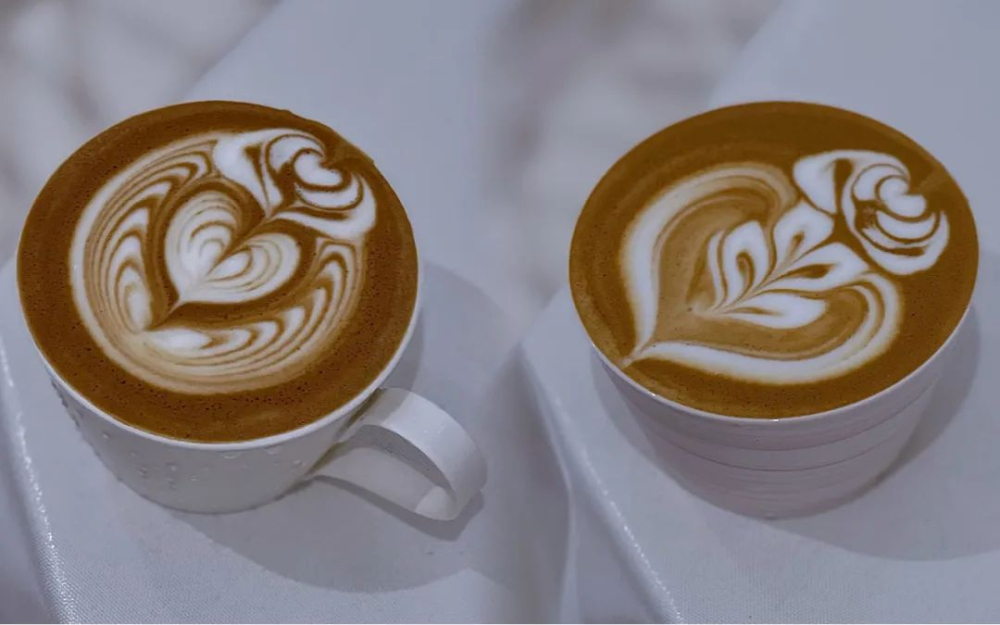
【The Innovation of 3D Latte Art】In recent years, highly skilled baristas have begun challenging the limitations of traditional two-dimensional designs. By controlling the thickness and layering of milk foam, they create coffee artworks with a three-dimensional effect. This technique usually involves stacking thicker foam to form the outline, then using an etching needle dipped in edible dyes like chocolate sauce to add detailed touches, resulting in stunning three-dimensional visuals that take latte art to an entirely new level.
The above content is compiled by CoffeeHunters, a coffee news website.


