








Introduction:Do you know why espresso is called Espresso? Did Americano really originate from the needs of the U.S. military? This article delves into the origins of classic beverage names such as Espresso, Americano, Latte, Cappuccino, Mocha, and Dirty, tracing their stories and evolution from the coffee machine innovations of the early 20th century to the influence of military culture during World War II. Discover the historical context behind your everyday drinks.
Each name of a classic Italian coffee carries a fascinating historical background. For example, why is Espresso translated as “concentrated” or literally as “fast”? Did Americano really come from the creativity of American soldiers? In Italian, does Latte originally just mean milk? And why is Cappuccino associated with the robes of monks? What about Mocha — does it refer to a port, a coffee bean, or a chocolate-flavored drink? This article will take you through the full origins and historical development of these well-known Italian coffee names.

Below, we’ll start with Espresso and gradually explore the origins and evolution of these classic coffee names.
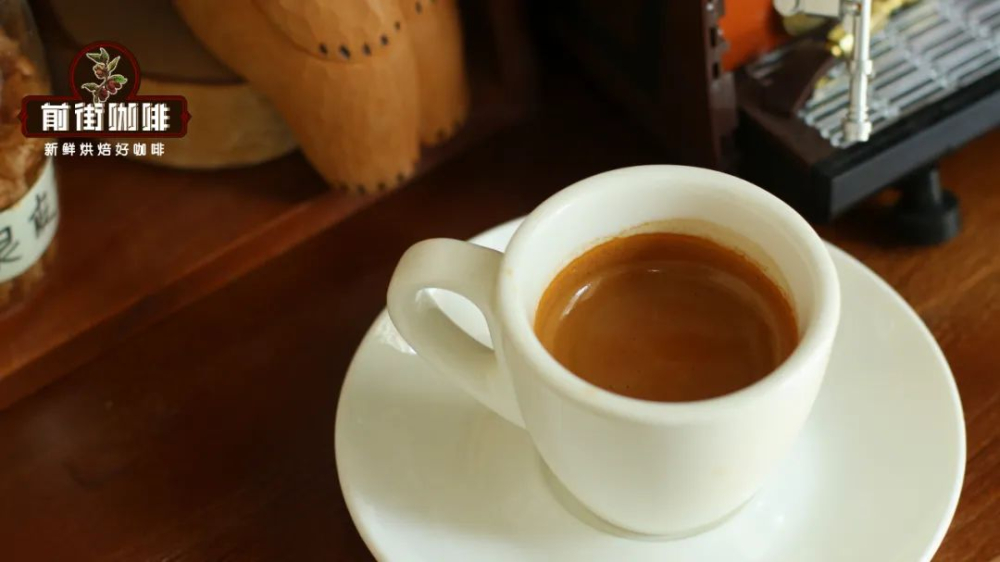
Espresso (Espresso)
As early as the beginning of the 20th century, along with the progress of European industrialization, the first espresso machine was born. The most distinctive feature of this type of machine was its ability to extract a strong shot of coffee in an extremely short time under high pressure. Although the technology at the time was still relatively crude compared to today’s equipment, it represented a significant improvement in efficiency over traditional long-steep brewing methods, earning it the nickname the “cheetah” of the coffee world.
It is precisely because this coffee could be brewed in just a few seconds that this quickly made coffee came to be called “Espresso.” In Italian, Espresso means “fast,” which is truly fitting.
Americano (Americano)
During World War II, many American soldiers were stationed in Italy. They were accustomed to drinking lighter-tasting American drip coffee, and when they first encountered Italian espresso, they often found its intense flavor and bitterness unpleasant.
To adjust the flavor, they would ask the barista to dilute the espresso with hot water. This practice gradually gained popularity, and cafes began offering this watered-down version, naming it “Americano,” or “American coffee,” to cater to the taste preferences of the American soldiers.
Latte (Latte)
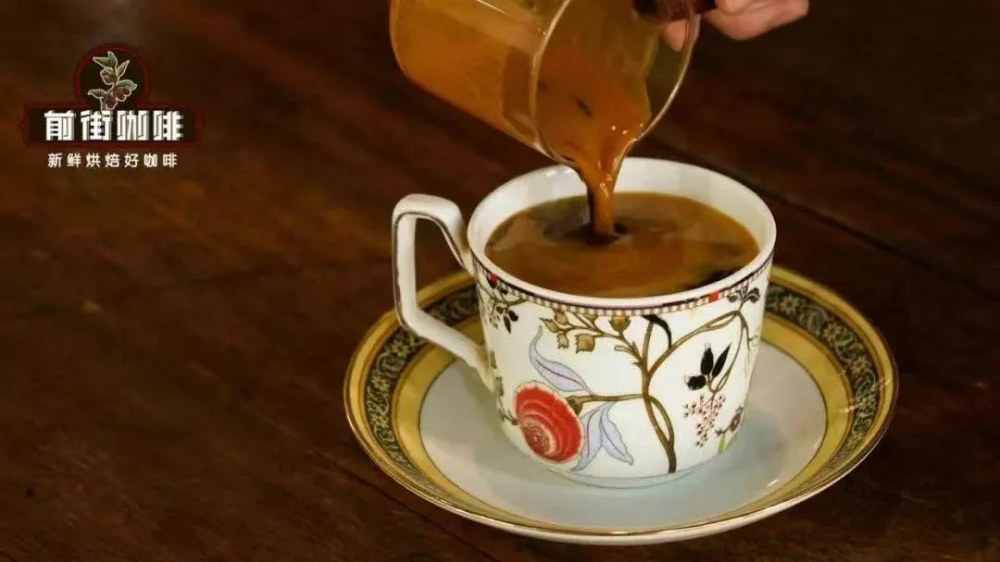
In Italian, the word “Latte” actually means “milk,” not the “latte coffee” we are familiar with. Early Italian-style lattes were not coffee drinks at all, but simply milk.
Later, Italian immigrants who moved to the United States, in order to cater to local tastes, mixed espresso with a large amount of milk to create a coffee drink with a higher proportion of milk. They called it “Coffee Latte,” meaning coffee with milk. However, outside of Italy, people gradually simplified the name to just “Latte” for convenience.
It’s worth noting that in early Italy, if you just ordered a “Latte,” the server might give you just a glass of plain milk, because in Italian culture, “Latte” on its own does not imply coffee.
Cappuccino (Cappuccino)
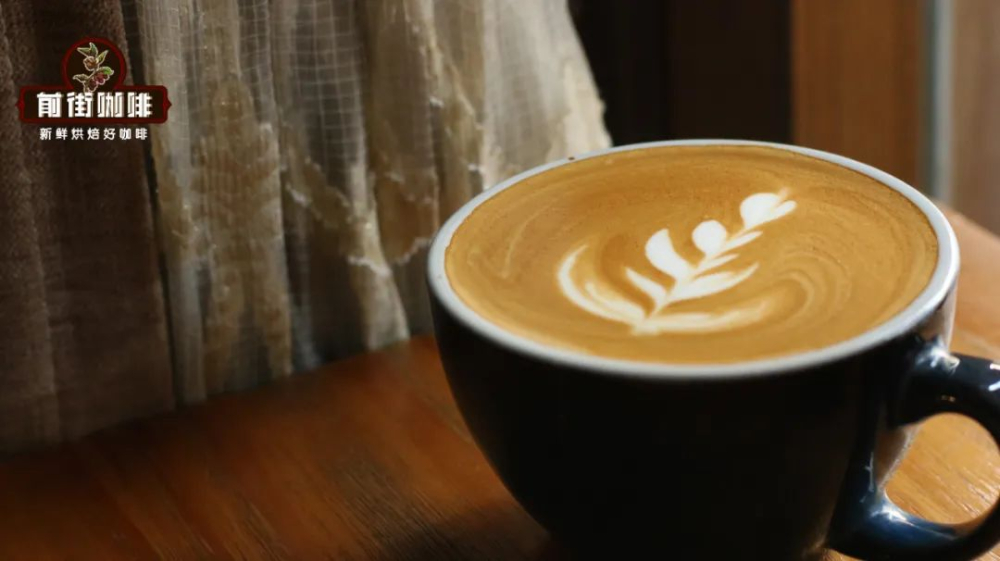
The name Cappuccino actually comes from the Italian word “Cappuccino,” meaning “hood” or “cowl.” This word is also related to the Capuchin monks of the Catholic Franciscan order. These monks wore dark brown robes paired with small pointed hats, and locals likened the color and shape of their attire to the appearance of this coffee.
When hot milk is combined with espresso and topped with a layer of velvety foam, the resulting color resembles the robes and little hats of the Franciscan monks, hence this coffee was named “Cappuccino.”
Fun Fact:Interestingly, Cappuccino actually appeared earlier than Latte and is one of the important representatives of early Italian coffee culture.
Mocha (Mocha Cafe)
The word “Mocha” has three meanings. First, it originally referred to a port city in Yemen — the Port of Mocha. From the 15th century onward, for hundreds of years, coffee beans from many regions were exported through this port, making it a major hub of global coffee trade at the time.
To indicate that the coffee came from the Port of Mocha, sacks were stamped with the word “Mocha.” Over time, Europeans began referring to these coffees collectively as “Mocha coffee,” turning the place name into a synonym for a type of coffee.
These coffee beans had a unique flavor: small in size, with medium acidity and a noticeable sweetness after roasting, along with a hint of rich chocolate flavor. As time passed and the trading prominence of the Port of Mocha declined, coupled with geopolitical factors, Mocha coffee became rare. To recreate that distinctive chocolate flavor, people began adding chocolate syrup to coffee, leading to the creation of the familiar “Mocha” drink we know today.
Dirty (Dirty)
“Dirty” literally means “dirty,” and the name of this drink comes from its visual effect. When espresso is poured directly into cold milk, the dark coffee liquid slowly seeps into the white milk, creating a visual effect akin to a canvas stained by smudges, hence the name “Dirty.”
This direct pouring method highlights the raw flavor of the espresso and the contrast between layers, becoming a favored flavor experience among many coffee enthusiasts.
Macchiato (Macchiato) and Caramel Macchiato (Caramel Macchiato)
“Macchiato” in Italian means “mark” or “stain.” In the early days, due to inconsistent coffee bean quality, the extracted espresso was often very bitter, and consumers would request a small amount of milk to mellow the taste. However, adding just a little milk resulted in an insignificant color change, making it hard to distinguish from other espressos. So, baristas would add a spoonful of foam on top as a “marker,” and this became the original Macchiato.
As coffee quality improved and the bitterness issue was resolved, the Macchiato gradually faded in popularity. It wasn’t until the 1990s when Starbucks introduced the Caramel Macchiato, made with caramel and vanilla syrup, giving this drink a new sweet profile and bringing the name “Macchiato” back to the market in a completely new form.
Flat White (Flat White)
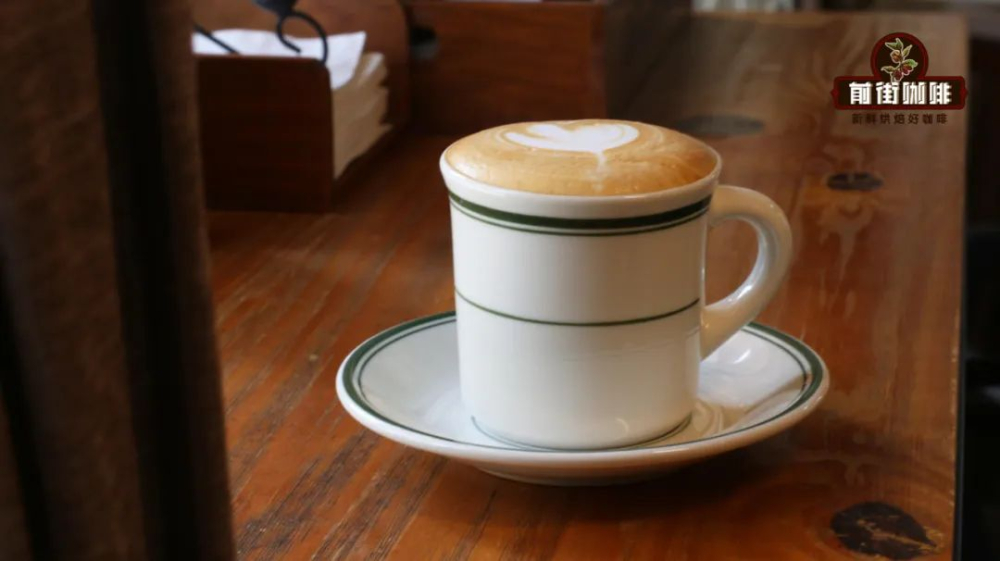
Flat White originated in Australia and New Zealand, where local consumers did not like the thick milk foam of Cappuccinos or Lattes. Therefore, baristas began steaming the milk to create finer and thinner foam, allowing the milk and coffee to blend in a way that resulted in a flat surface, nearly level with the rim of the cup, hence the name “Flat White.” “Flat” means “level,” and “White” refers to milk.
This drink was once relatively niche until 2015, when Starbucks included it in its global menu and promoted it under the name “Blonde Roast Flat White,” gradually making it a popular coffee choice in international markets. In Taiwan and mainland China, this coffee from Oceania is commonly referred to as “Flat White” or “澳白”.

Through the stories behind these names, we can not only gain a deeper understanding of the cultural backgrounds of each coffee but also add a touch of historical flavor to our sipping experience.
The above content is compiled by CoffeeHunters, a coffee news website.


