







Introduction:The intense competition between Luckin and Cotti has once again sparked heated discussion, from store expansion to pricing strategies, as the two major brands engage in a "¥9.9 vs ¥8.8" coffee price war. What seems like a simple promotional battle actually involves multiple factors such as market research, consumer psychology, and industry development. This article will delve into the current state of their competition, the real impact on consumers, and the long-term challenges that may arise from this price war.
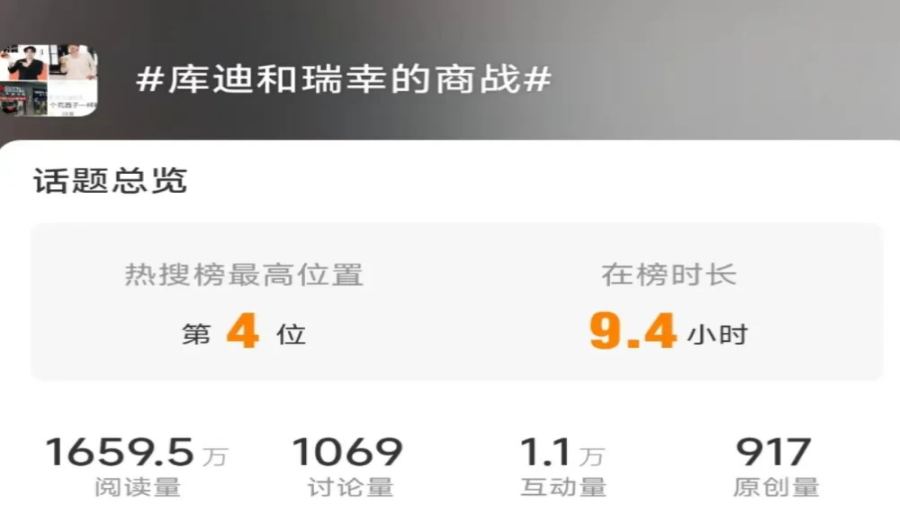
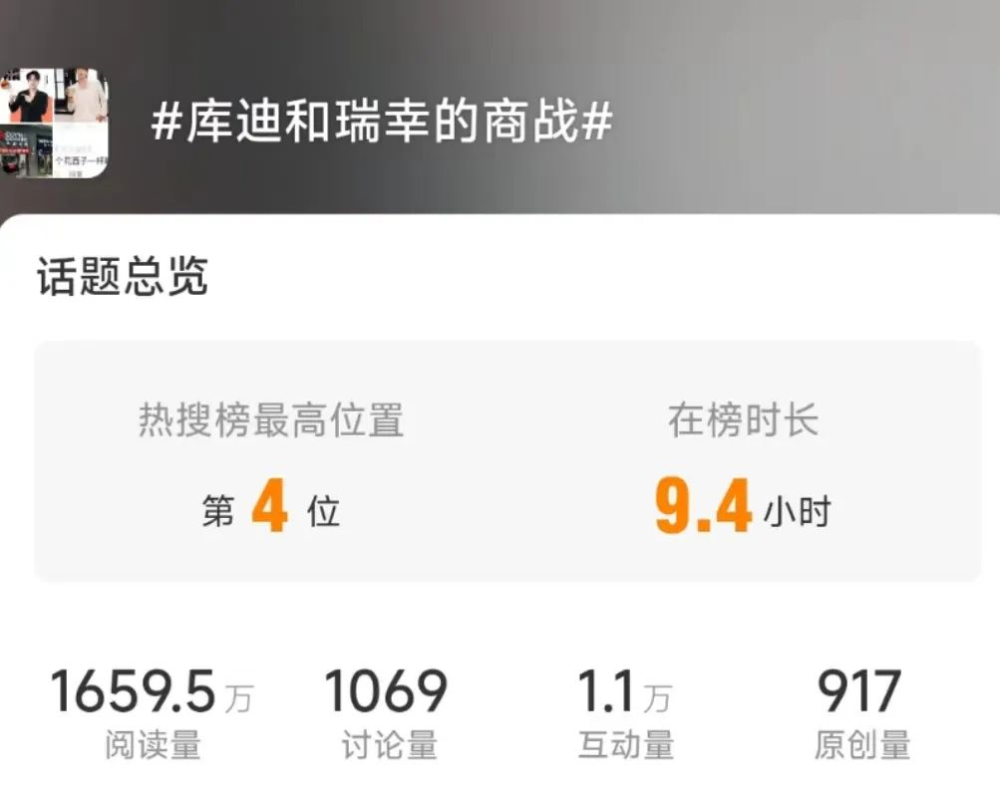
The commercial rivalry between Luckin and Cotti has once again become a hot topic, generating widespread discussion on social media. Related topics once ranked fourth on Weibo’s trending list, remaining there for over nine hours, with total views exceeding 16.59 million and interactions surpassing 11,000. The competition is not limited to the number of stores, but extends to product pricing, new launches, and market strategies at various levels.
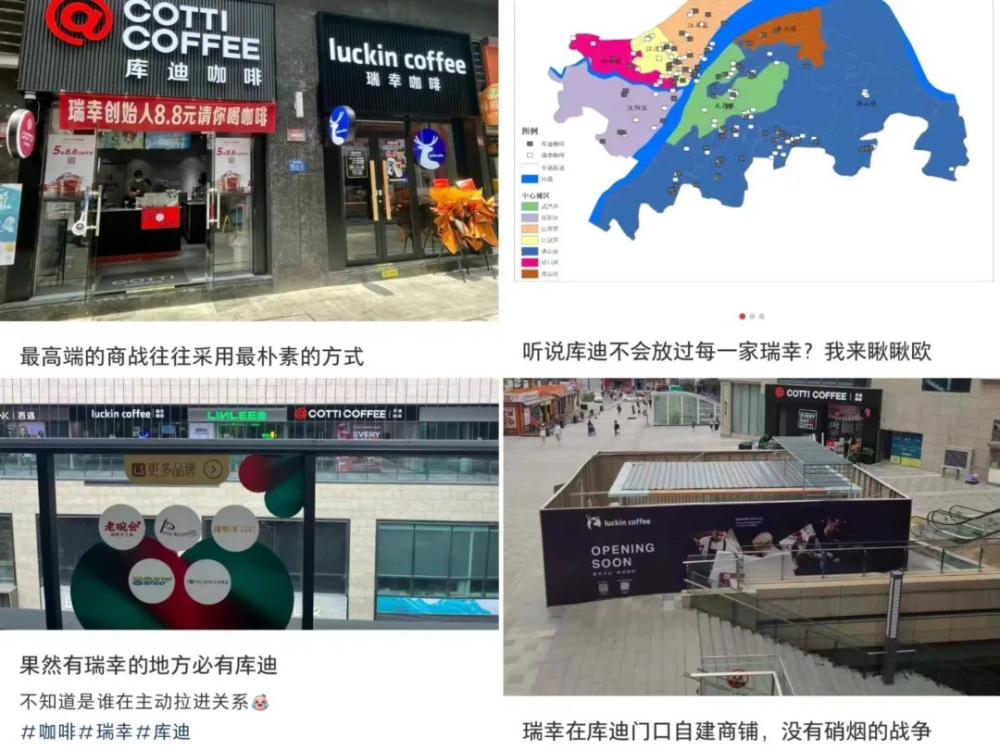
The two brands often adopt a "neighborhood standoff" approach when selecting store locations, with one opening a new outlet only for the other to quickly set up nearby. In terms of pricing, Luckin launched ¥9.9 coupons, to which Cotti quickly responded with ¥8.8, creating a clear price standoff. Such competitive strategies have successfully attracted a large number of cost-conscious consumers, making "¥9.9 coffee" a key market buzzword.
Beyond pricing, the two sides are also directly competing in their new product strategies. From early collaborations like Soy Sauce Latte to recent ones such as Rice Coffee, Luckin and Cotti continue to roll out topical drinks, seeking market advantages through product differentiation. Cotti even hung promotional banners outside its stores reading “Luckin’s Founder Invites You to Drink Coffee for ¥8.8,” further emphasizing its contrast with Luckin.
Although the public often likens their competition to a “business war,” the industry generally believes there is still a significant gap in overall strength between the two. Luckin currently has over 10,000 stores, leading in both market share and brand recognition. Its best-selling products, such as Coconut Latte and Soy Sauce Latte, have helped it maintain its position as the market leader. In contrast, although Cotti attracts consumers with its low-price strategy, it still falls short in product innovation and brand influence, with few standout star products apart from Rice Coffee.
Some industry observers note that Cotti’s market strategy is somewhat like “tracking Luckin.” It is rumored that when selecting locations, Cotti pays special attention to whether there is a Luckin store within a 500-meter radius, prompting netizens to joke that “Cotti is conducting market research on Luckin.” While such a strategy may capture market attention in the short term, in the long run, the brand still needs to establish its own core competitiveness.
For consumers, this price war has brought short-term benefits, with many welcoming the continued issuance of ¥9.9 and ¥8.8 coffee coupons, and even hoping the competition will extend to other brands, further driving down coffee prices. However, many market observers express concern, fearing that once the price war ends, coffee prices will quickly rebound, and consumer willingness to purchase may also decline.
Of particular note, there are already online rumors suggesting that Luckin’s ¥9.9 discount may be discontinued soon. Although the news has not been officially confirmed, it has sparked considerable discussion among consumers. If the price discounts are indeed reduced, the overall market may face a significant consumption adjustment, especially in price-sensitive lower-tier markets where consumers may turn to other beverages or reduce their coffee consumption frequency.
In fact, the pricing strategies of Luckin and Cotti have already influenced other brands. For example, fast-food chains like KFC have followed suit by launching low-priced coffee, contributing to an overall downward trend in market pricing. However, such price competition led by major brands, once it changes, could impact the entire ecosystem structure of the coffee market.
In summary, while the competition between Luckin and Cotti has brought short-term price benefits to consumers, the underlying market risks and industry challenges cannot be ignored. From store strategies and product innovation to the sustainability of the price war, the ultimate impact of this “¥9.9 coffee war” will profoundly shape the future landscape of China’s coffee market.
The above content is compiled by CoffeeHunters, a coffee news website.


