








Introduction:The Matsuya-style pour over is a classic brewing technique originating from Japan in 1962. It achieves true blooming by using a lid, combined with an ultra-high coffee-to-water ratio and a unique process, to create stable and intense coffee flavors. This article delves into its principles, practical steps, and key parameters, using a dark-roasted Sumatra Golden Mandheling as an example to help you master this distinctive method and experience the unique charm of pour over coffee.
Have you ever tried using a lid to “bloom” your coffee grounds during a pour over? It might sound like a joke, but it’s actually the unique feature of the 1962 Japanese “Matsuya-style pour over.” This method utilizes a lid for blooming, extremely high pouring volumes, and an unusually concentrated coffee-to-water ratio, then adjusts the strength with bypass water at the end, resulting in a consistently flavorful and rich extraction. This article will fully introduce the design logic, core parameters, and actual operation process of the Matsuya method, using a dark-roasted Sumatra Golden Mandheling as an example, to take you from theory to practice and deeply explore the mysteries of this classic Japanese pour over technique.
The so-called “false bloom” refers to the way most pour overs rely solely on hot water impact and resting time to allow coffee grounds to degas. Although it’s called blooming, the actual degassing effect is limited—especially between freshly roasted beans and those that have rested for some time—leading to significant differences in degassing and often causing inconsistent extractions.In contrast,the “true bloom”
is what the Matsuya method emphasizes: by using a sealed lid, all coffee grounds are allowed to fully degas under consistent conditions, whether fresh or aged, ensuring a stable starting point for extraction.The origins of the Matsuya-style pour over trace back to an innovation by Japanese coffee enthusiast Mr. Yasukazu Matsushita in 1962. This technique is considered classic not only due to its historical significance but also because of several visually and operationally distinctive features:using a lid for blooming, extremely high pour volumes, and a concentrated coffee liquid that requires additional dilution.
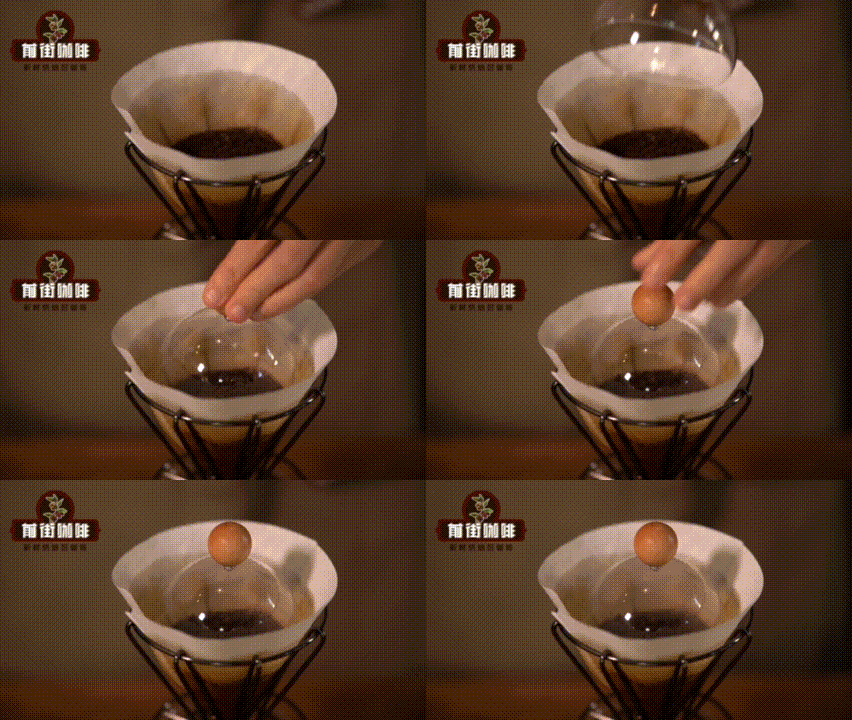
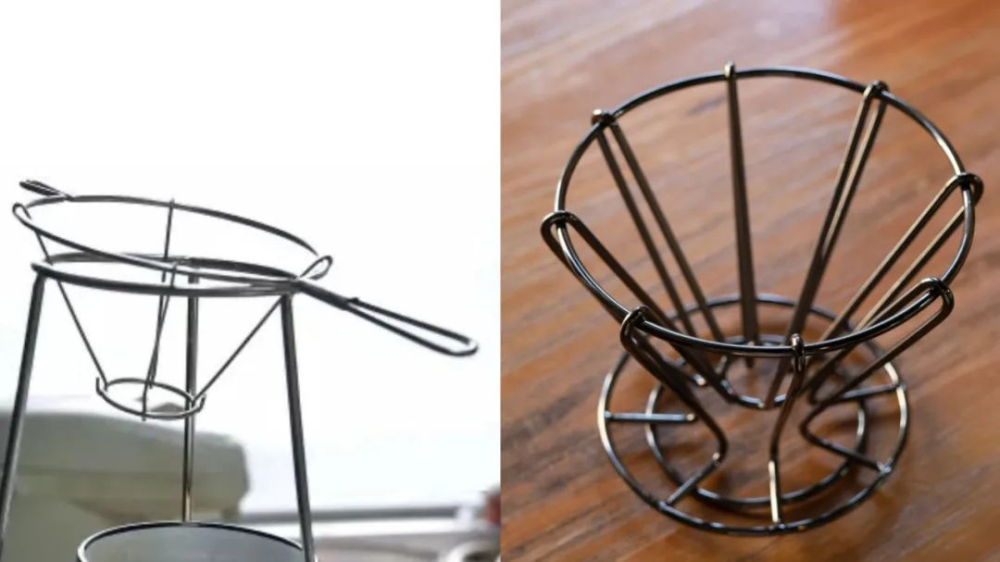
These elements may seem unconventional, but their underlying logic is to pursue consistency in the flavor of every cup of coffee.The Matsuya method uses a metal frame filter cone that lacks the traditional ridge-like flow-guiding structure found in many other brewers; its only function is to support the filter paper. Therefore,it is recommended to use a relatively stiff filter paper
to avoid the collapse of soft paper that could disrupt water flow. This type of filter cone design also allows for more direct contact between hot water and coffee grounds, minimizing interfering factors.So why use a lid for blooming? The key lies in “consistency.” Freshly roasted coffee beans contain a lot of carbon dioxide and degas vigorously, while beans that have rested for several days after roasting show noticeably less degassing. This difference in degassing directly affects how much the coffee grounds expand and how efficiently they extract, which can lead to unstable flavors in each cup. The Matsuya method has a straightforward solution:by fully sealing with a lid, it ensures all coffee grounds thoroughly expel gases during the blooming stage,
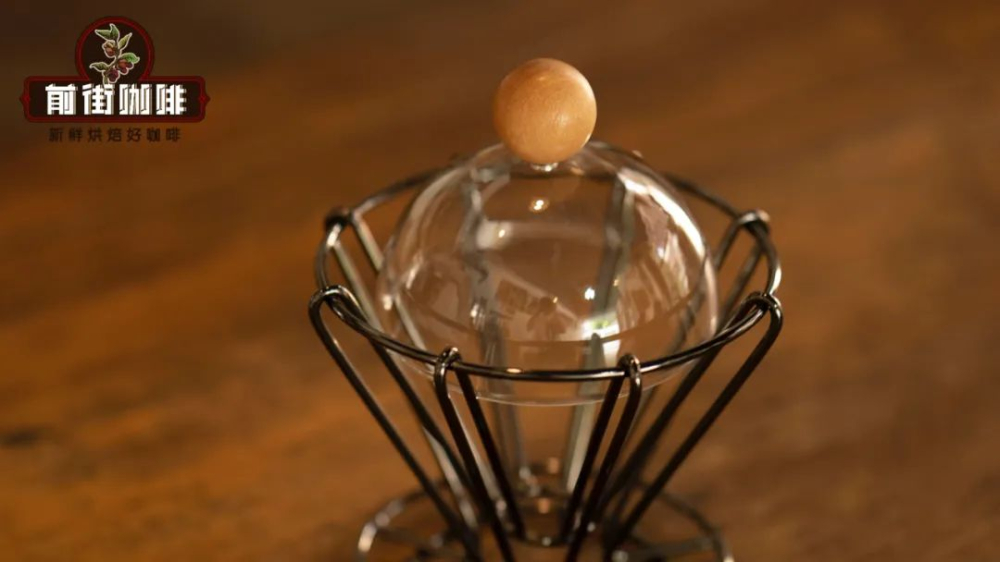
so whether the beans are fresh or aged, they all start extraction from the same baseline, greatly enhancing flavor stability.However, immediately following a full bloom with high-temperature, high-concentration extraction can easily over-extract the coffee, releasing desirable flavor compounds along with unpleasant off-notes. To address this, the Matsuya method opts touse a coarser grind size
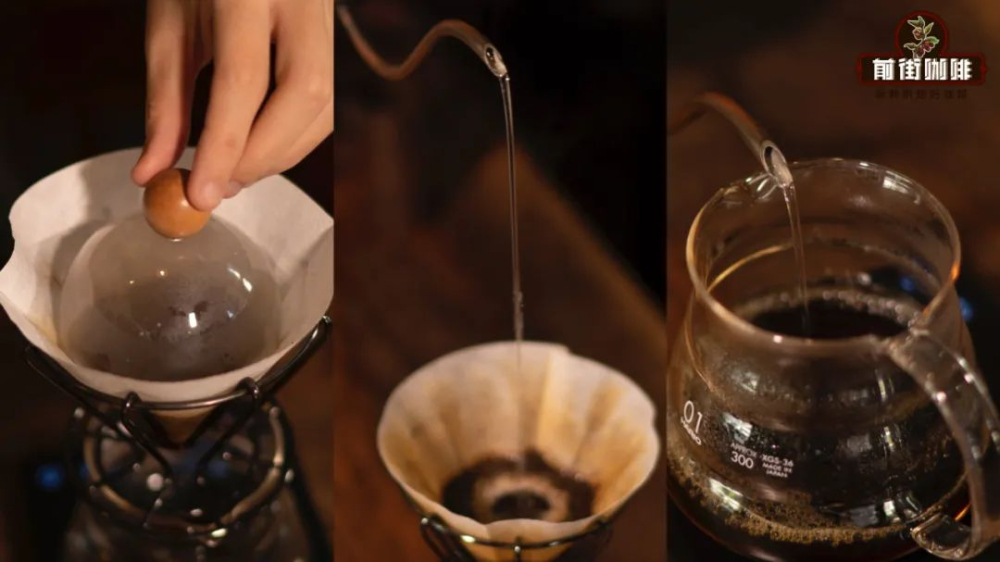
—typically coarser than that used in conventional pour overs (for example, a regular Golden Mandheling might be ground at EK 10, whereas the Matsuya method might adjust to EK 12 or even coarser)—to reduce the risk of over-extraction. Additionally, at the time, precise water temperature measuring tools were not available, so users would pour freshly boiled water into the kettle and let it sit to naturally cool down by about 5°C, reaching a brewing temperature of around 95°C. They would then increase the pouring height to boost the water’s impact force, simultaneously achieving a stirring effect and appropriate cooling.1:5With this setup, the flavor compounds in the coffee can be effectively released, so the Matsuya method further reduces the coffee-to-water ratio to an extremely low level.For example, using 20 grams of coffee grounds, the first stage involves pouring 40 milliliters of hot water for blooming, followed by a second stage of 60 milliliters, totaling 100 milliliters—resulting in a highly concentrated coffee liquid. However, such a concentration is too intense and difficult to drink for most people, so the final step is to add bypass water, usually at a1:10 ratio
—for instance, adding 180 milliliters of hot water to bring the overall concentration to a more palatable level. If a stronger taste is preferred, the amount of bypass water can be reduced, such as adding only 150 milliliters.
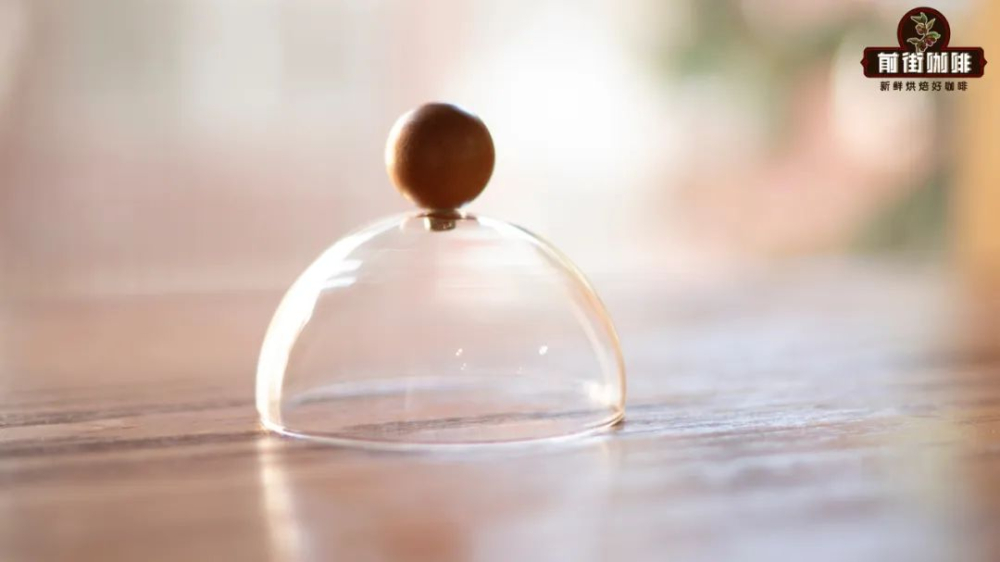
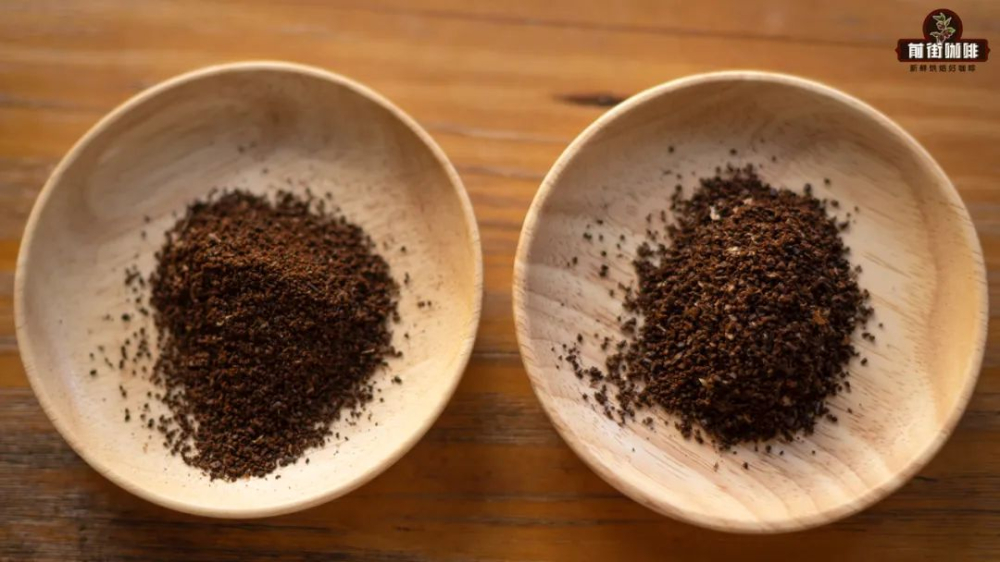
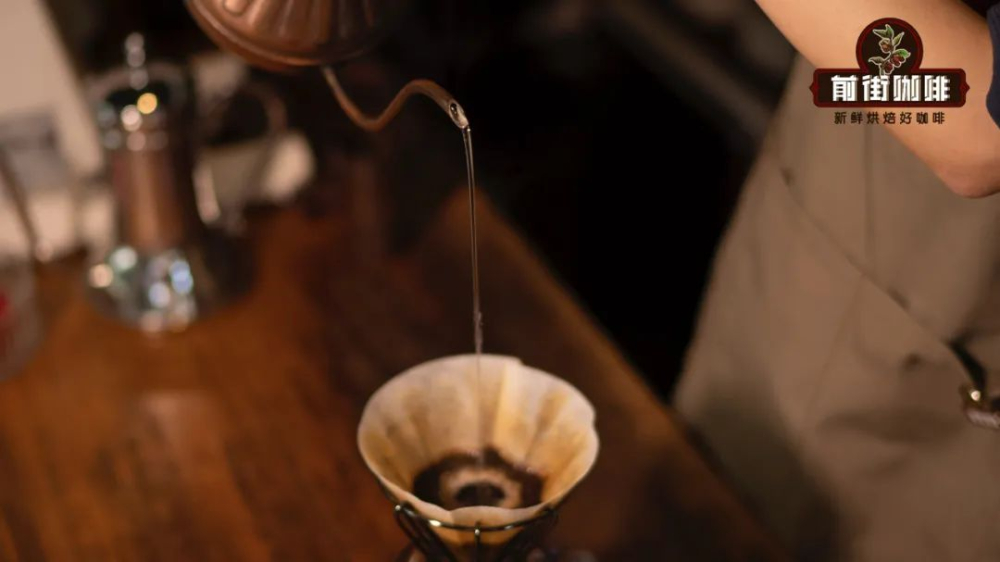
In practical operation, using a dark-roasted Sumatra Golden Mandheling as an example, it is recommended to use a grind size that allows about 50% of the grounds to pass through a #20 sieve (or equivalent to an EK grind setting of 12), using 20 grams of coffee. The total water volume for the first stage is 40 milliliters, with a three-minute bloom; the second stage adds 60 milliliters, totaling 100 milliliters. Prepare at least 300 milliliters of hot water for subsequent bypass dilution. Place the filter paper in the metal filter holder, add the coarsely ground coffee, and pour 40 milliliters of hot water from about 25 centimeters above the filter cone, using a center-outward circular motion for blooming. Then cover with the lid, let it sit for three minutes, remove the lid, and pour the remaining 60 milliliters of hot water from a high position, then wait for the dripping to complete.
After dripping is complete, remove the filter cone and add bypass water according to personal taste. It is suggested to start with 180 milliliters for the first try, or reduce to around 150 milliliters for a stronger flavor. In this way, you can enjoy a Matsuya-style pour over coffee that is balanced, rich, and stable in flavor.
The above content is compiled by CoffeeHunters, a coffee news website.


