







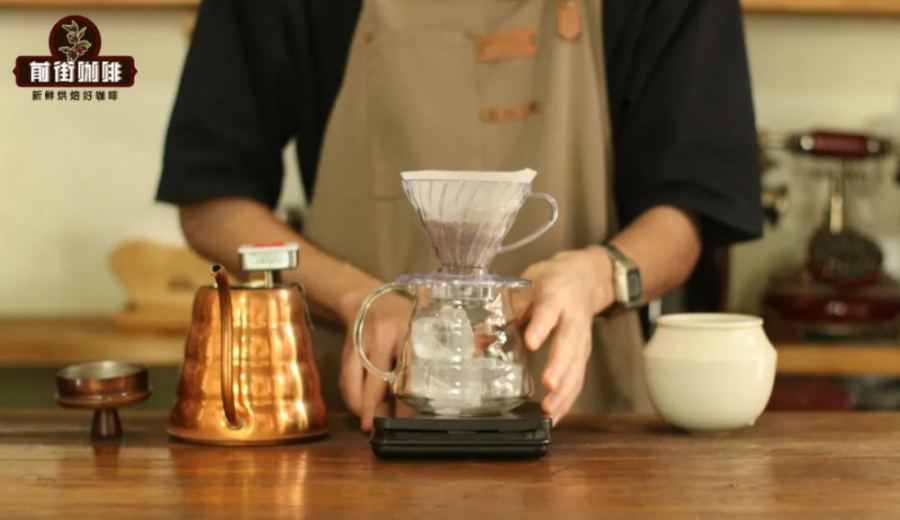
Introduction:Got a pack of unfamiliar coffee beans but not sure where to start with water temperature, grind size, or filter choice? This article provides a clear and practical pour over guide to help you quickly develop an effective extraction plan based on the roast level of your beans, significantly reducing the chance of failure. It also delves into the differences between light and dark roasts in terms of flavor, water temperature, grind size, and filter selection, while extending the discussion to include the influence of processing methods and coffee varieties—helping you take your first confident step into specialty coffee.
When you buy a pack of coffee beans you've never tried before, have you ever faced this dilemma: what water temperature should I use? How fine should I grind? Especially with premium single-origin beans that aren't cheap, one mistake could mean wasting great coffee. In fact, you don’t have to rely on trial and error every time. Mastering a simplified pour over framework lets you quickly find the right extraction direction for new beans.
Many beginner coffee enthusiasts tend to test various combinations of water temperature, grind size, and brew ratios in a trial-and-error manner. While this can work, it’s a complicated and hard-to-control process. We recommend starting with “establishing a general framework, then fine-tuning the details.” This not only reduces the risk of failure but also helps you get into the groove faster.
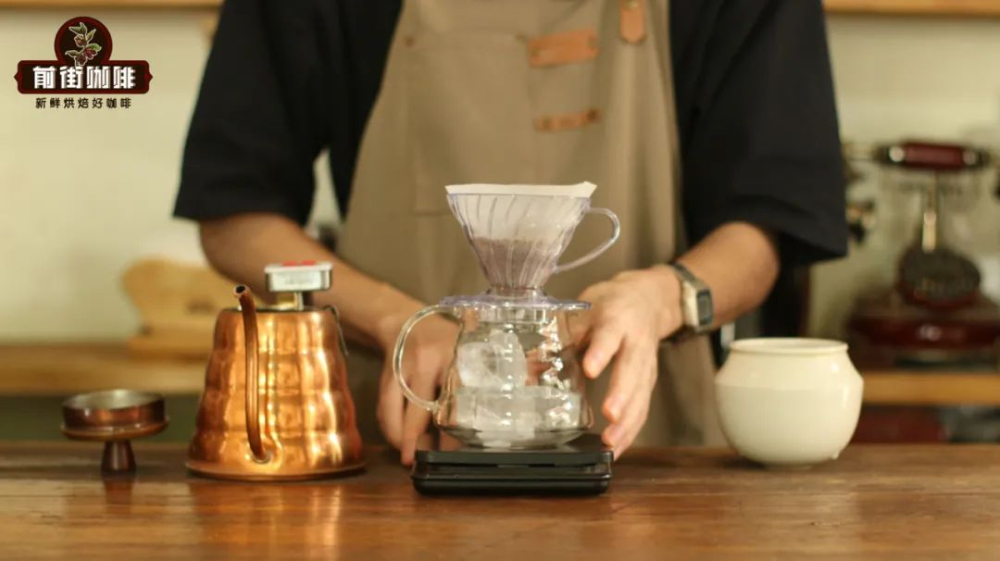
Using roast level as the classification criterion is the simplest and most practical starting point. Most coffee beans can be broadly divided into two main categories based on roast degree: light roast and dark roast. The two differ significantly in bean density, flavor expression, and suitable extraction parameters. Grasping the basic characteristics of these two categories allows you to set up an initial and effective brewing strategy for the vast majority of commercially available coffee beans.
In one coffee shop's actual operations, even when dealing with over thirty different origin beans and flavor profiles, just two primary brewing setups were used: one for light roasts and another for dark roasts. These two setups not only greatly simplified the brewing process, but also consistently highlighted the unique flavors of each type of bean.
In these two setups, the coffee dose, total water volume, and basic brewing technique remain consistent, which helps build a stable brewing rhythm and feel. The only variables that need adjustment for different beans are water temperature, grind coarseness, and filter choice. By fine-tuning these three core elements, you can flexibly adapt to the characteristics of most coffee beans.
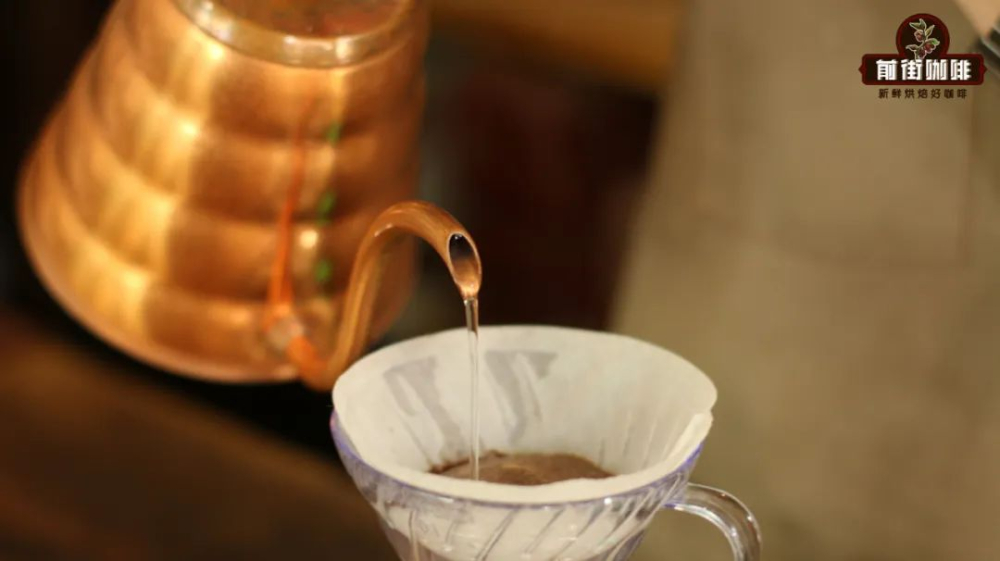
Light roast coffee beans, due to their shorter roasting time, have a relatively compact bean structure and higher density, making internal substances harder to extract. Therefore, it’s recommended to use a higher water temperature, typically between 92°C and 96°C, along with a finer grind to facilitate full extraction. However, since fine grinds and high temperatures can easily lead to over-extraction—especially if the brew time is extended—it’s advisable to use a filter with a faster drawdown rate, such as a V60, to help control the extraction pace and avoid overly sharp acidity or unpleasant bitterness from excessive extraction.
In contrast, dark roast coffee beans, due to their higher roast level, are more fragile and loose, allowing substances to be released more easily. As such, they suit a slightly lower water temperature, around 88°C to 92°C, and a coarser grind to avoid over-extraction that can result in heavy tannins and pronounced burnt bitterness. Moreover, if a dark roast bean is brewed using a fast-flowing filter (like a V60), the extraction might finish too quickly, leading to under-extraction, flat flavors, and lack of complexity. In such cases, it’s better to use a slower-drawing filter like a Kono, whose bottom flow-guiding rib design slows down the water flow, enabling fuller extraction and imparting a richer, more rounded mouthfeel.
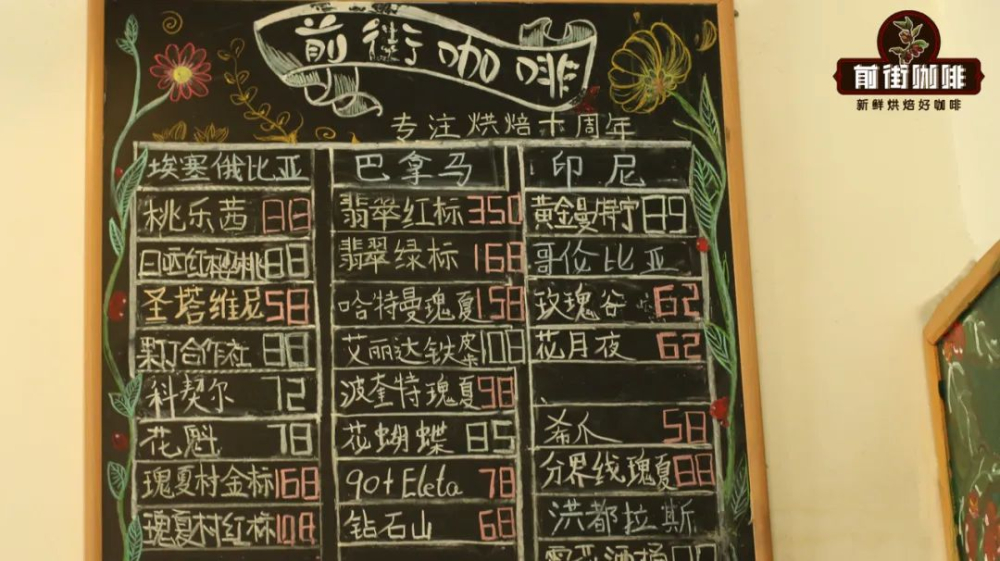
After establishing a preliminary brewing plan, the next step is learning to identify the roast characteristics of a new bean. You can start with the flavor descriptions on the packaging—if it lists floral, citrus, berry, or other bright notes, it’s usually a light roast; if you see chocolate, nuts, caramel, or rich sweetness, it’s likely a dark roast. If there’s no description on the bag, you can also observe the color of the beans: light roasts often appear light brown to medium brown, while dark roasts are commonly dark brown or even nearly black.
As your experience grows, you can further refine your brewing strategy based on processing method and coffee variety. For example, coffee beans processed with anaerobic fermentation have their cell walls disrupted, releasing flavors more quickly, so it’s recommended to use a slightly finer grind to balance extraction. For high-end and delicate varieties like Geisha, which are highly expressive of subtle flavors, special attention should be paid to their extraction tolerance. When necessary, you might categorize them separately and adjust their water temperature and grind to fully highlight their unique fruity and floral notes.
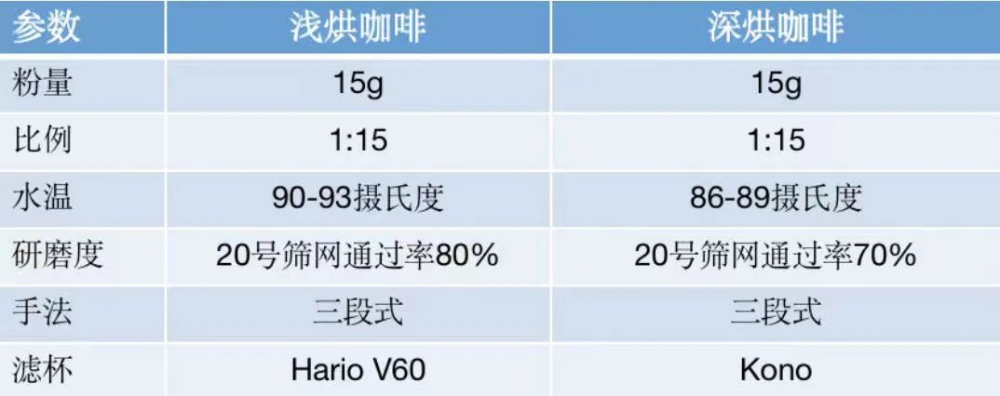
In summary, when facing a new coffee bean, start by categorizing it by roast level, then apply the corresponding brewing setup. Use water temperature, grind size, and filter choice as your three key adjustment variables to quickly establish a stable brewing baseline. This approach not only minimizes the chance of failure but also lays a solid foundation for subsequent fine-tuning. Remember, the initial goal is to improve your margin for error; once you’re familiar with the bean’s character, you can gradually adjust based on actual brew results to pursue more precise flavor expression.
The above content is compiled by CoffeeHunters, a coffee news website.


