







Introduction:How should freshly bought coffee beans be stored to preserve their optimal flavor? From the principle of one-way degassing valves and the importance of light-proof sealing, to common misconceptions about storing ground coffee, this guide details the key storage points for coffee beans at different stages. Learn the difference between best-by and shelf life, master the correct storage methods, and ensure every pour over cup retains its fresh aroma.
Many coffee enthusiasts, after their first visit to a café and tasting the rich flavor of freshly brewed coffee, often can't resist bringing home a pack of beans to brew themselves. However, once the beans are brought home, how should they be properly stored to maintain their best flavor? How long can they be kept? What’s the difference between shelf life and best-by period? These questions often puzzle beginners. This article will delve into the storage methods of coffee beans, from original packaging to specialized bean containers, explaining in detail the function of one-way degassing valves, the importance of sealing and light protection, and why ground coffee should not be stored for long. It also introduces the concept of best-by period to help you brew coffee at home that closely resembles the flavor from a specialty roastery.
Many people, after experiencing pour over at a café, develop the idea of buying coffee beans to brew at home. However, the way beans are stored after purchase directly affects their flavor performance. For typical home pour over usage, about 15 grams of coffee beans are used per brew. A 100-gram pack can yield around 6 brews, while a 454-gram pack can offer approximately 30. But if you buy too much at once, how should you store it to prevent flavor loss? The key lies in understanding the "best-by period." Generally, within 30 to 45 days after roasting, coffee beans are at their peak flavor, and it is recommended to consume them within this period. Although under proper conditions, the physical shelf life of coffee beans can extend up to a year, the delicate flavor compounds inside cannot be maintained for that long. Therefore, we should not only pay attention to shelf life but also respect the limitations of the best-by period.
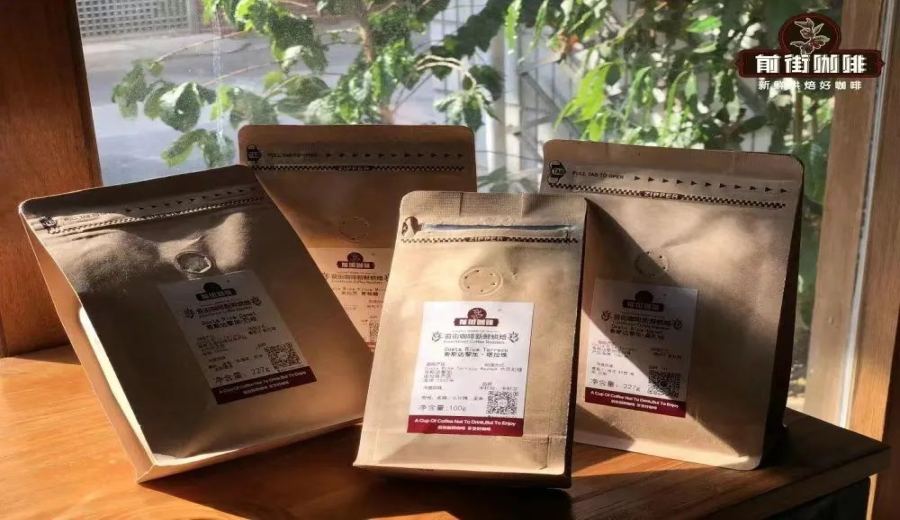
If you purchase a small amount of coffee beans and consume them quickly, the simplest storage method is to keep the original packaging. Currently, coffee beans sold online or in physical stores mainly come in two types of packaging: bagged and canned, and most packages are equipped with a "one-way degassing valve." This seemingly simple device actually functions like a one-way street for vehicles, allowing gases to exit in only one direction while preventing external oxygen from entering. However, it’s important to note that you should never squeeze the package forcefully to smell the aroma, as this accelerates aroma loss and gradually weakens the coffee’s flavor. When coffee beans are freshly roasted, they contain a large amount of carbon dioxide, which continues to release over the next few days. Without a one-way degassing valve, these gases would have no way to escape, potentially causing the packaging to bloat or even burst.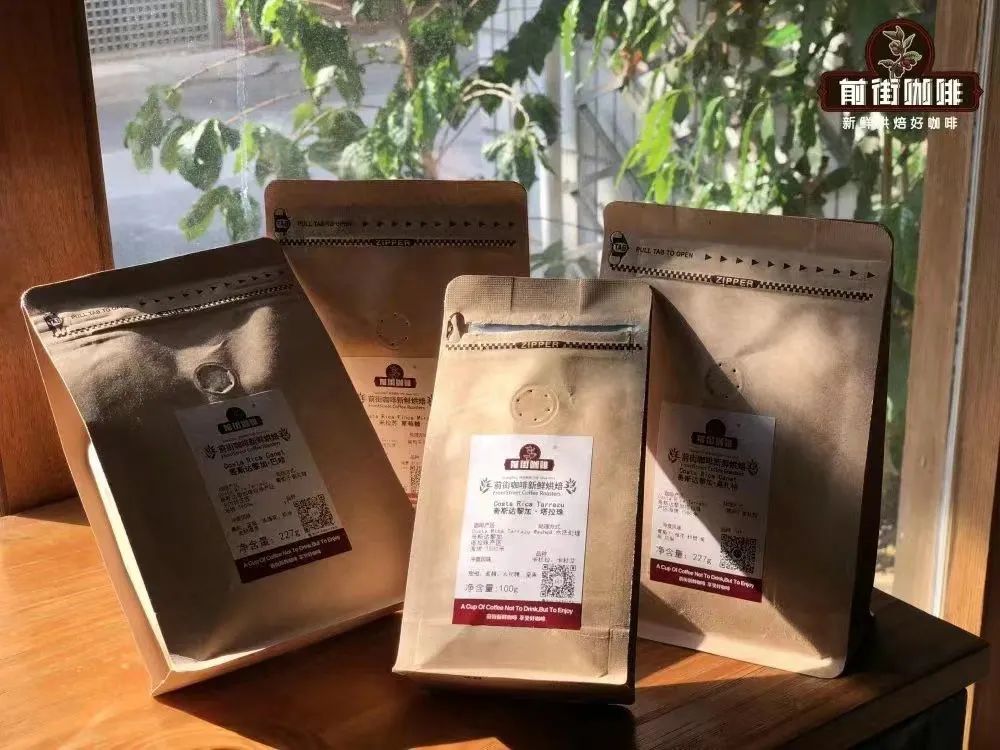 Therefore, keeping the original packaging is the most direct and effective short-term storage method, especially suitable for coffee lovers who buy in small quantities and can consume them quickly.
If you frequently brew coffee at home and purchase larger quantities, it is recommended to invest in a dedicated coffee bean canister. When choosing a bean canister, pay attention to three key criteria: first, excellent sealability to prevent moisture and oxygen in the air from penetrating; second, the presence of a one-way degassing valve to avoid the buildup of internal carbon dioxide that could cause the package to rupture, while also blocking oxygen contact; and third, the ability to create an environment close to vacuum to further delay flavor loss. During the roasting process, green coffee beans expand internally and release carbon dioxide, which is rich in volatile flavor compounds. If the storage container is not well sealed, these precious flavors will gradually dissipate over time, and the beans can also become damp due to moisture exposure. The one-way degassing valve not only releases excess carbon dioxide to prevent packaging expansion but also effectively blocks oxygen, reducing oxidation reactions. Although the carbon dioxide produced during roasting can initially form a protective layer, this protection gradually weakens over time.
There are many types of coffee bean canisters on the market. Some models can achieve an environment close to vacuum through simple operations (such as placing oxygen absorbers or using vacuum pumps), significantly reducing the chance of oxygen contact. In addition, canister materials vary between transparent and opaque, mainly to avoid light accelerating the oxidation process of the beans. If you can place the canister in a shaded area, a transparent canister is also a viable option. For example, some reusable vacuum bean canisters not only offer excellent sealability but are also durable for long-term use, making them a highly practical investment for frequent coffee buyers.
As for whether coffee beans should be ground and then stored? The answer is no. Ground coffee particles have a vastly increased surface area exposed to air, leading to rapid loss of carbon dioxide and quick dissipation of volatile flavor compounds. Such ground coffee often tastes bland when brewed, unable to deliver the rich complexity of freshly ground beans. Therefore, it is recommended to buy only small amounts of ground coffee and store it in a cool, dry place, consuming it as soon as possible. A special reminder: do not store coffee powder in the refrigerator, as taking it out to room temperature may cause condensation, which negatively affects the coffee's quality and taste.
In summary, if you buy coffee beans in small quantities and can use them up within a month, keeping the original packaging is the easiest storage method. But if you purchase in larger amounts or wish to extend the flavor preservation period of the beans, it is advisable to get a dedicated bean canister with good sealability, a one-way degassing valve, and a near-vacuum effect. Also remember, the best-by period for coffee beans is 30 to 45 days after roasting—seize this golden window to enjoy pour over coffee at home that closely matches the quality of a café.
The above content is compiled by CoffeeHunters, a coffee news website.


