








Introduction:Want to start your own business in the coffee market but can't decide between going solo or joining a franchise brand? This article provides an in-depth analysis of the capital investment, operational barriers, and potential risks of both business models to help you make a smart choice based on your own circumstances. From initial planning to ongoing management, mastering the key details will increase your chances of success.
In recent years, coffee consumption has continued to rise, attracting many entrepreneurs to enter the market. However, the decision between “starting your own shop” or “joining a franchise brand” is often the first step that determines success or failure. Both models have their pros and cons, with initial investments ranging from 150,000 to 600,000 yuan, and significant differences in subsequent operational complexity.
If you choose to start your own business, the initial investment is around 150,000 to 300,000 yuan. Although this approach offers greater flexibility and autonomy, you’ll need to handle every aspect yourself. From market positioning, store location selection, interior design style, equipment procurement, to legal procedures such as business licenses, food permits, and fire safety reviews—all steps must be carried out one by one. For example, if you plan to open a community-based coffee shop, you must first evaluate your budget range, then carefully select a suitable storefront based on foot traffic, surrounding competition, and local residents’ consumption habits. You’ll also need to negotiate rent, lease terms, and other specifics with the landlord.
Once the store is confirmed, the next step is the permit application process, including the business license, food operation permit, fire safety filing, and employee health certificates—all of which are essential for legal operation. After completing all administrative procedures, you can proceed with store renovation and equipment setup. For instance, choosing a suitable coffee machine (the brand and model can be adjusted according to your needs), ice maker, refrigeration equipment, and water purification system—all should be carefully selected based on your actual operational model.
In addition, a stable supply chain must not be overlooked. This includes sourcing high-quality partners for coffee beans, milk, baked goods, consumables, and packaging materials. On the human resources side, recruiting and training staff is another critical component. You’ll also need to plan your online promotion strategy—such as increasing visibility through platforms like Dianping, Meituan, Ele.me, and Xiaohongshu—even launching group-buying promotions to continuously attract customers. After opening, it’s essential to continually monitor operational data, adjust product offerings, and maintain equipment.
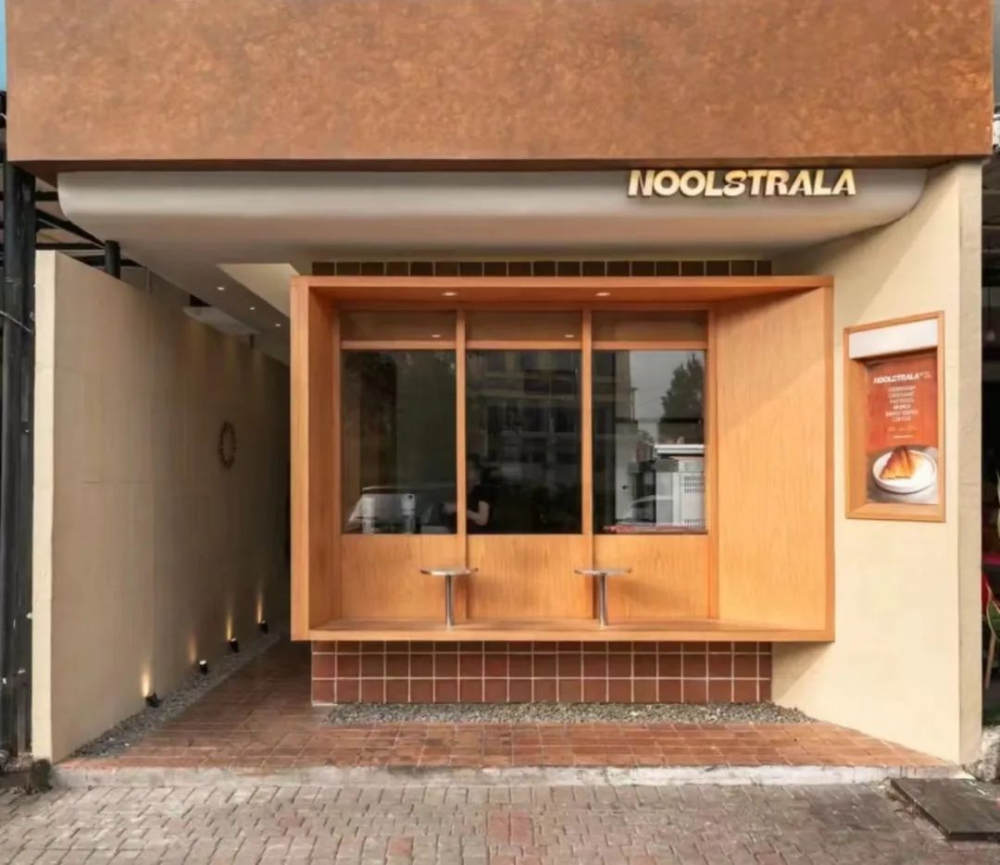
In comparison, joining a franchise brand typically requires an investment of 300,000 to 600,000 yuan. While the financial threshold is higher, the franchisor usually provides a more comprehensive operational system—from store design, equipment procurement, raw material supply, to staff training and marketing strategies—all of which can be supported by the headquarters. After selecting a location, the brand often assists with most of the tedious tasks, allowing the entrepreneur to focus on daily operations.
However, the franchise model is not without risks. The market is full of brands of varying quality. Some offer limited operational guidance to franchisees, and others may primarily profit from high franchise fees, equipment costs, and renovation fees, providing little substantive operational support. Moreover, if the franchisee lacks knowledge about coffee preparation and store management, even backing a well-known brand might not prevent service quality issues that could harm the overall reputation and lead to operational difficulties.
Therefore, when choosing a franchise brand, it’s recommended to thoroughly evaluate its market reputation, the headquarters' support capabilities, the performance of existing franchises, and whether it provides ongoing training and marketing assistance—avoiding the wrong partner and affecting your return on investment.
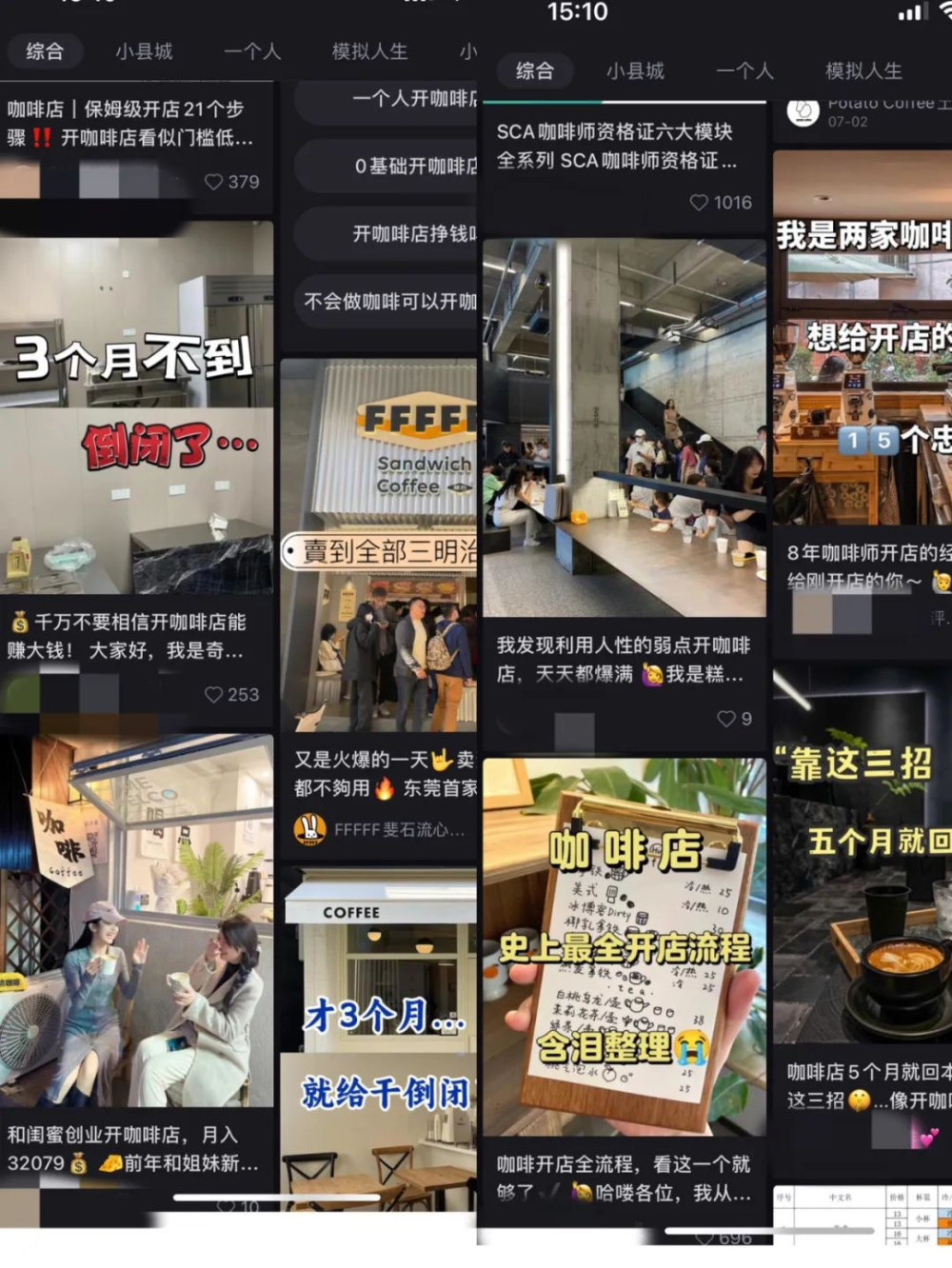
In summary, starting your own business offers flexibility and lower costs but requires comprehensive management skills and strong resilience. Joining a franchise reduces the initial learning curve and provides a more mature operational framework, but demands higher capital and careful assessment of the brand’s actual management capability. No matter which path you choose, a deep understanding of your own conditions and the market environment is essential to establishing a solid foothold in the competitive coffee market.
The above content is compiled by CoffeeHunters, a coffee news website.


