







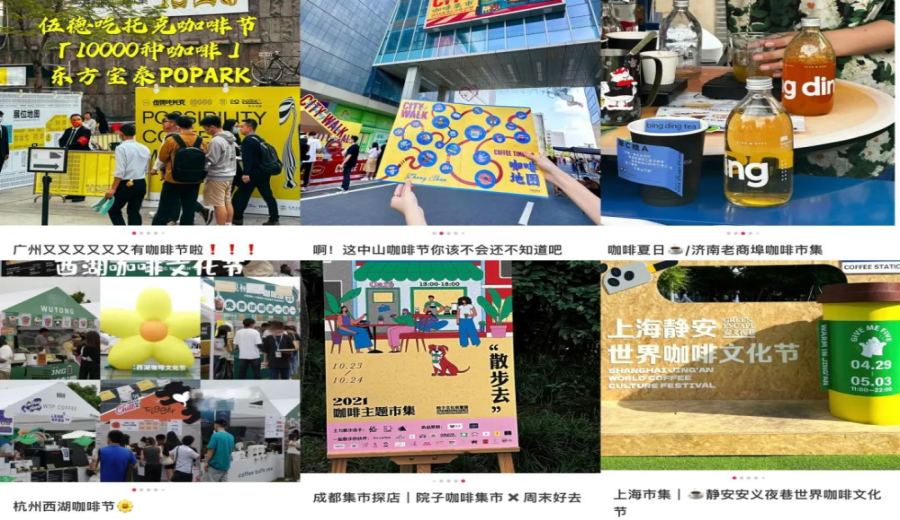
Introduction:In recent years, coffee markets have flourished across various regions. While small specialty drinks with an average price of around 40 yuan attract crowds, they have also sparked considerable discussion. Long queues, noisy environments, and even ticketed entry for some events have led many consumers to question their cost-effectiveness. What exactly makes these specialty drinks so special? Is the coffee culture at these markets gradually becoming "bubble tea-ified"? This article takes an in-depth look at the current state of coffee markets and analyzes the perspectives of both consumers and industry players.
In recent years, coffee festivals and market events held in various locations have drawn enthusiasts from both seasoned coffee lovers and those keen on taking photos for social media. However, behind the lively atmosphere of these bustling markets lie numerous consumer concerns regarding pricing and overall experience.
Some netizens have voiced on social platforms that a specialty coffee drink averaging around 40 yuan not only comes in a small cup size but also requires enduring long queues, with some events even requiring paid admission. The overall cost-effectiveness is far from ideal. Compared to large chain brands that offer comfortable seating and consistent quality—such as % Arabica, Starbucks, or Lavazza—the appeal of coffee markets seems significantly diminished.
Many consumers feel that today’s coffee markets are gradually becoming "bubble tea-ified" or even "bar-ified," where so-called specialty drinks often involve adding various flavored syrups or ingredients rather than truly focusing on the essence of coffee. They question: “Can such mixed drinks really be called specialty drinks?” Some even bluntly state that brewing coffee at home costs no more than 10 yuan, whereas a 40-yuan drink at the market, aside from packaging and venue, may not deliver a core quality that justifies the price.
According to user feedback, many market stalls do not focus on foundational coffee culture—such as introducing green beans, discussing flavor differences in roasted beans, showcasing pour over techniques, or presenting classic lattes or Americanos. Instead, they mainly push high-priced specialty drinks. Stalls that genuinely discuss coffee bean selection, roast levels, extraction parameters, and flavor profiles are few and far between, making it hard to sense the depth that coffee should offer.
Additionally, some consumers report that even if they make impulse purchases due to the lively atmosphere or buy drinks just for social media photos, upon reflection at home, the actual experience of these expensive specialty drinks often falls short of expectations. On social platforms, discussions about coffee markets “ripping off customers” are endless, with many questioning: “Will there always be consumers willing to pay up for these events?”
Nevertheless, some brands put genuine effort into crafting their specialty drinks, using high-quality base beans and natural flavoring ingredients, emphasizing flavor layers and taste balance. Though pricier, these products do demonstrate a certain level of quality in terms of detail and flavor presentation. But overall, the public’s impression of coffee markets still struggles to shake off negative labels like “expensive sweet drinks” and “overcrowded spaces.”
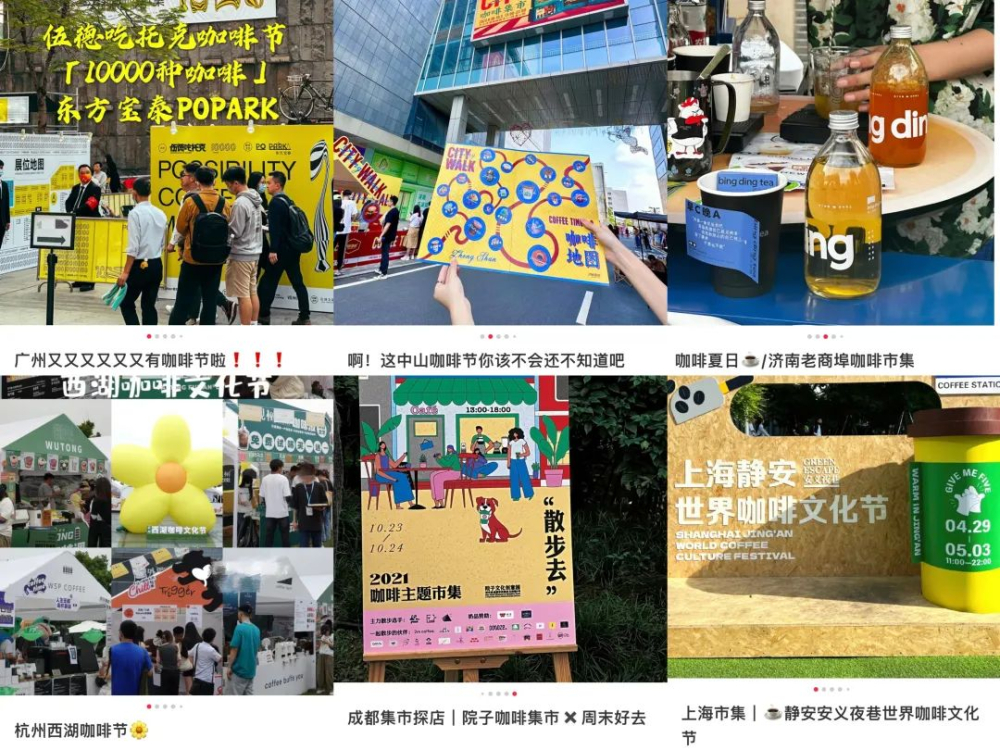
Industry players, on the other hand, believe that coffee markets are not just sales platforms but also spaces for promoting coffee culture and exchanging knowledge on roasting and brewing. However, in practice, how to strike a balance between commercial interests and consumer experience remains an ongoing challenge for the entire industry. For those who truly love coffee, they hope to see a diversity of coffee styles and professional knowledge sharing at these markets, rather than just waves of trends driven by photo opportunities and business opportunities.
In summary, whether a 40-yuan specialty coffee drink is worth it depends on the individual consumer’s expectations and needs. But for industry players, the key to shaping the future direction of coffee markets lies in offering innovative drinks while also taking into account the essence of coffee, cultural depth, and the overall consumer experience.
The above content is compiled by CoffeeHunters, a coffee news website.


