







Introduction:Recently, the well-known Canadian chain brand Tim Hortons has become the focus of public attention after consumers reported that the portion sizes of their breakfast farmer’s wraps and coffee beverages appeared to have been reduced. Many customers noted that the food looked smaller, yet the prices remained the same or even increased, sparking discussions about “shrinkflation.” The official response stated that there had been no changes to the recipes, only an update to the packaging style. This article will guide you through the details of the controversy, consumer observations, and the facts behind the official statements, helping you better understand the actual situation of this national coffee chain.
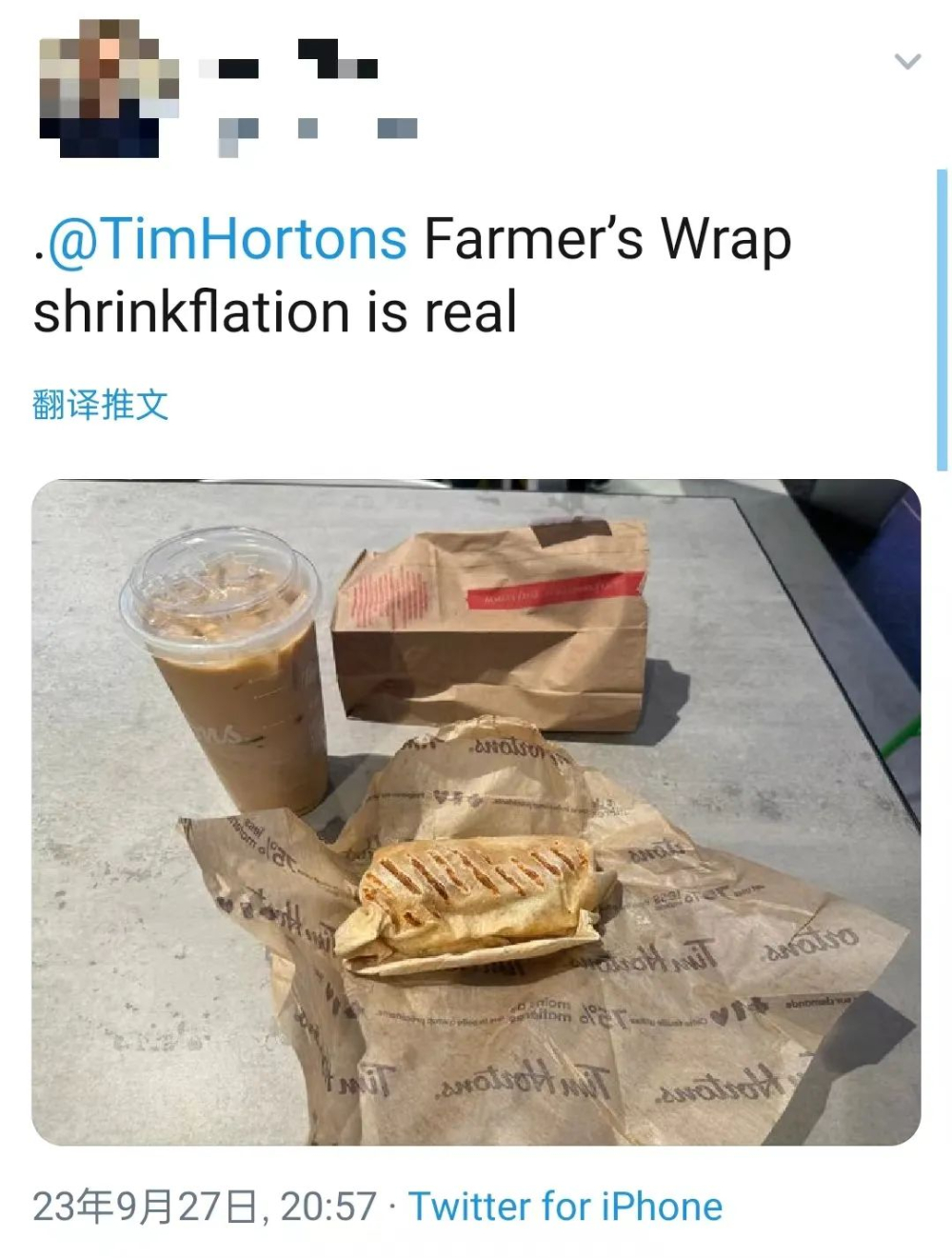
As one of Canada’s most iconic coffee and breakfast chains, Tim Hortons has long been the first stop for many locals in the morning. However, recently on social media platforms, more and more customers have complained that their familiar Farmer’s Wraps seem to have become “much smaller,” with some even claiming that the portions have nearly been halved, while the prices remain unchanged or have even gone up, leading to widespread discussion.
Not only that, but the brand’s large-sized coffee has also been questioned for possible changes in volume. Some consumers posted photos on Twitter, stating that the “large” coffee they received looked smaller than before, raising suspicions that it too might have been reduced. This phenomenon is referred to in the industry as “shrinkflation,” where the actual portion or volume of a product is reduced while the price remains the same or increases, becoming a common point of contention in the retail and food service industries in recent years.

Among these, accusations of shrinkage in the Farmer’s Wrap have been particularly concentrated. Netizens have publicly shared photos of their purchased meals, intuitively judging that the wraps have noticeably shrunk, questioning whether the filling proportions or wrapping methods have been adjusted. Some consumers have further stated that in the past, one Farmer’s Wrap could keep them full through the morning, but now they feel hungry before noon, prompting people to wonder what exactly has changed.
Faced with an overwhelming wave of doubts, Tim Hortons officials quickly stepped forward to clarify, emphasizing that “no adjustments have been made to the recipes, sizes, or contents of any food items.” Brand representatives pointed out that the differences customers observed were mainly due to the updated packaging style and wrapping method introduced at the beginning of the year. The new approach not only altered the appearance but also resulted in a visually tighter overall presentation, leading consumers to perceive a “shrinkage” effect.
The representative further added that the shift in the new packaging strategy also had an important sustainability goal—reducing packaging material usage. According to the brand, the newly adopted packaging paper has replaced the traditional box design, resulting in an overall reduction of 75% in cardboard material, marking a positive step toward environmental friendliness.
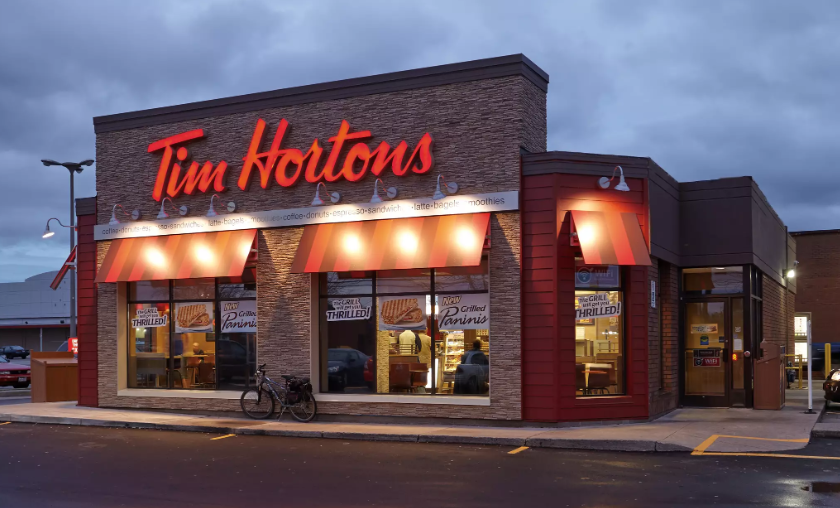
However, despite the official explanations, many consumers still find it hard to be convinced. Some media outlets have requested Tim Hortons to provide the 2022 nutritional information and product guides, hoping to clarify whether there has been an actual reduction by comparing specific data such as calories, weight, or ingredients. However, as of now, the company has not publicly released or provided these comparative materials, leaving the controversy without a clear conclusion.
In addition to the Farmer’s Wraps, Tim Hortons’ coffee products have also been drawn into the shrinkage debate. Especially regarding large cup sizes, some customers have pointed out that in the past, when ordering a large cup (usually labeled as Large or Extra Large), they could clearly feel the generous portion size, but recently they feel that although the cups are labeled the same, they are not as satisfying as before. Although there is currently no public data confirming any changes in cup sizes, consumers’ subjective feelings and comparison photos continue to fuel this allegation.
Overall, Tim Hortons’ recent shrinkage controversy not only highlights the tension between cost control and consumer expectations in the chain food and beverage industry, but also makes more people start paying attention to whether what they actually get when ordering daily matches the price paid. For consumers, if they notice obvious changes in the appearance or satiety of their regular meals, it may be worthwhile to observe more closely or even provide feedback through social media to prompt the brand to offer further clarification.
At present, although the officials insist that the recipes have not been changed, adjustments in packaging methods, ingredient placement techniques, or even minor tweaks in portion control may all affect the overall customer experience. In this “visible shrinkage?” controversy, the truth may still require more transparent information to be clarified, but the vigilance and feedback of consumers are undoubtedly an important force driving the brand to continuously improve.
The above content is compiled by CoffeeHunters, a coffee news website.


