







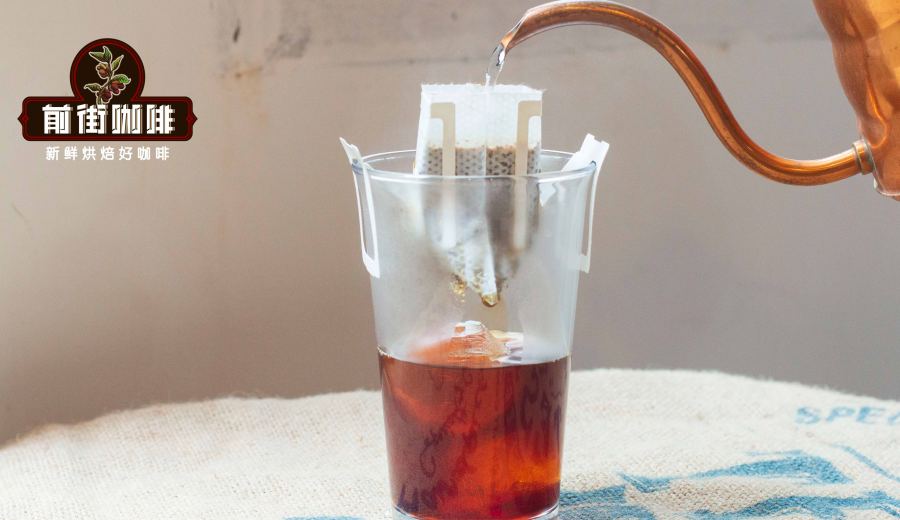
Introduction:Have you ever experienced slow dripping, water retention, or even complete blockage when brewing pour-over coffee using filter bags? This not only affects extraction efficiency but can also lead to subpar flavor. This article delves into the common causes of poor water flow in drip bags from four key aspects: filter material characteristics, pouring technique, grind size, and usage habits, while offering concrete solutions and practical tips. With these insights, you can brew smooth and well-balanced drip bag coffee at home with ease.
Drip bag coffee has become the go-to choice for many coffee enthusiasts due to its convenience. However, during actual use, users often encounter issues such as slow dripping or clogged filter bags. Even when following standard steps—tearing open the pouch, hanging it on the cup rim, pouring hot water, and waiting for the drip—you may find that hot water remains trapped on the upper layer of the filter for too long, leaving coffee grounds soaking at the bottom. This leads to uneven extraction and even an overly bitter, over-extracted taste. Faced with this situation, many users wonder whether they should stir to help the water flow or simply wait patiently for each drop.
In fact, the brewing principle of drip bag coffee is similar to that of pour-over: both rely on the filter medium to allow the coffee extract to drip slowly. A drip bag mainly consists of two parts: coffee grounds and the filter pouch. The pouch not only holds the coffee but also functions as both a filter cone and filter paper. Therefore, the key to smooth water flow lies in the resistance encountered by hot water as it passes through the filter material. To identify the root cause of slow dripping or blockage in your drip bag, consider analyzing the following common factors.
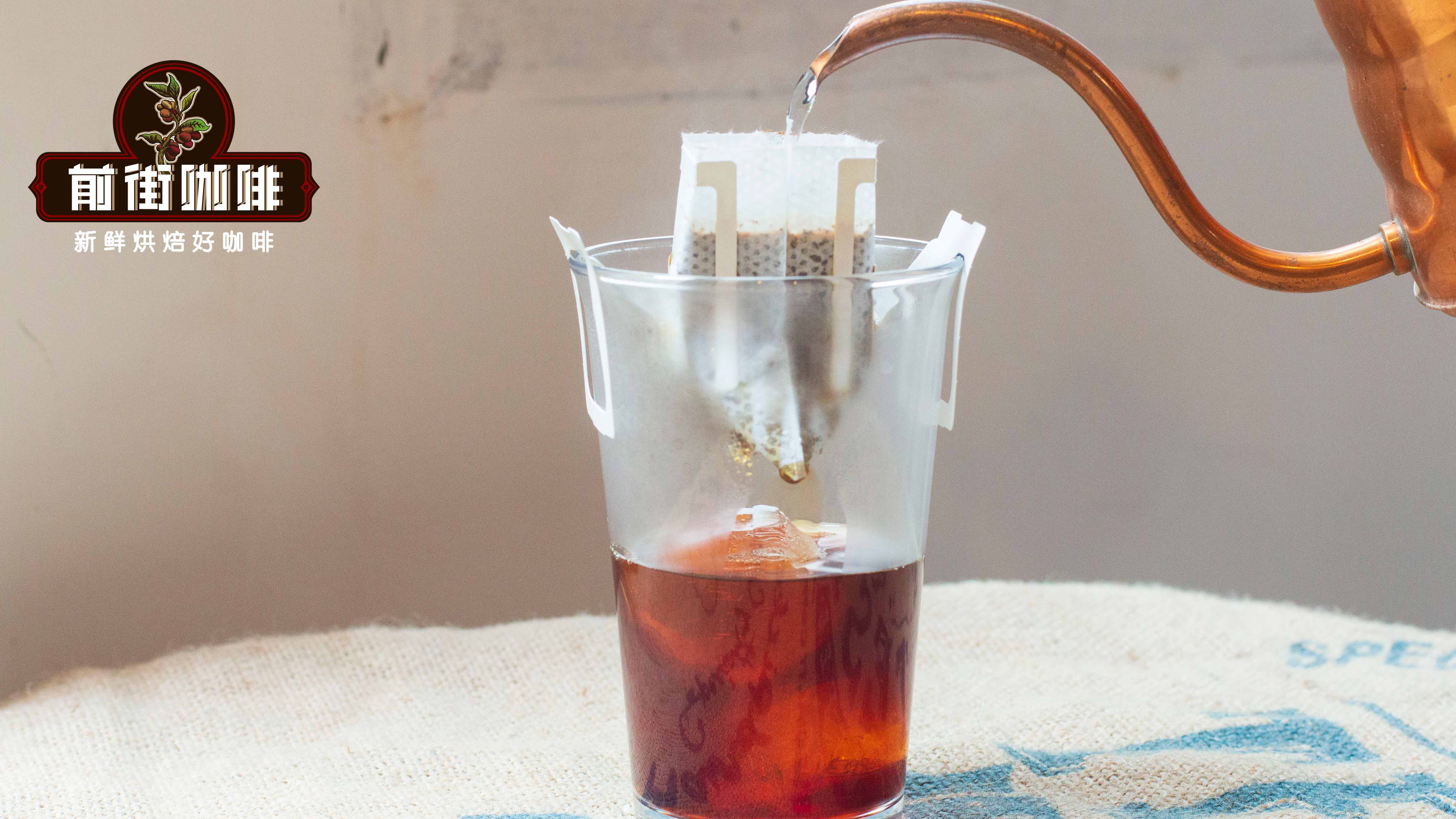
1. Filter Material and Dripping Speed
Most commercially available drip bag coffees use filter pouches made of non-woven fabric, which has a structure similar to metal filters. Typically, it consists of a coarser layer of non-woven fabric combined with a finer layer. While this design effectively filters out coffee grounds, compared to professional pour-over filter paper or metal filters, its pores are smaller, resulting in greater water flow resistance.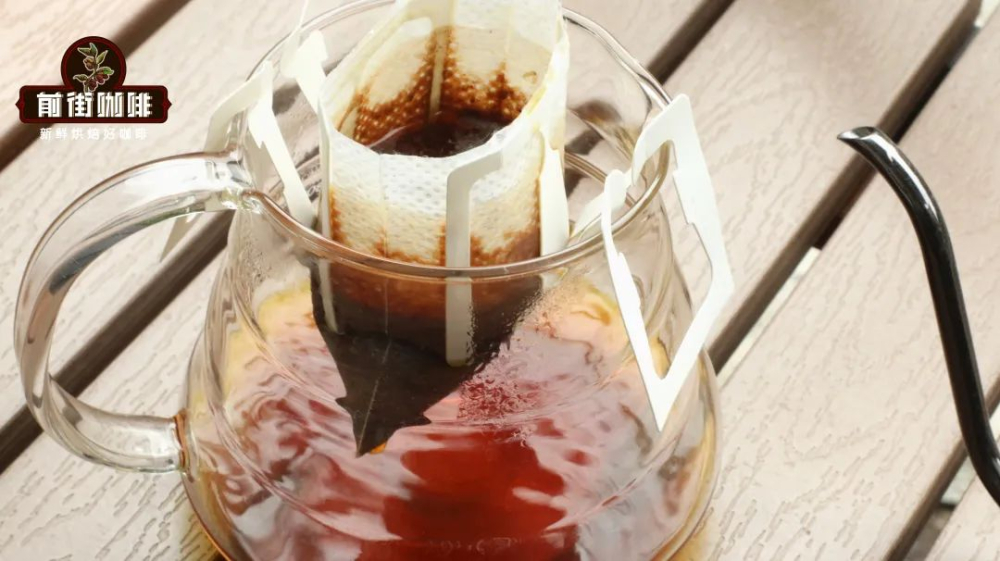 Practical test data has shown that under the same water volume (50 grams), the dripping time with regular filter paper is about 35 seconds, whereas a drip bag can take nearly two minutes to completely drain. This clearly shows that drip bag filters have significantly slower filtration speeds. However, this also allows for a longer steeping effect, which helps release more flavor.
2. Pouring Technique Affects Dripping Efficiency
In practice, the way you pour water greatly influences the internal liquid flow within the filter pouch. If the water level is too low during pouring, coffee grounds tend to accumulate at the bottom of the pouch. Due to gravity, most of the hot water will only slowly drip along the side guide corners of the pouch, slowing down the overall dripping speed. Additionally, many users like to mimic pour-over techniques by pouring in circles to ensure even extraction. However, if the final pour directly hits the body of the filter pouch, it may cause coffee grounds to settle at the bottom, leading to blockage and potentially an overly bitter, over-extracted taste.
3. Grind Size: Too Fine Can Easily Cause Blockage
Grind size is another major factor affecting dripping speed. Similar to pour-over coffee, the finer the coffee particles, the greater the resistance to water flow; conversely, coarser particles create less resistance and allow smoother dripping. If your brewed coffee grounds appear muddy, it’s almost certain that the grind is too fine. Generally, the ideal grind size for drip bags varies depending on roast level:For medium to light roasted drip bag coffee (such as Huakui, Yirgacheffe, or Geisha), a grind similar to superfine sugar is typically used to highlight fruity acidity and floral notes while avoiding blockage. For medium to dark roasted options (such as Mandheling, Brazil, or Blue Mountain No.1), a grind closer to coarse sugar is preferred to steadily release nutty and caramel flavors while maintaining smooth flow.
4. Avoid Excessively Shaking the Filter Pouch
Many people have the habit of shaking the filter pouch before opening it to ensure the coffee grounds are evenly distributed. However, this action may cause fine particles to settle at the bottom. Just as excessive tapping of the filter cone during pour-over can lead to fine particle accumulation, shaking a drip bag too vigorously can also increase the risk of bottom blockage. It’s recommended to gently shake the pouch after removing it to flatten the powder, avoiding high-frequency shaking.
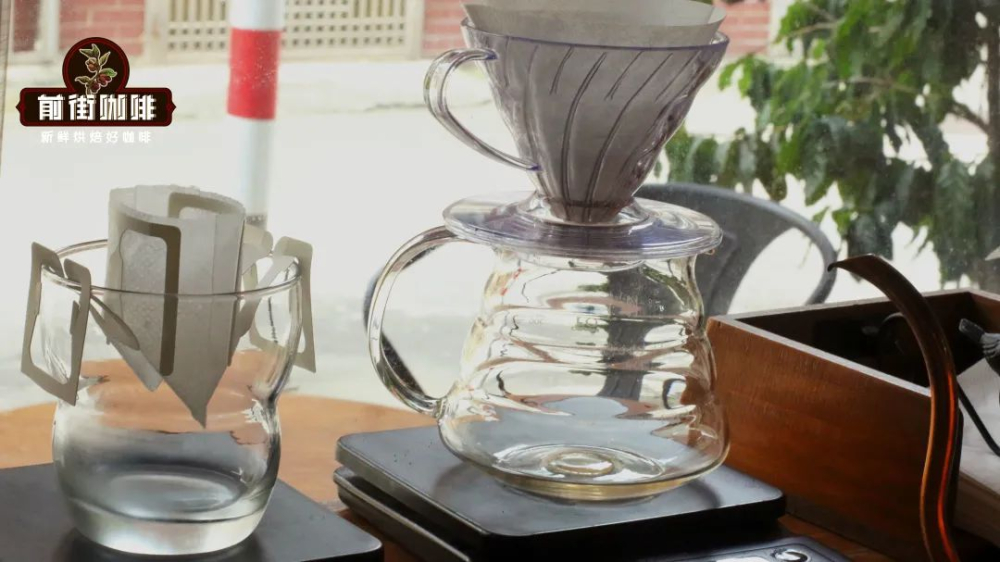
How to Improve Slow Dripping in Drip Bag Coffee? Practical Tips Shared
To address issues with slow dripping, first avoid shaking the filter pouch forcefully when opening the pack. Instead, tear along the perforation, gently shake to distribute the coffee grounds evenly, then unfold the pouch and hang it on the cup rim. If you frequently experience late-stage blockage, muddy coffee grounds, and dull flavors, it may be that the grind size of that particular brand is set too fine. In such cases, consider providing feedback to the supplier and requesting an adjustment to the grind coarseness.
When it comes to pouring technique, since drip bags don’t have as much space as pour-over cones for coffee grounds to move freely, it’s recommended to use a high water flow rate and pour in multiple center-focused or small circular motions. Gradually raise the water level to nearly nine-tenths full. This not only ensures even extraction of the coffee grounds but also creates more gaps for the extract to drip smoothly, preventing over-extraction caused by prolonged soaking. Combining these techniques can significantly improve the flow and flavor performance of your home-brewed drip bag coffee.
The above content is compiled by CoffeeHunters, a coffee news website.


