








Introduction:The allure of a Dirty coffee lies in its striking visual and flavor contrast created by distinct layering. By mastering the intensity of the espresso, the choice of milk, and the timing of preparation, you can easily craft a beverage with clear layers that delivers an intense-to-smooth experience in every sip. This article will delve into the principles behind layering, highlight common pitfalls, and offer practical tips to help you consistently make professional-grade Dirty coffee.
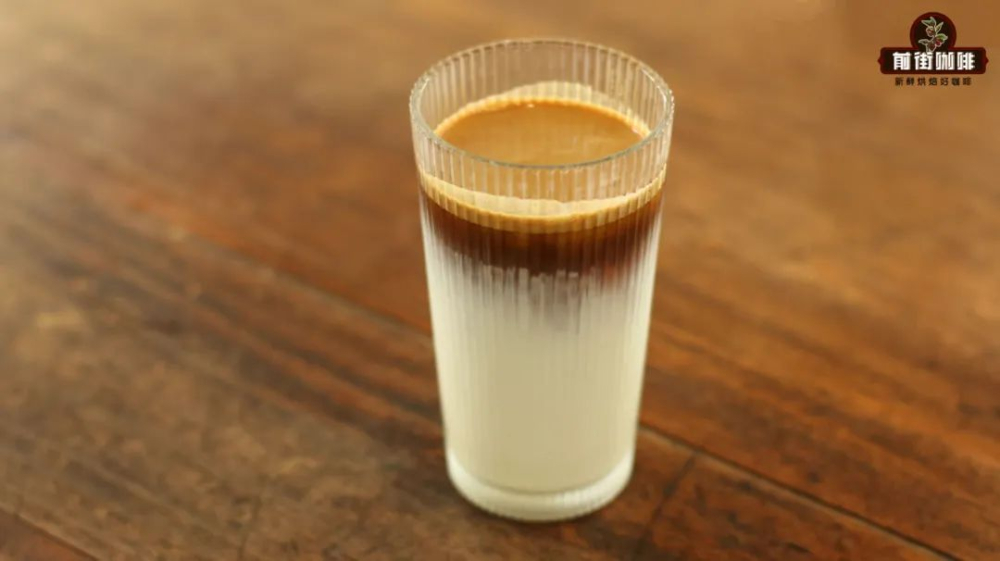
What makes Dirty coffee most captivating is its vivid visual and textural contrast between layers. When espresso and cold milk are kept in stable layers, each sip transitions from the boldness of dark roast to the smoothness of milk — this layered sensation is the very soul of a Dirty. If the layers fail to separate, the drink becomes just another ordinary iced latte, losing its unique charm.
To achieve the ideal layering effect, the key lies in ensuring the lower liquid has a higher density than the upper layer. This density difference allows the two to naturally separate, forming a clear boundary. However, in practice, many factors can interfere with the layering, which require special attention.
The choice and concentration of the coffee liquid are crucial.Many coffee enthusiasts who lack professional equipment at home opt to use coffee made with a moka pot to try making Dirty. However, the coffee extracted via a moka pot differs significantly in both concentration and density compared to espresso produced by a professional espresso machine. This makes it unsuitable as the base for a Dirty.

A true Dirty coffee should use high-concentration espresso as its base. Such coffee is typically extracted under 9Bar pressure, featuring a higher crema content and intense concentrated flavors, which effectively contrast with the milk. If you don’t have a professional coffee machine at home, consider using a high-pressure manual espresso tool, or adjust grind size and extraction time to increase the coffee’s concentration.
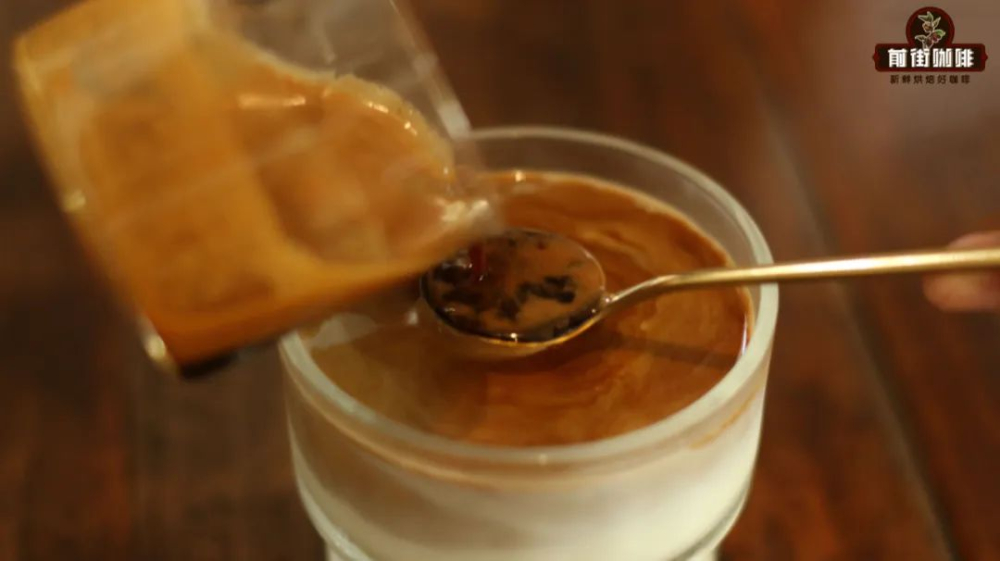
Additionally,the temperature of the coffee and the speed of pouring also affect the layering.Overly hot coffee or pouring too quickly can cause the milk and coffee to mix, disrupting the intended layered structure. It’s recommended to pour the espresso at a low angle, with a thin stream, and along the inner wall of the cup slowly, which helps maintain clear layering.

Another commonly overlooked factor is the choice of milk.Iced Boosted milk, with its high protein and fat content, has become a popular pairing for Dirty coffee in recent years.This specially treated milk not only offers a richer taste but also maintains better stability in cold drinks, making it less likely to blend quickly with the coffee. If Iced Boosted milk isn’t available, it’s recommended to use full-fat chilled fresh milk and ensure it remains at a sufficiently low temperature before use.
When making Dirty coffee, pre-chilling the glass is also a small trick that enhances layering stability. Placing the glass in the refrigerator beforehand reduces heat transfer and slows down the mixing of coffee and milk. Adding an appropriate amount of ice cubes further extends the time the layers remain distinct, ensuring the entire drink showcases clear separation from start to finish.

Additionally,the ratio of coffee to milk also affects overall taste and the appearance of the layers.A general recommendation is a 1:3 or 1:4 ratio (espresso:milk), which can be slightly adjusted based on personal preference. Too much coffee can make the layering less obvious and result in an overly intense overall flavor, diminishing the enjoyment of the flavor transition between layers.
In summary, to create a stunning Dirty coffee, every step — from choosing the right coffee liquid and milk, to controlling temperature, pouring technique, and ratio — influences the final outcome. Master these key details, and you’ll be able to reliably replicate café-quality Dirty coffee at home, enjoying a satisfying experience that pleases both the eyes and the palate.
The above content is compiled by CoffeeHunters, a coffee news website.


